
Spain and Portugal in 2 weeks
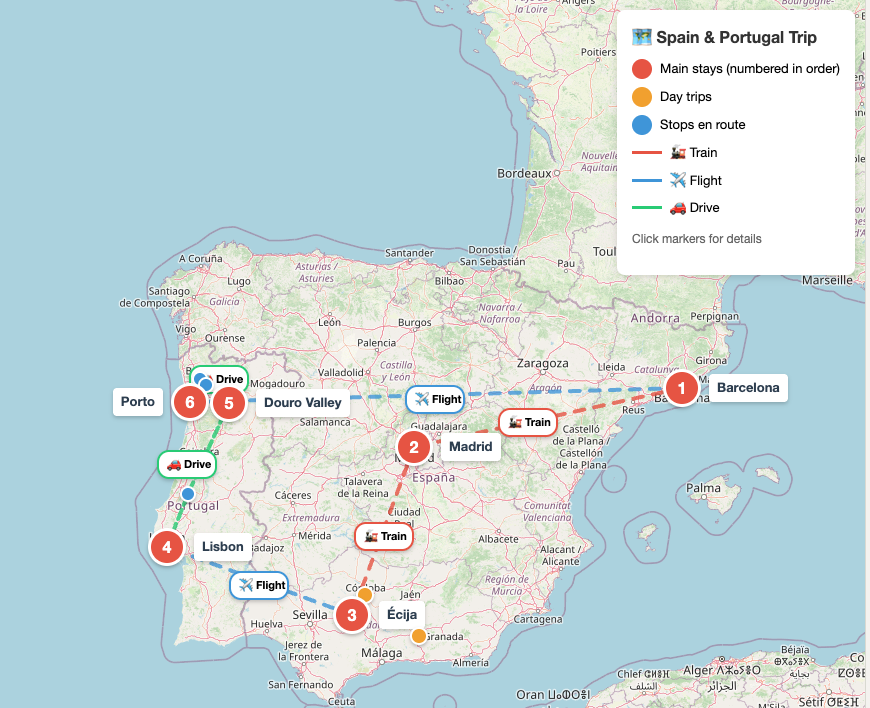
Planning a 2‑week Spain and Portugal family trip? This Barcelona‑to‑Porto itinerary includes Barcelona, Madrid, Seville, Lisbon, Douro Valley, and Porto, plus what we loved most.
This Easter, my family and I went on an unforgettable trip to Spain and Portugal! It was an amazing adventure with castles, mountains and a mouthwatering cuisine. We were a family of 11 with our cousins (including a baby) and grandparents. Our trip around here took us from Northeast Spain in Barcelona and carried our way down to central Spain, Madrid, and finally all the way south to Seville, Granada and Cordoba. In Portugal, we visited Lisbon, Douro Valley and Porto. Let me tell you all about it!
Barcelona – 3 days; Explored Montseny forest, Gaudí’s Sagrada Familia and Casa Batlló, and took a cable car up to Montserrat for mountain views and a short hike.
Train to Madrid
Madrid – 2 days; Enjoyed Retiro Park, Plaza Mayor and Puerta del Sol, sampled bites at Mercado de San Miguel, and visited the Royal Palace and Real Madrid Stadium.
Train to Seville
Explore Seville / Grenada / Cordoba / base in Écija – 3 days; Visited María Luisa Park and Plaza de España, then did day trips to Granada’s Alhambra and Córdoba’s Mezquita, Roman bridge and historic old town.
Flight to Lisbon
Lisbon – 3 days; Saw the Sanctuary of Christ the King, Lisbon’s colourful old quarters and Praça do Comércio, rode historic trams, walked the Belém waterfront and explored Sintra’s Quinta da Regaleira and Initiation Well.
Drive to Douro Valley
Douro Valley – 2 days; Not the way stopped at Fátima, stayed in a vineyard house above the Douro River, joined a Port wine estate tour and drove to scenic viewpoints and dams along the valley.
Drive to Porto (via Guimarães & Braga)
Porto – 2 days; Climbed Guimarães castle and Braga’s Bom Jesus steps, then in Porto enjoyed tiled churches, São Bento station, Ribeira riverfront, Luís I Bridge, medieval walls and Freedom Day festivities.
Flight back to Barcelona
Overnight in Barcelona – 1 day before flying home to Singapore
Barcelona Adventures
Barcelona is one of the best places to visit in Spain. Our stay here took us through majestic mountains, exquisite plazas and magnificent Gothic artworks. It was a splendid three day journey through the streets of Barcelona.
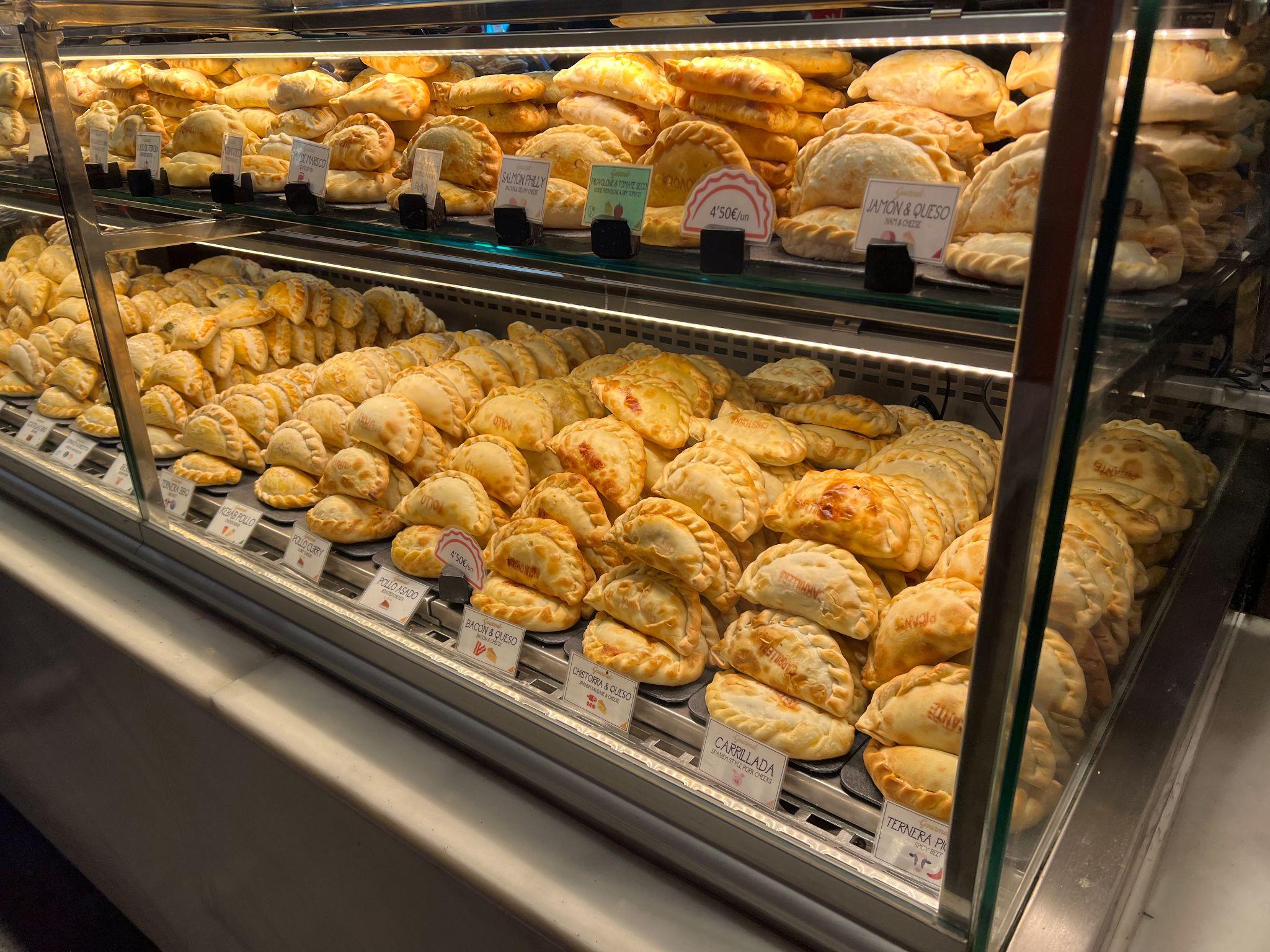
After a delicious lunch of empanadas, Spanish pastries filled with ham at the airport, we rented a giant Mercedes and drove to Montseny forest, a lush, beautiful forest with lovely scenery and plants. I could see trees in shades of green and yellow and majestic mountains in the background. We drove around the place to see what we could find but we couldn’t really find anything except photo stops which my sister and I found super boring. However, there are different trails and hikes you can take in the forest. On the way back, we ran into an angry dog who chased us away. I got the fright of my life!
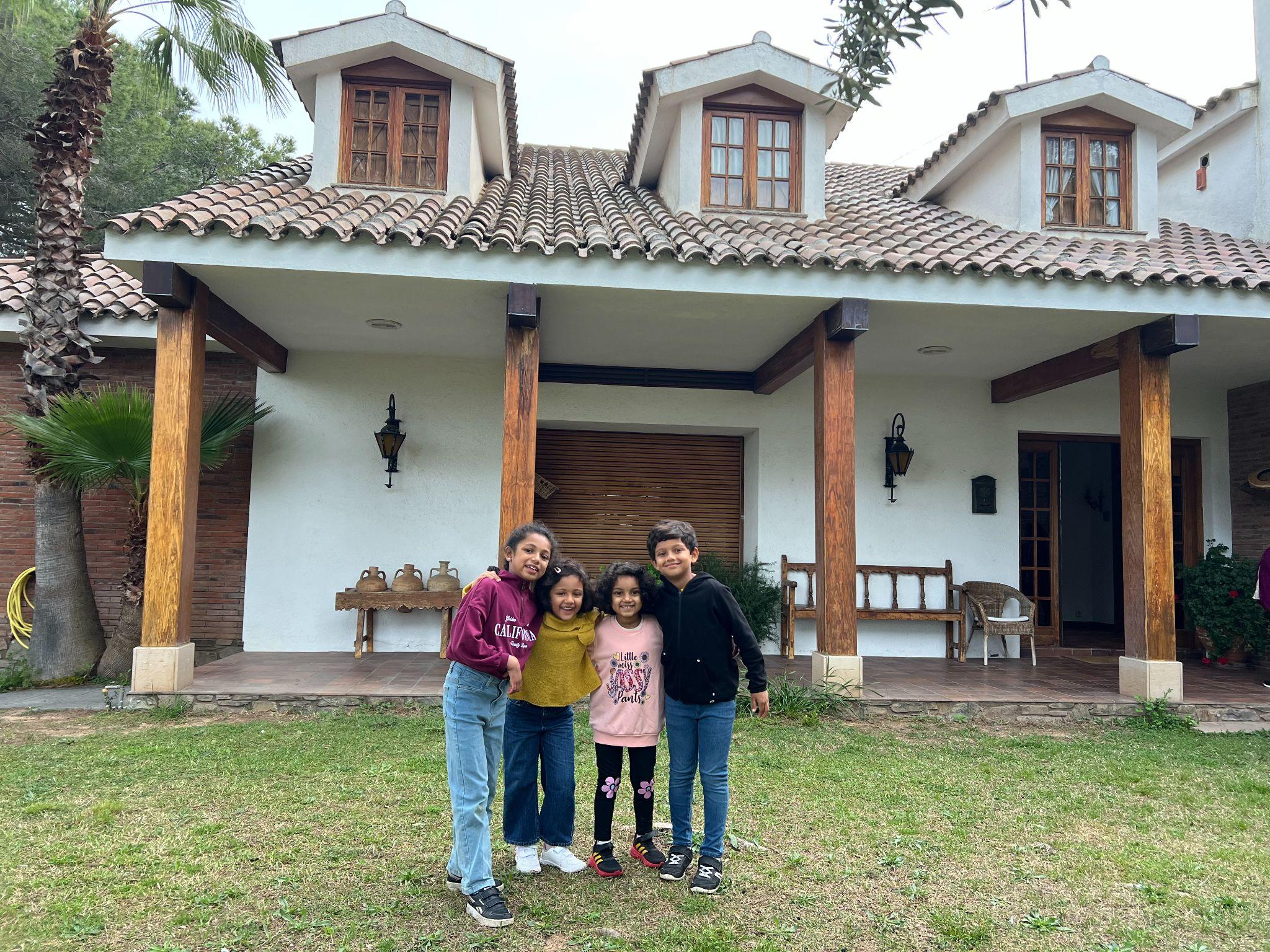
After half an hour's drive, we arrived at the place we were staying at. It was a traditional house with two floors, a barbecue and a large field outside where we could play anything we wanted. My cousins and I played tag, hide and seek and even held a performance for the adults. For dinner, the adults bought meat from the supermarket and we grilled it on the barbecue. The living room was giant and there were multiple rooms around the house. However, my cousins and I slept together in one room so we spent at least an hour arguing about who should sleep next to each other!
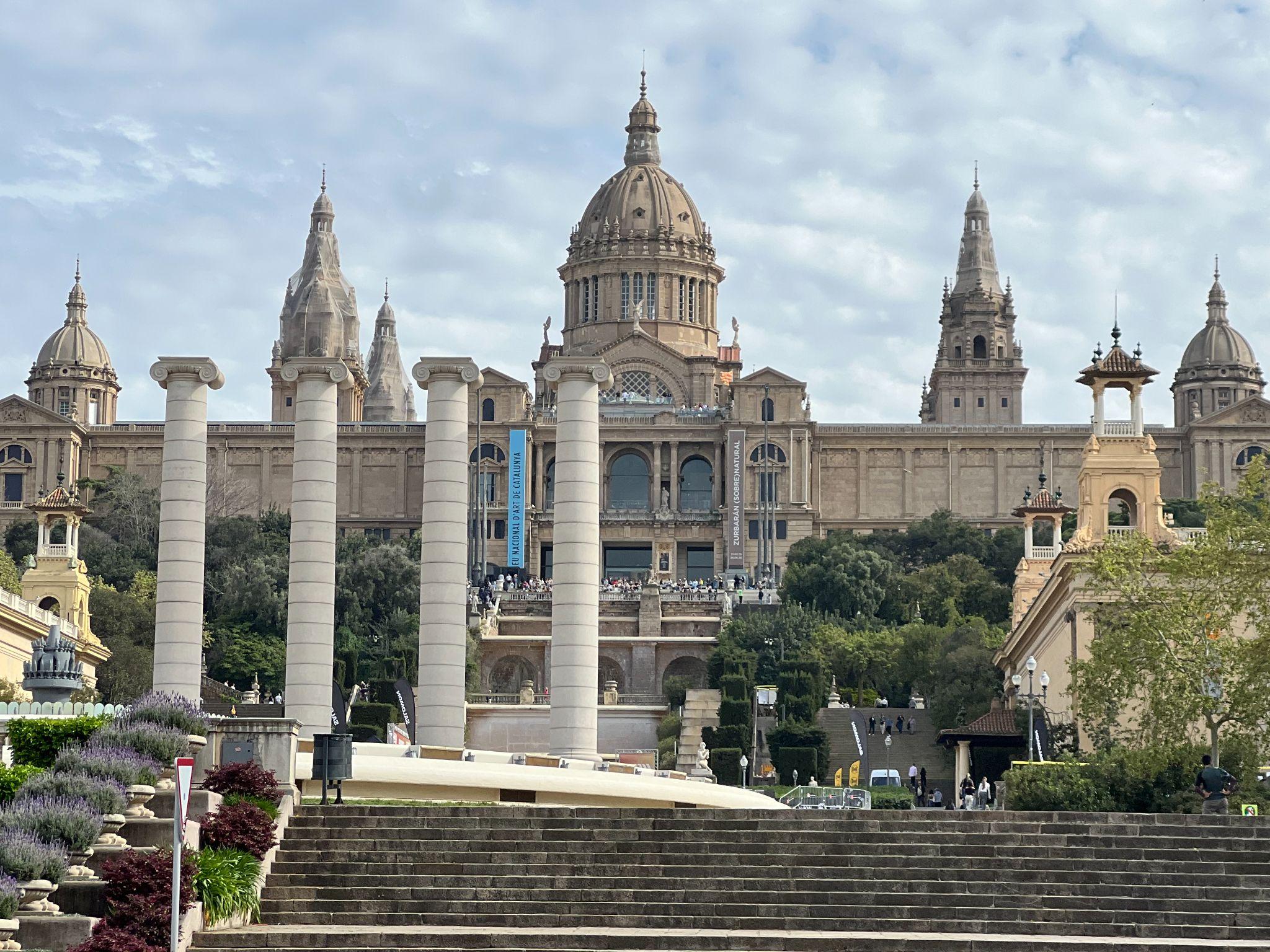
The next day would take us on a magic adventure around the streets of Barcelona.
We started at the Palau Nacional, which houses the National Art Museum of Catalonia. One of the highlights of visiting this place is the Magic Fountain of Montjuic, a fountain, displaying vibrant colours and synchronizing with music. It is something you can’t miss. However, unfortunately for us, the fountain was closed, due to a drought and was under maintenance, so we couldn’t see the show.
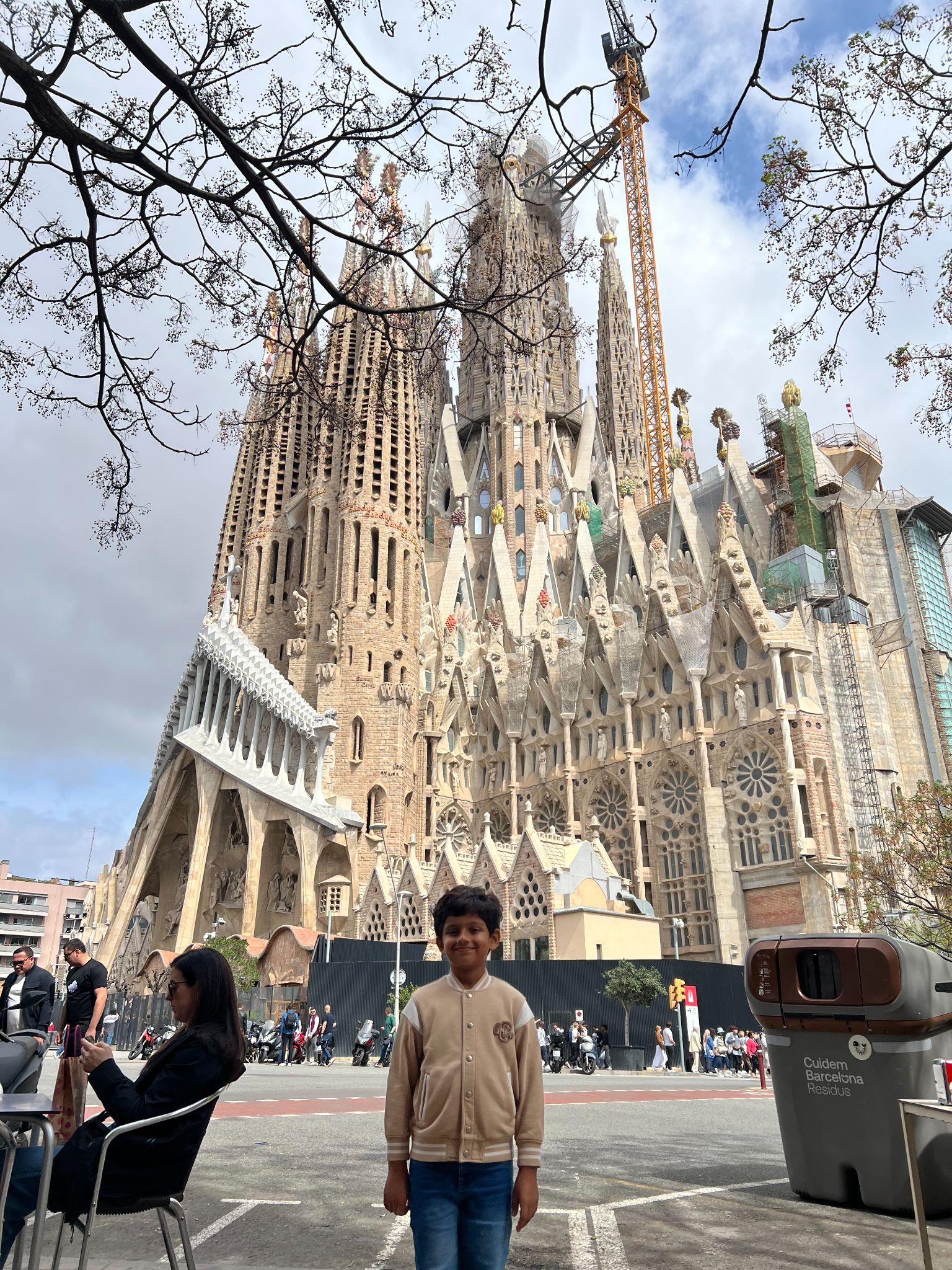
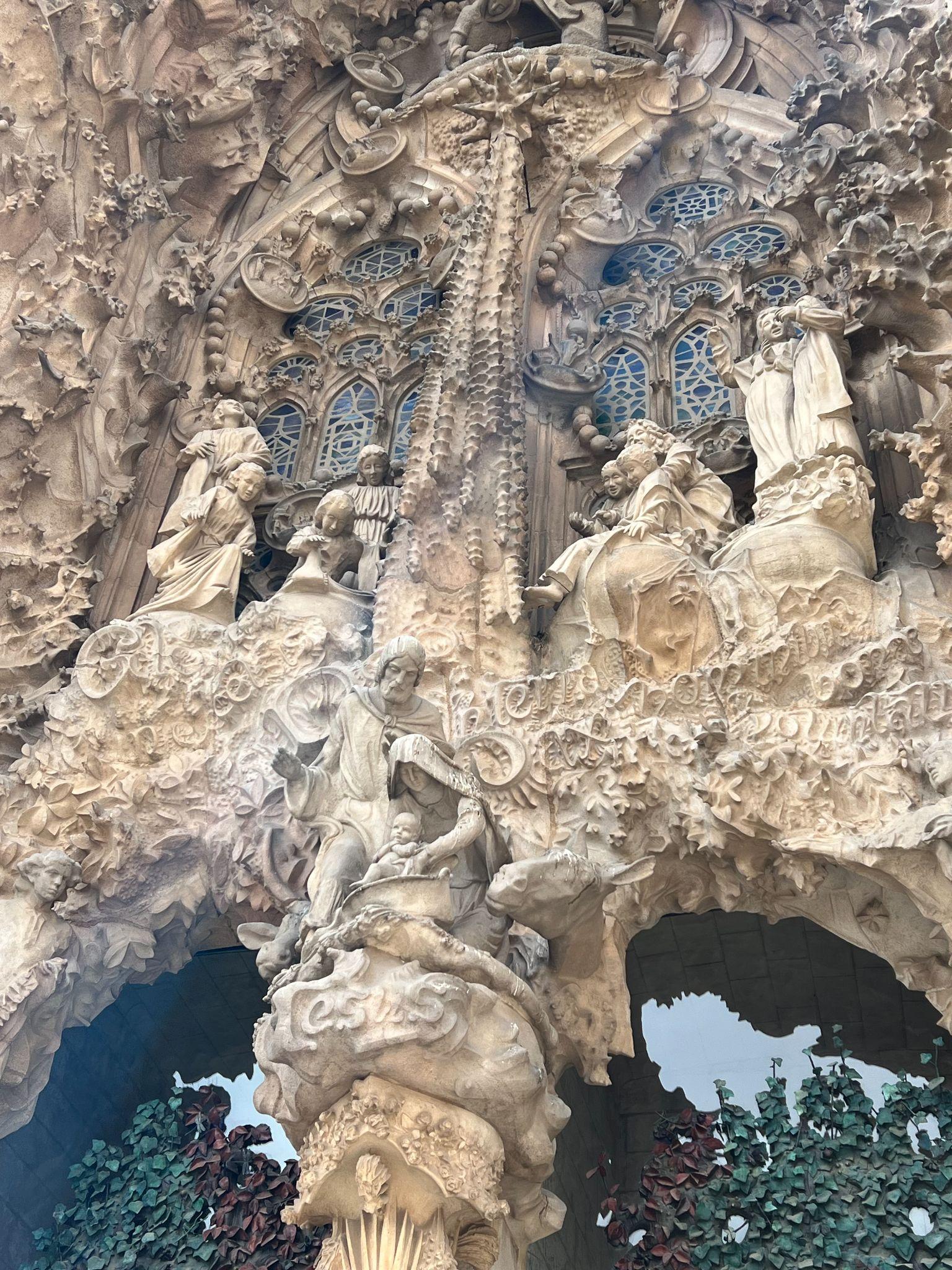
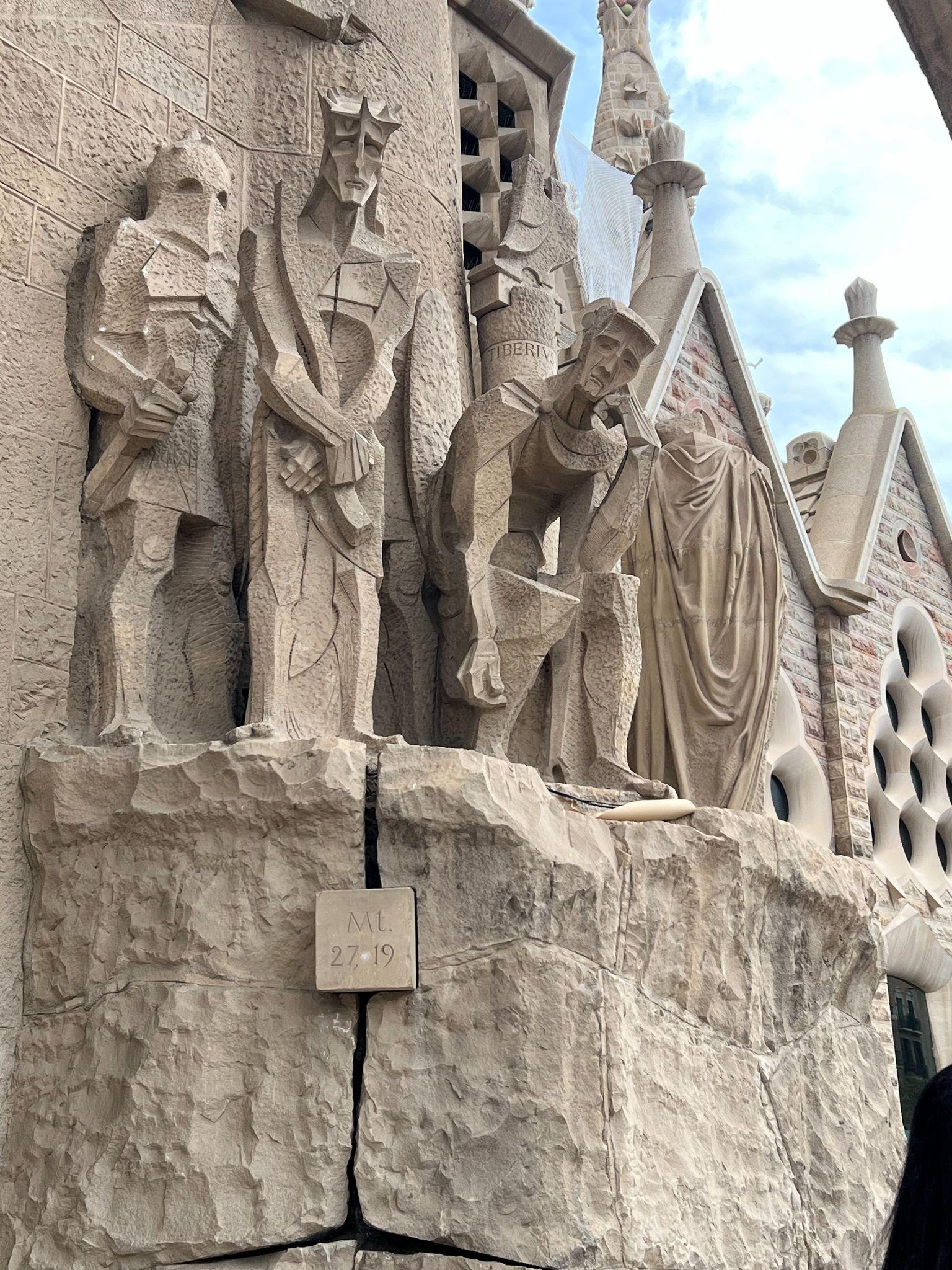
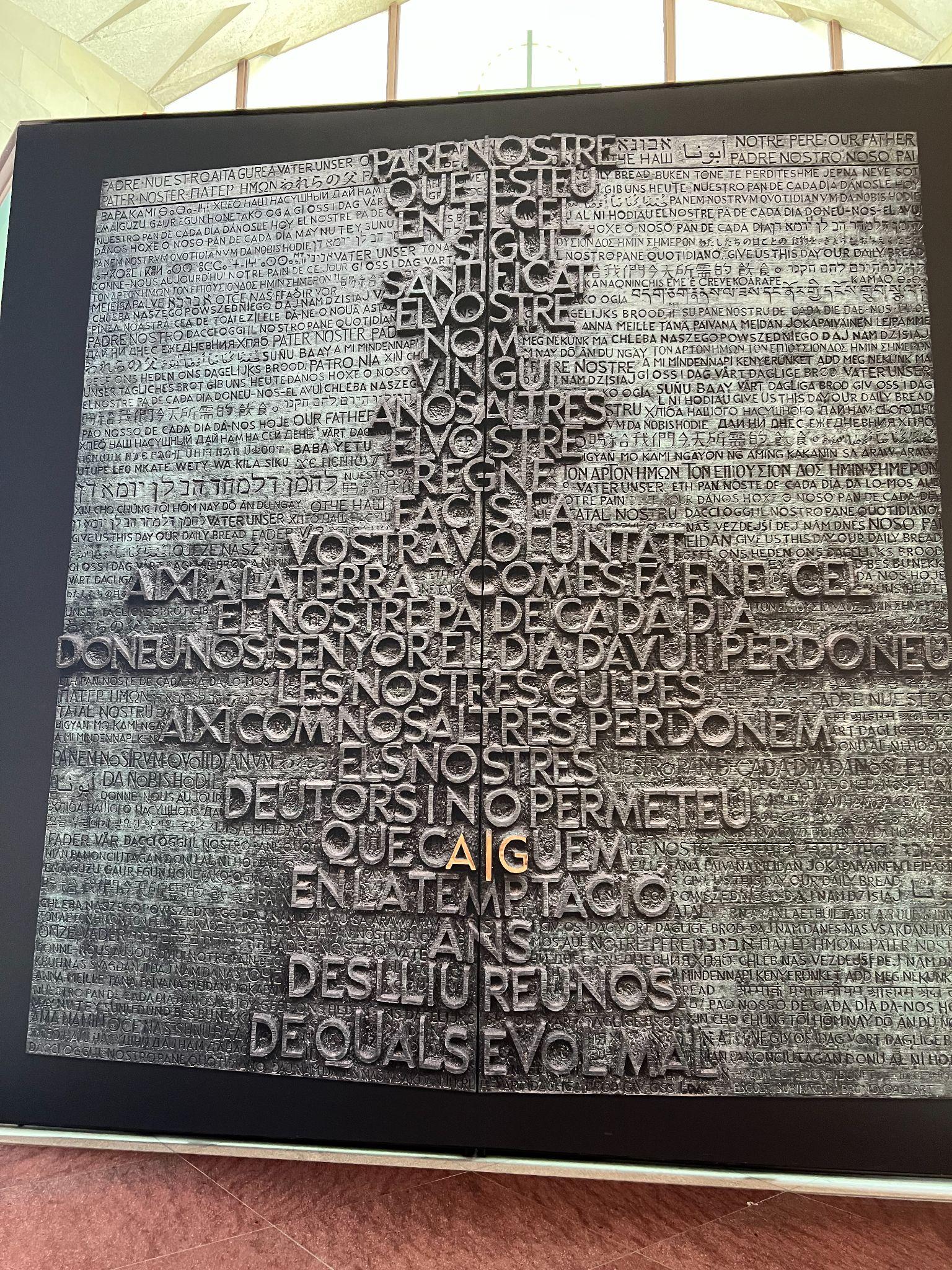
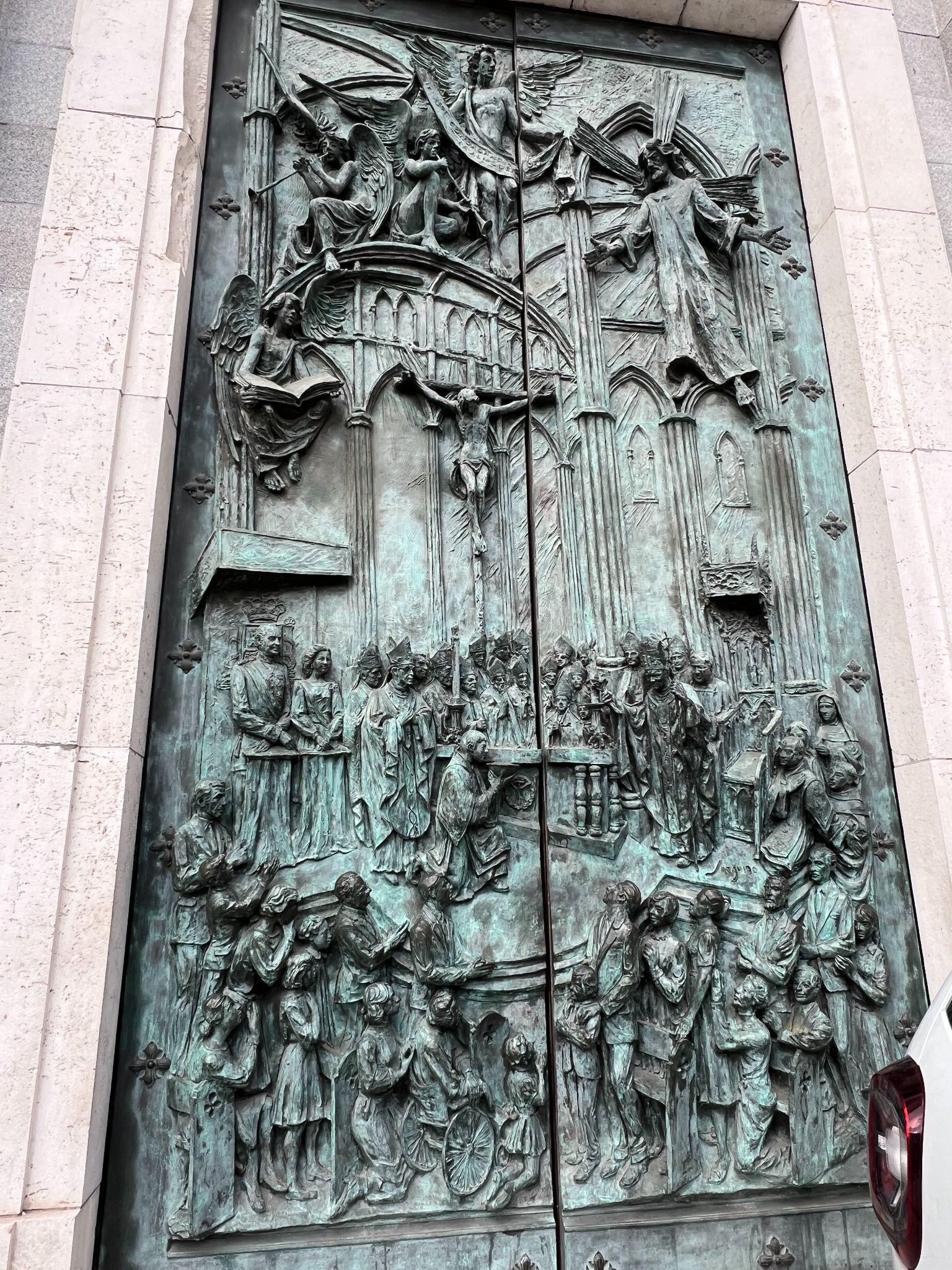
Instead, we took a stroll to the Sagrada Familia, a spectacular church, designed by the famous architect Antoni Gaudi. It has been under construction since 1882, and is still unfinished! This basilica has several towers, the tallest one, the Tower of Jesus Christ reaching 170m of height, making it the tallest church in the world! I couldn’t believe how tall it was, when I looked up to it, I felt like it was a giant. Inside the church, we saw many pillars and green glass paintings that are supposed to represent a forest. It looked so real, and I almost mistook it for a real forest. The statues and the entrance had intricate designs showing many scenes from the bible. I think that the Sagrada Familia is one of the most beautiful places I’ve visited so far.
We continued our journey down the streets of Barcelona passing stunning monuments, such as the one dedicated to Jacinta Verdaguer, a Spanish poet. It had a giant pillar in the middle. We also saw another of Gaudi’s pieces of work, the Casa Batló which is a multicoloured apartment with a weird wavy shape very much unlike other buildings of its time.
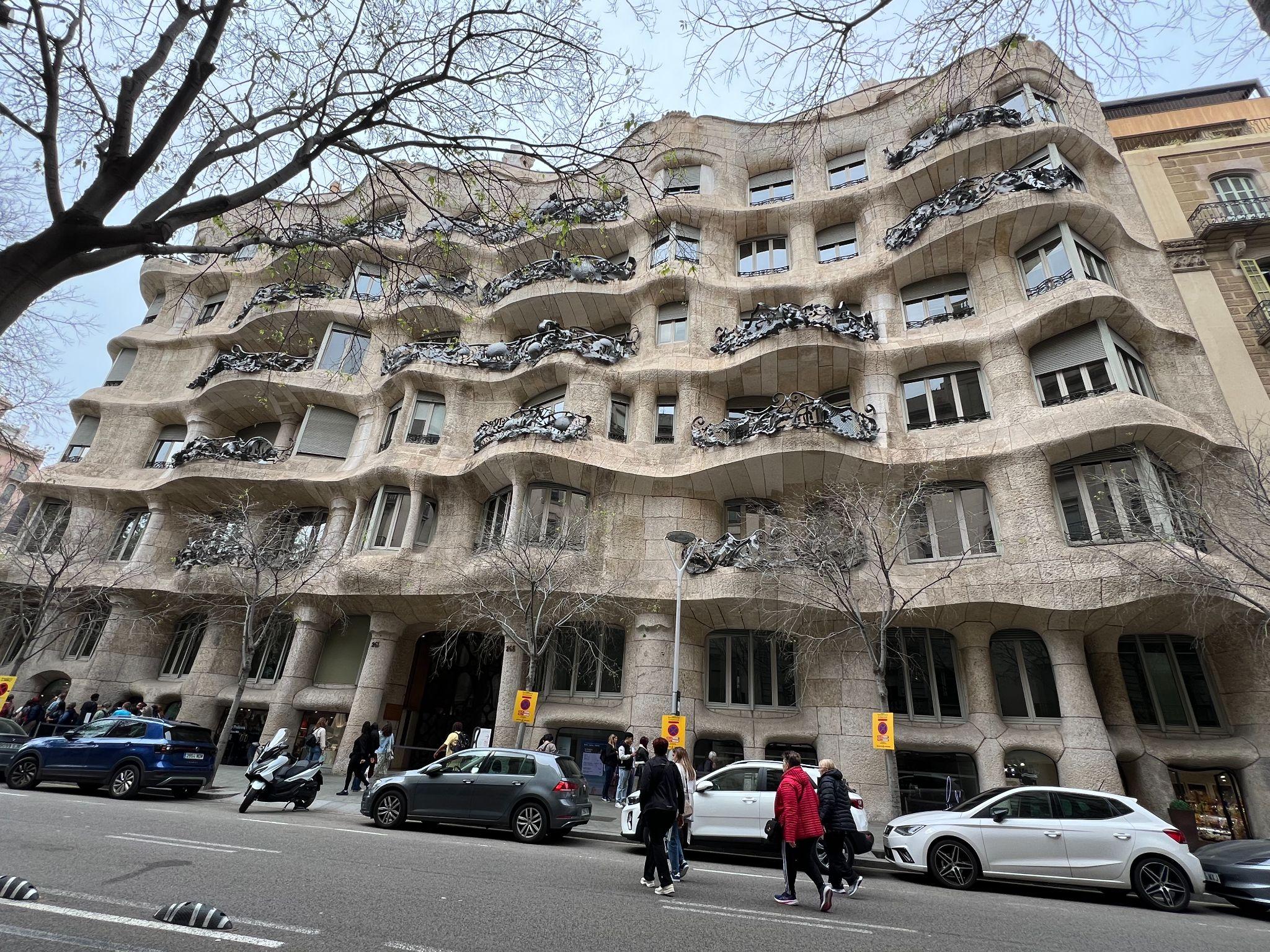
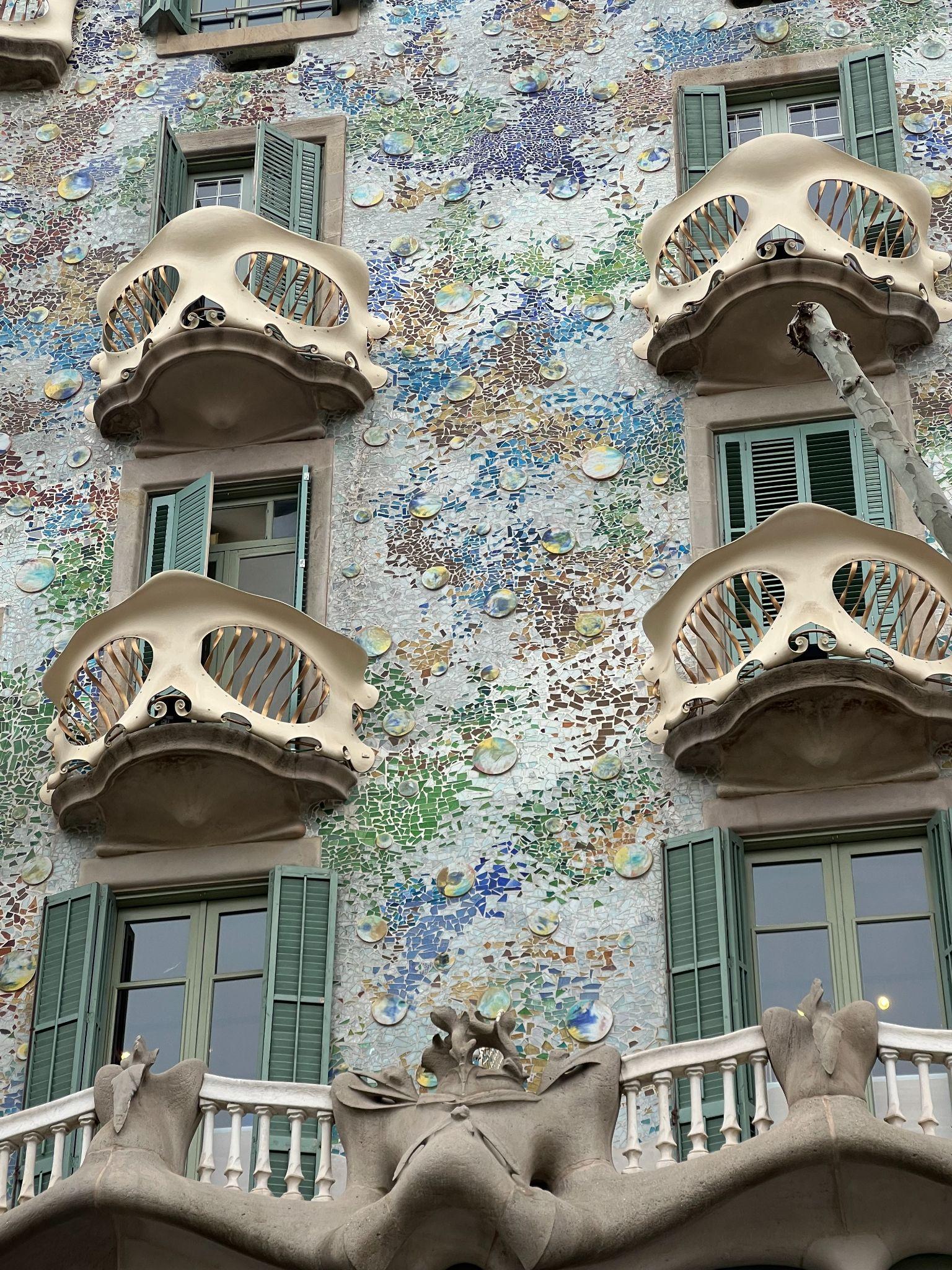
Soon we all got hungry so we stopped for a quick lunch of pizza. The baby threw a tantrum as she wanted to have a snack so after lunch, we each bought an ice cream. We all chose cookies and cream.
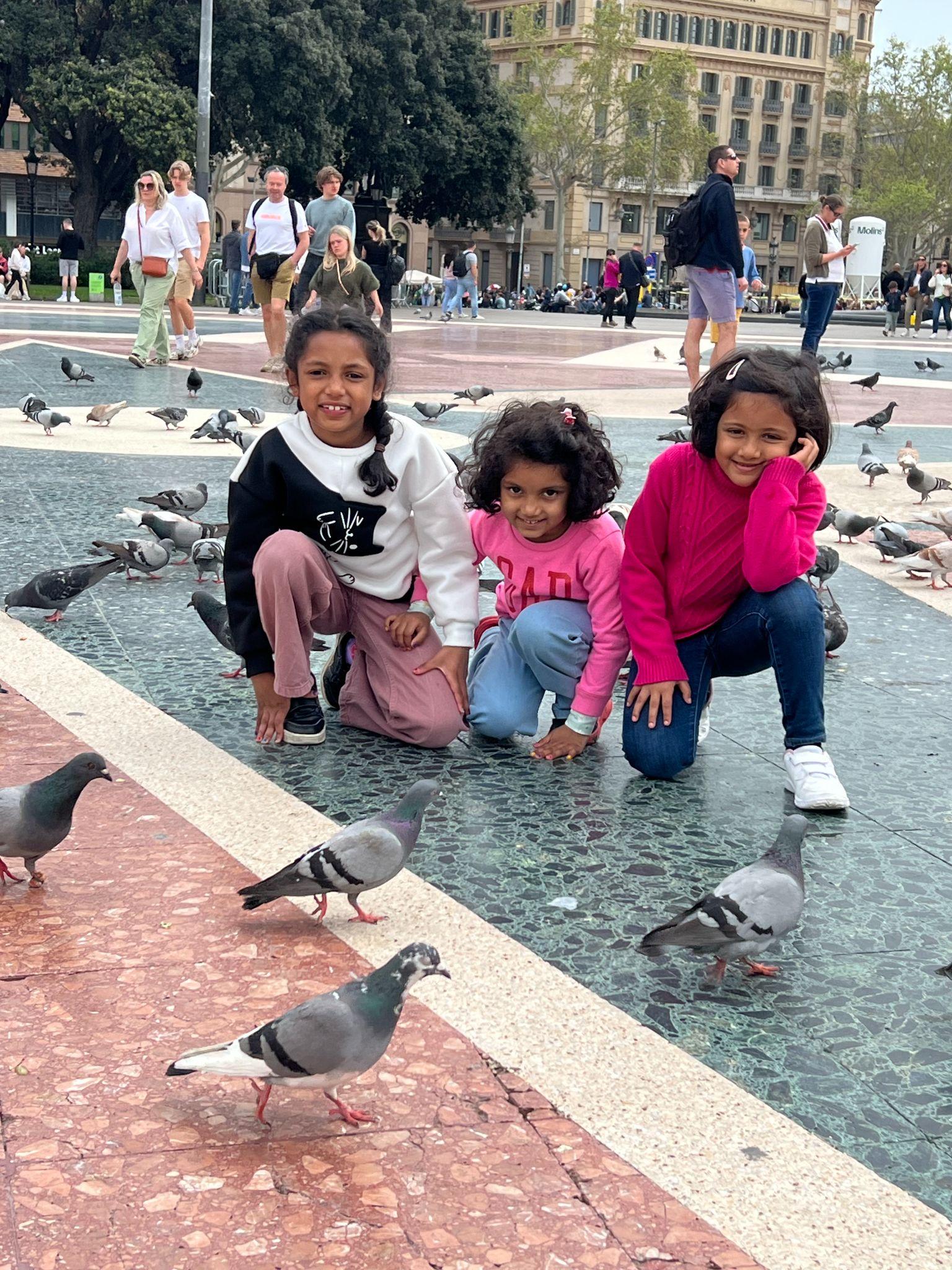
We finished at the Plaza de Espana. Plazas, in Spanish, are usually large free spaces surrounded by buildings, where meetings and gatherings are held. At this plaza, there was a large flock of pigeons running about. We tried to chase the pigeons and trap them but it was nearly impossible to outrun one. It was hilarious to see them run and squawk, though.
The next day, we took a day trip to Montserrat which is a small town on the mountain of Sant Jeroni. We took a large cable car to the top. The views from the cable car were fantastic showing the jagged edges of the tall rock formations. My cousins and I tried to see how many mountains we could find. In the distance, I could make out the long Pyrenees mountain range. We even crossed the clouds.
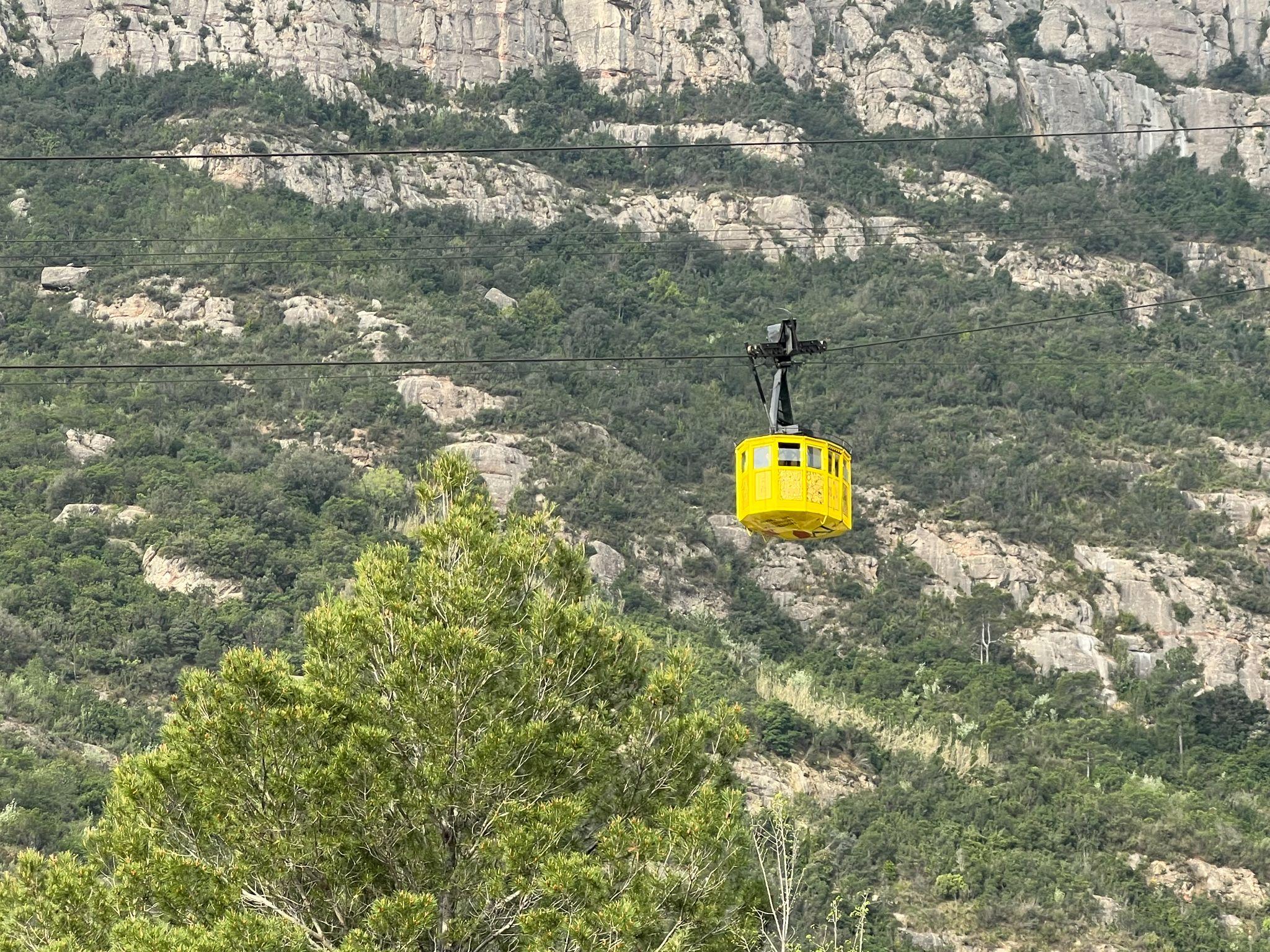
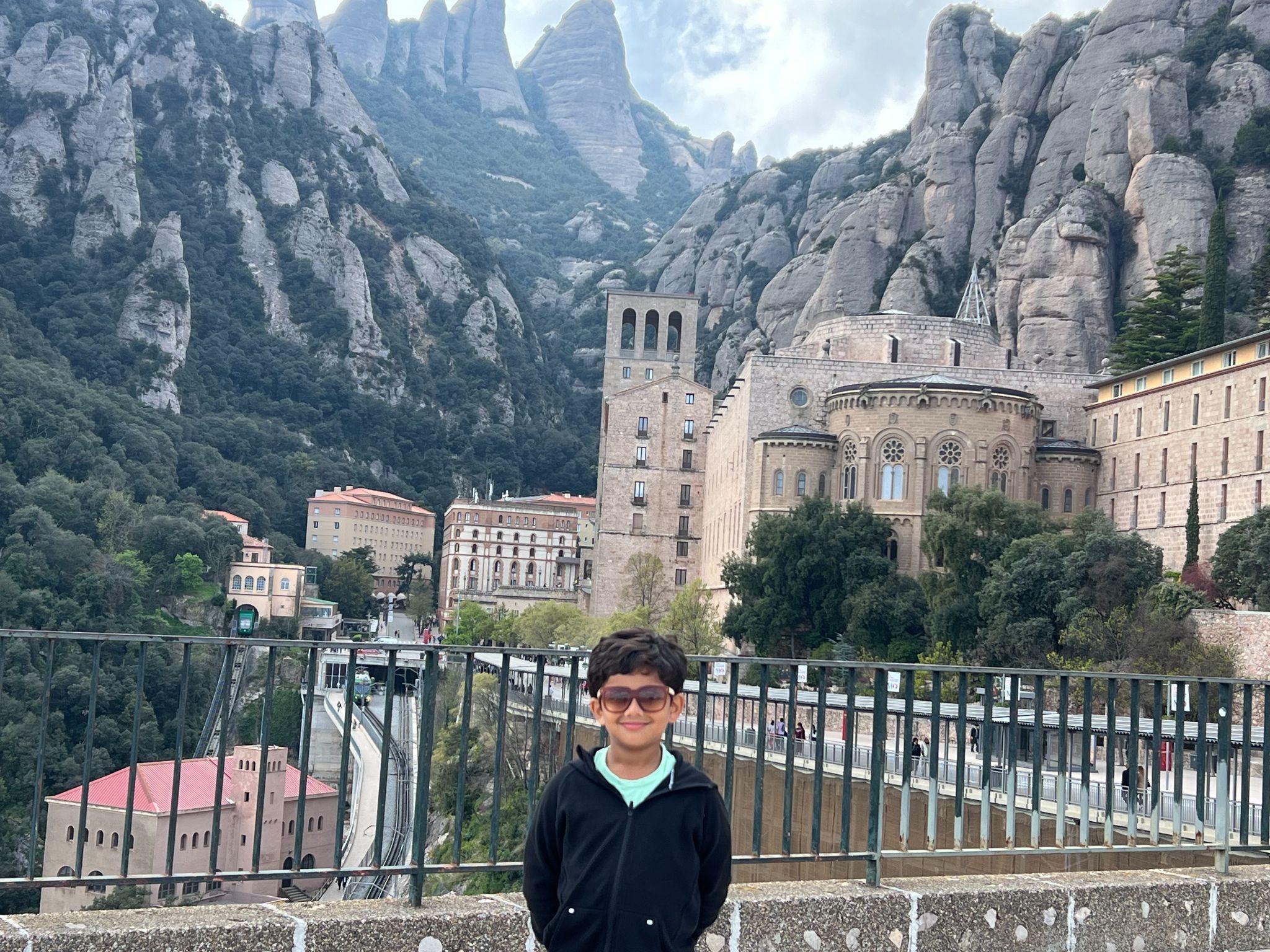
After we docked at the top of the mountain, we walked towards the church for Palm Sunday mass. We entered the basilica (which has separate tickets) but, unfortunately, we couldn’t see the Black Madonna statue as that would also need its own tickets. The Black Madonna is a wooden statue that shows an image of the Virgin Mary. Black Madonna statues are known to be miracles, offering people healing and guidance.
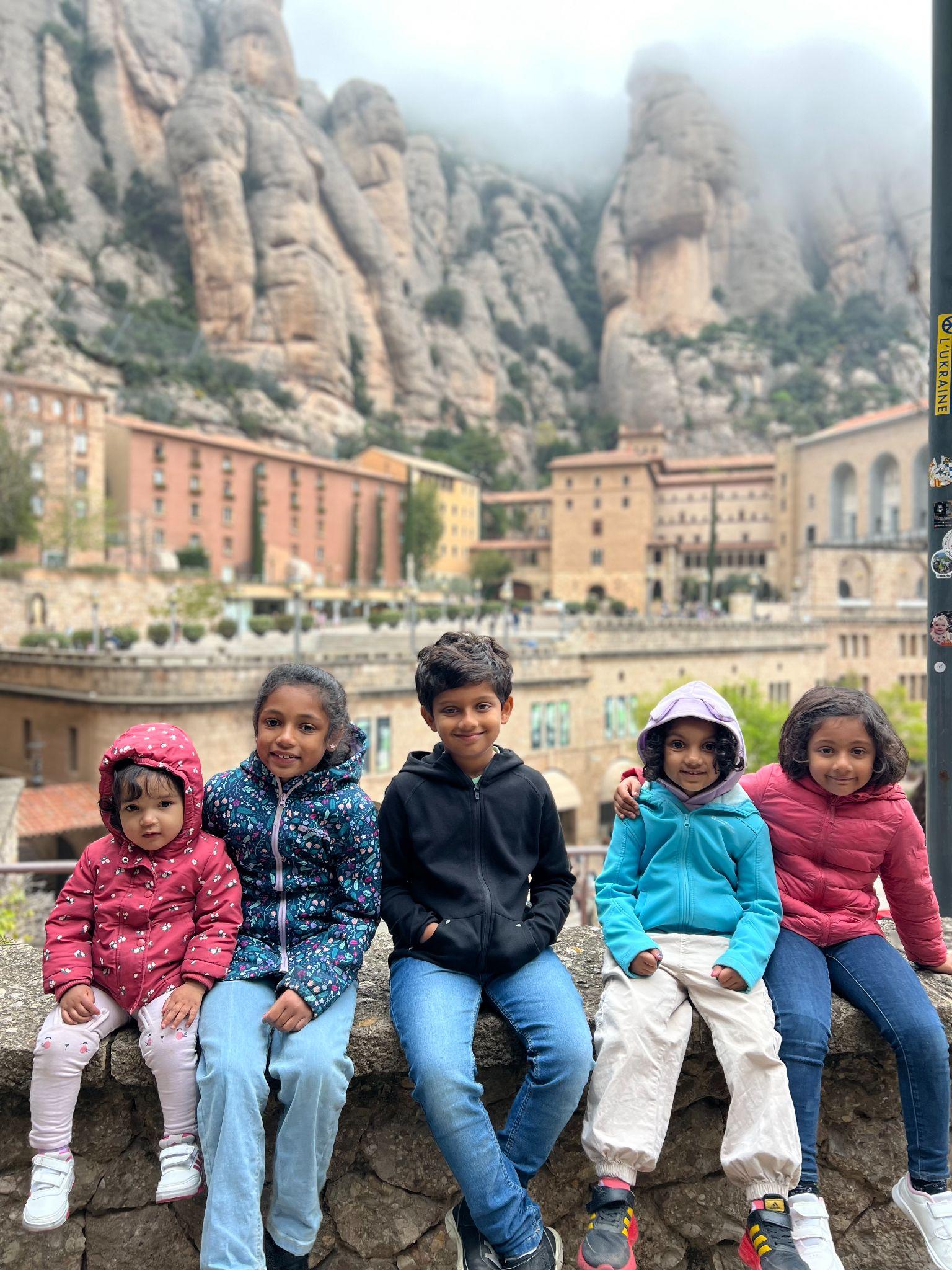
We continued our adventure around the town to see what we could find. We took the Sant Joan Funicular to a hermitage to see what we could find higher up the mountain. We couldn’t use the pram after reaching the top as the path was uneven, so my uncle had to carry the baby. Even after reaching the hermitage, the path continued till a point where there were only rocks in front of us. As all of my siblings were tired, my uncle and I decided to hike to the top of the mountain (much to my sister’s protests).
We had to climb the rocks upwards and make our own paths and I found it really exciting. Some rocks were kind of slippery so we needed to be careful though. At one point, I felt like I was almost going to fall. After a while, we finally reached the peak and I put my foot on the highest point of the mountain with pride. The views weren’t that clear, however, I felt this was an experience that I would never forget.
The beautiful Sagrada Familia, the high peaks of Sant Joan and the lush valleys of Montseny, our trip in Barcelona was a vibrant and scenic and unforgettable journey.
Warning: You need to be cautious while walking around the city. There are many pickpockets in the city that will try to distract you and then steal your things so keep your bags with you when walking down the streets
Madrid Magic
The next day, we boarded the train for a three hour journey to Madrid. Throughout the ride, my cousins and I played UNO and told jokes. I didn’t know that three hours could go so quickly, but there we were, in Madrid. When we got outside, the temperature was freezing so we zipped our jackets and booked a cab to our house, which happened to be in the heart of the city.
It looked small but had a lot of rooms inside and was conveniently situated close to some of the places we needed to visit.
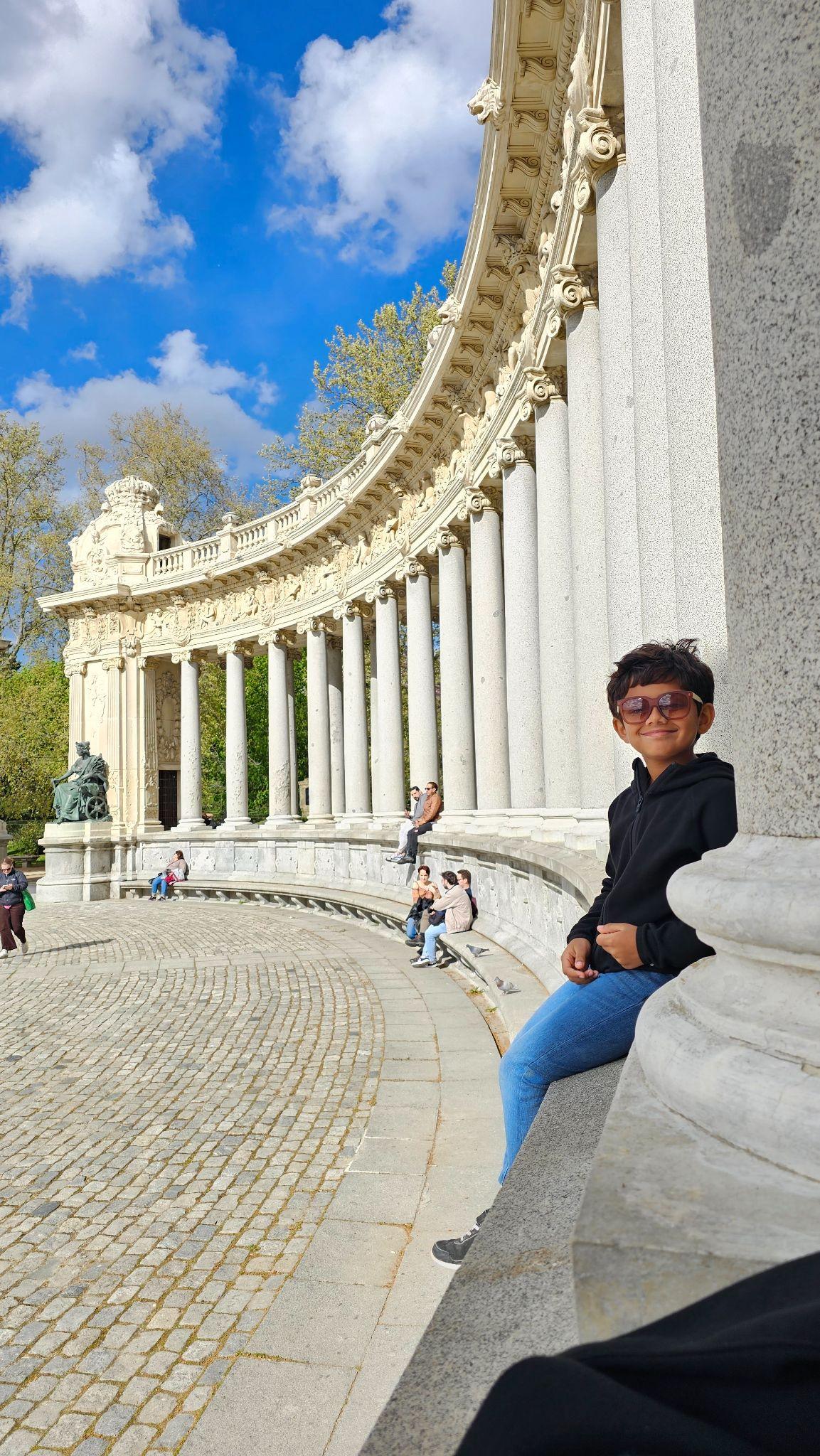
Our first stop in the city was Retiro Park, one of the biggest parks in Spain. Inside the park, it felt like I was in a storybook. There were squirrels jumping around, bright flowers in gardens, and a crystal palace made of glass. There was also a giant lake and I spotted a black swan swimming inside. While my cousins were doing cartwheels on the grass, I climbed up a huge tree!
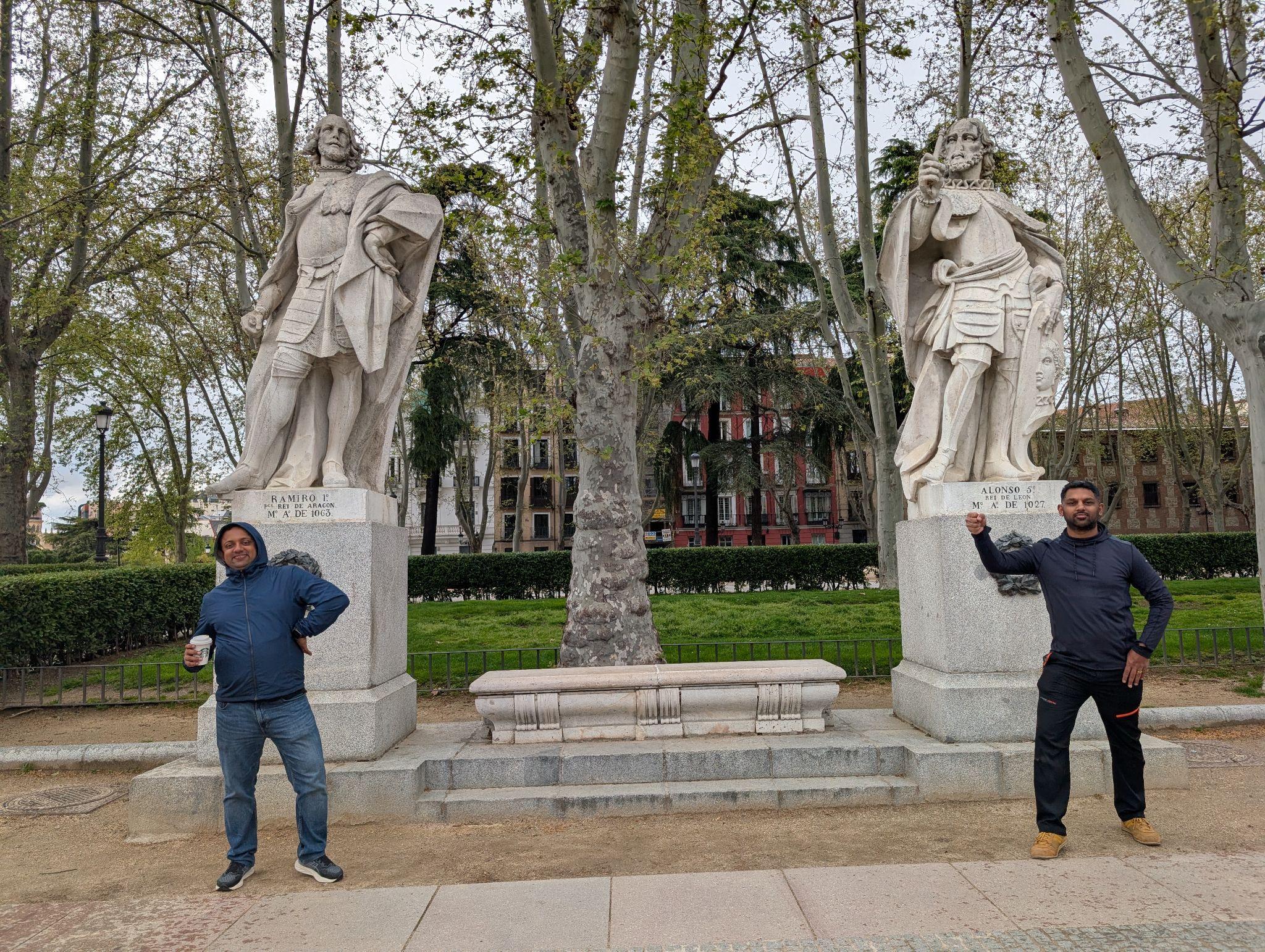
Some of the other places we visited in the park were the Monument to Alfonso XI and the Puerta de Alcalá. My cousin, Eva got lost at the monument and none of us could find her. We had a moment of panic but it turned out she had only gone a little ahead of us. At the Puerta de Alcalá (gates of Retiro Park), my dad and my uncle tried to pose like the statues of famous Spanish kings. They looked hilarious!
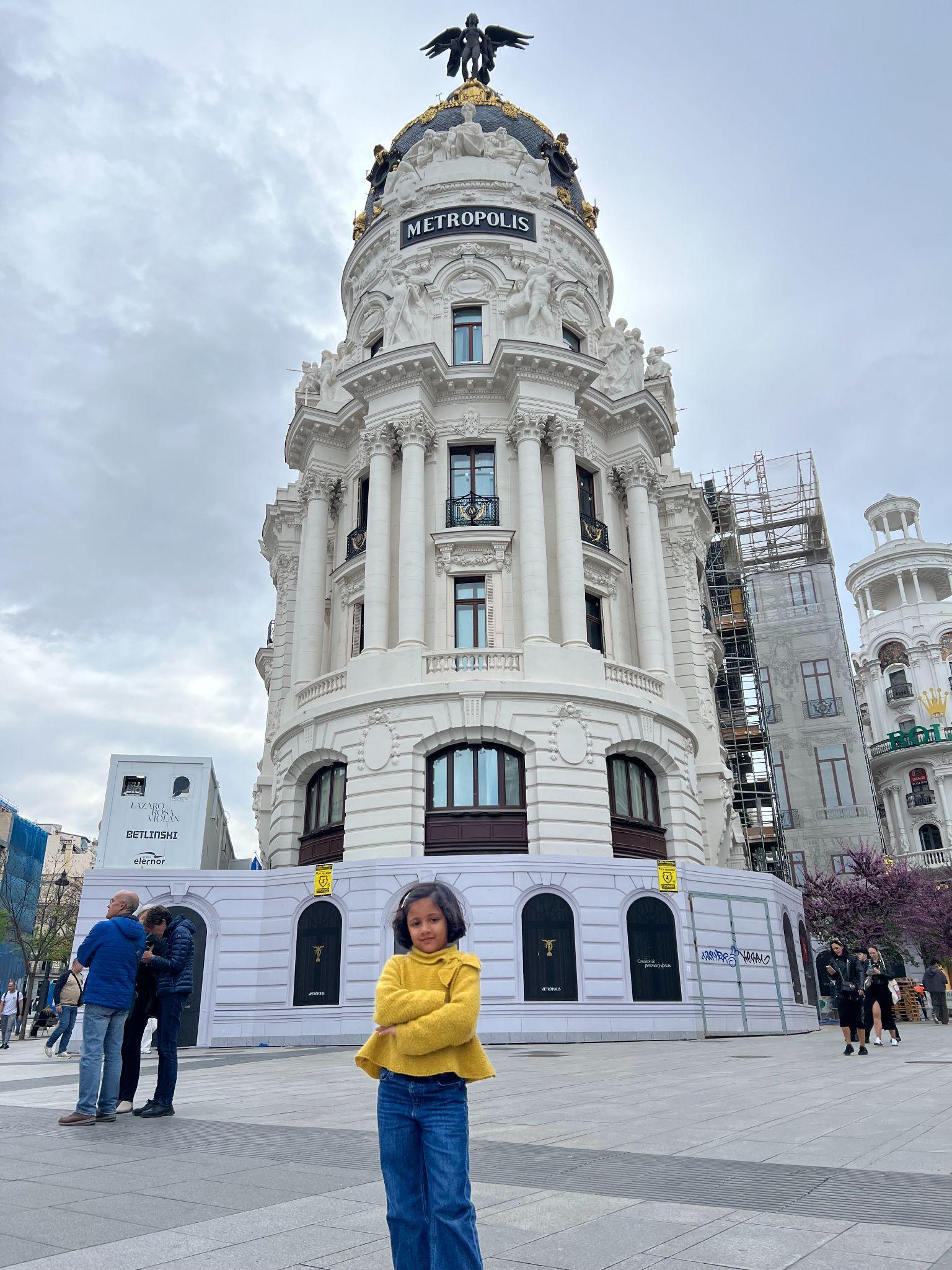
After exiting the park, we took a short stroll down the Gran Via, the main street in Madrid. We saw the Spanish Metropolis, a prominent landmark of the city. It’s round, adorned with a golden crest and I thought that it was a perfect way to open up the Gran Via.
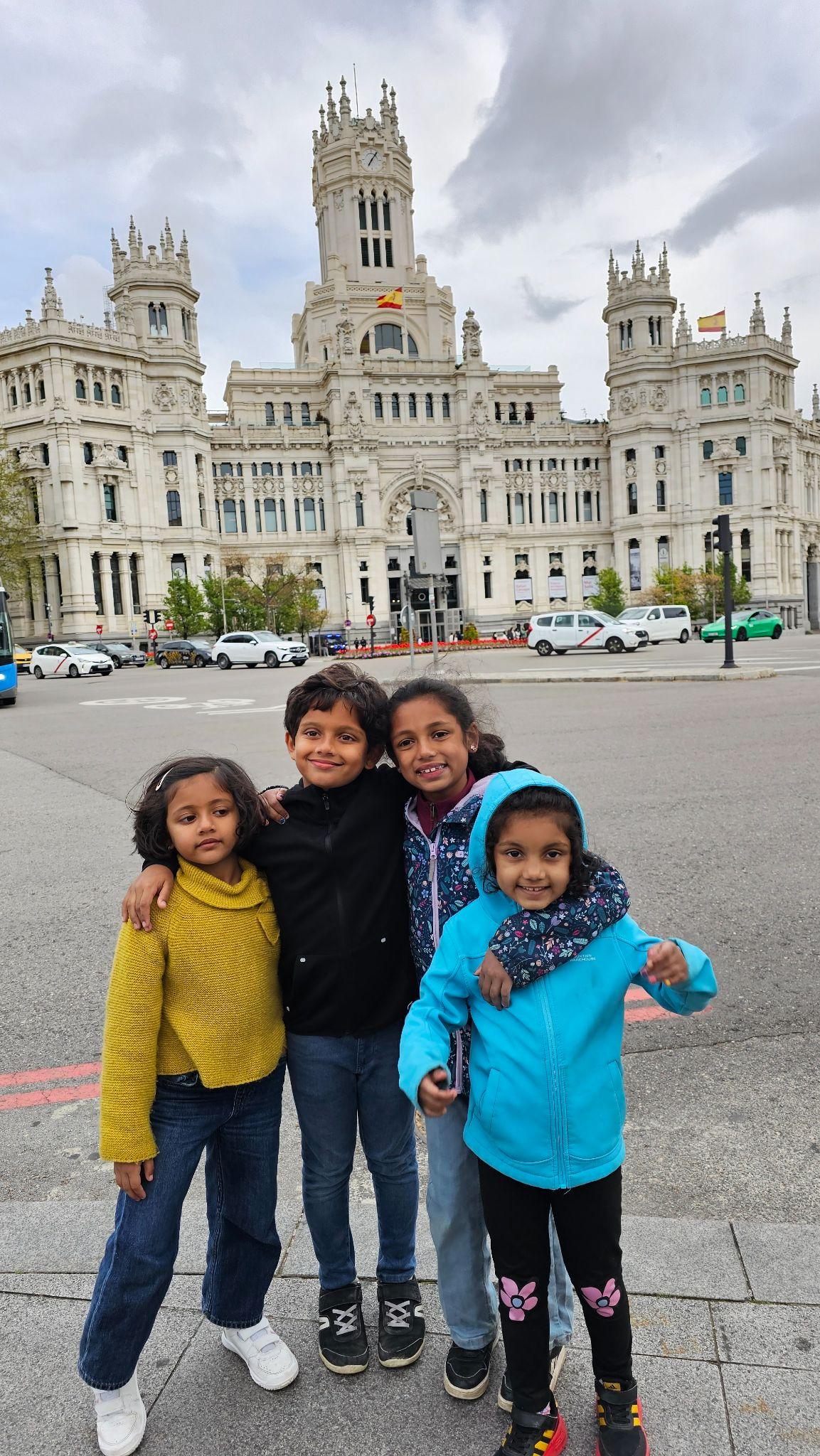
We also passed the Palace de Cibeles which used to be a post office but is now the city council, and the Bank de Espana (bank of Spain).
We finished at the centre of the city, Puerto de Sol. It was sort of like a plaza with many of the main buildings of Madrid like the town council surrounding it. The square was very busy and there were many people, tourists and locals walking around and enjoying themselves. There were peddlers selling all sorts of toys like spinning tops and bouncy balls. There were also some people dressed as movie characters for photo taking. My favourite part was definitely the glowing multicoloured lights that illuminated the sky. They looked like the stars having a party, with all those radiant colours. We finished the day with dinner at a nearby restaurant where we tried some mouthwatering Spanish croquettes - fried balls with cheese and ham inside. I think croquettes rank among my favourite foods in Spain.
The following morning, we got out of bed early and took the train to Sol again. My grandmother had a fever after experiencing the chilly weather of Madrid so she stayed at home. Everyone was hungry after a light breakfast, so we had a snack at a well known bakery called the Pastelería La Mallorquina. The adults bought chocolate eclairs and custard buns which we devoured in seconds. That was how good they were. The baby decided to scream the whole street of Madrid down as she couldn’t get a chocolate bun for herself!
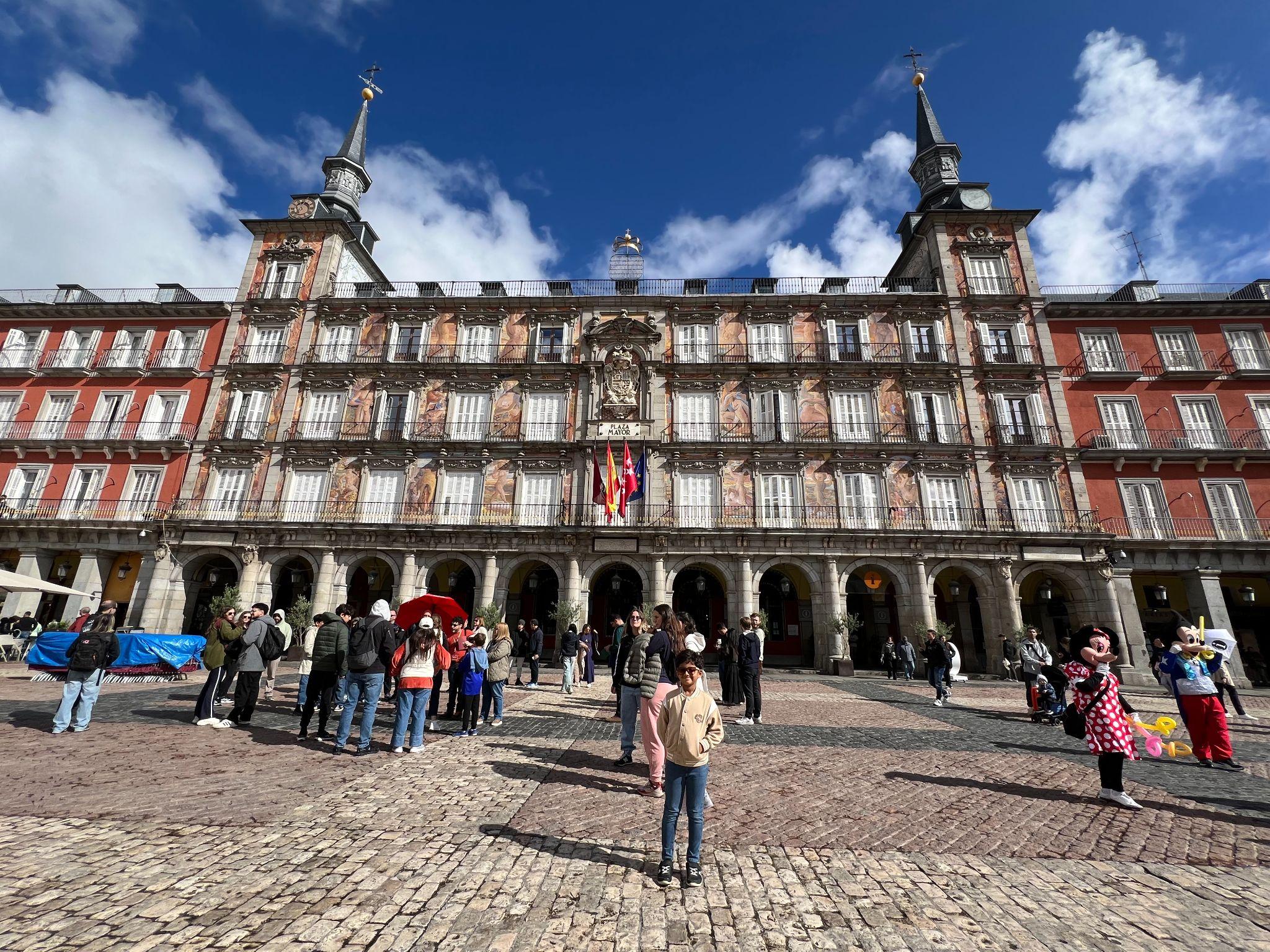
We stopped at the Plaza Mayor, one of the main squares in Spain. The walls were full of murals, depicting several mythological figures and in the centre stood the red Casa de la Panaderia, a building that was originally a bakery in Madrid but now is an area used for special occasions like weddings. I really like plazas in Spain as there’s so much space to run around and play games.
After exiting the plaza, we took a stroll down Madrid’s busy streets. There were several shops on the roadside and we saw one of them selling football banners. Since the Champions League match between Arsenal and Real Madrid was happening tomorrow, we bought one of the match banners (obviously Arsenal would win).
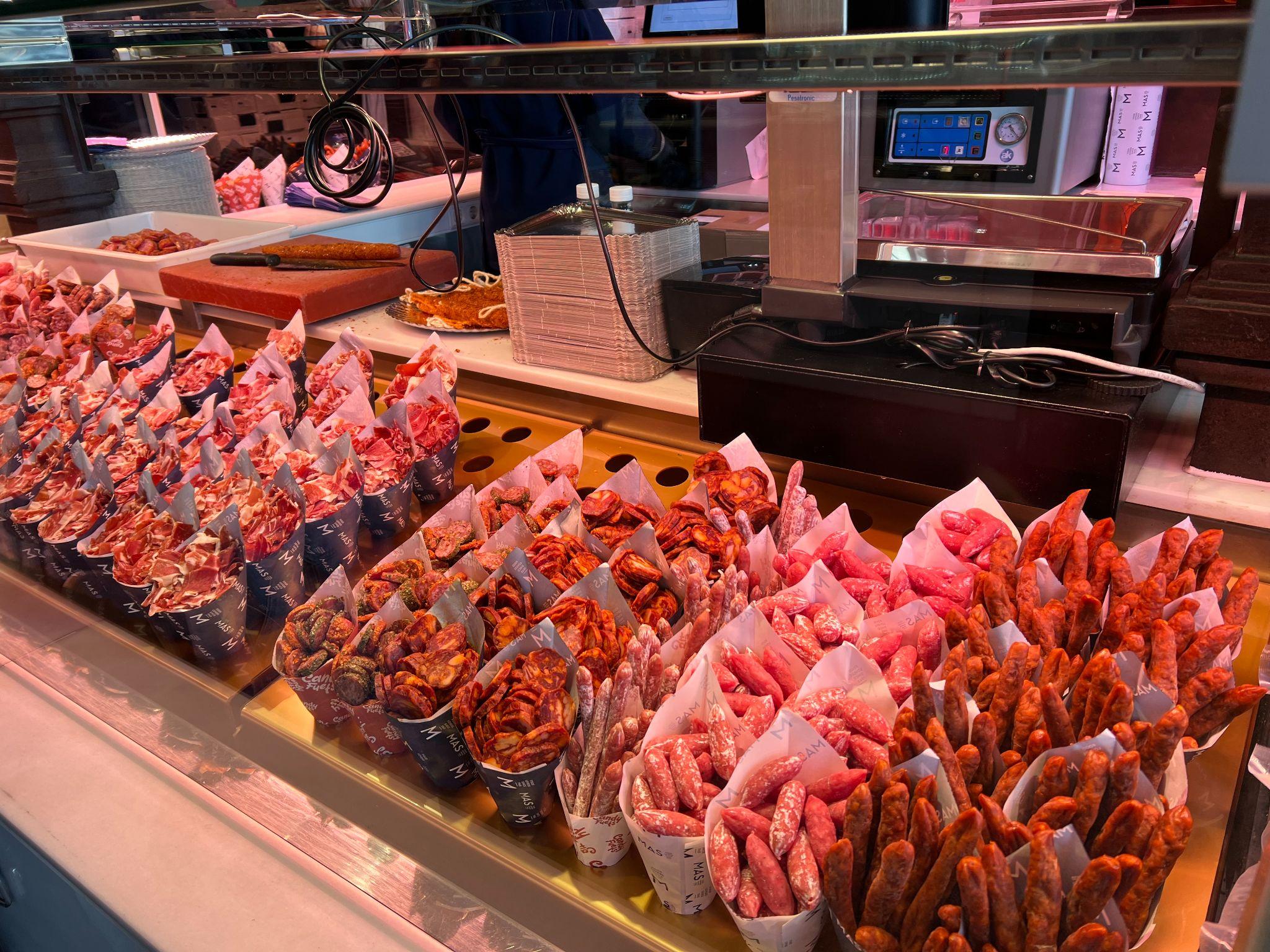
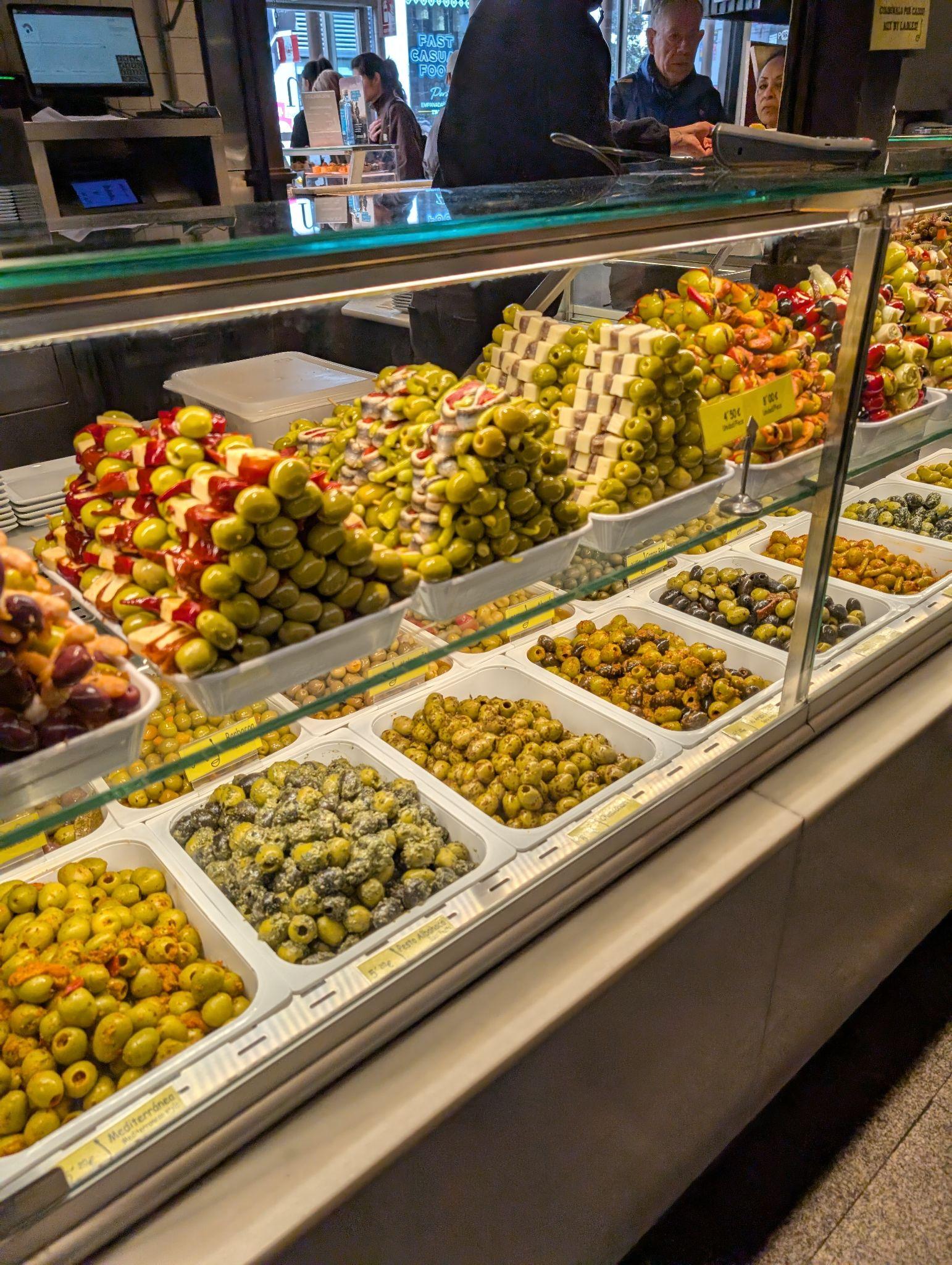
Soon, we came across a giant market called the Mercado de San Miguel (Mercado means market). There were millions of stalls, selling so much food. Burgers, churros, different types of sausages, you name it! Madrid has so much street food, and all of it looks super tempting, so instead of having lunch, we just took small food breaks along the way.
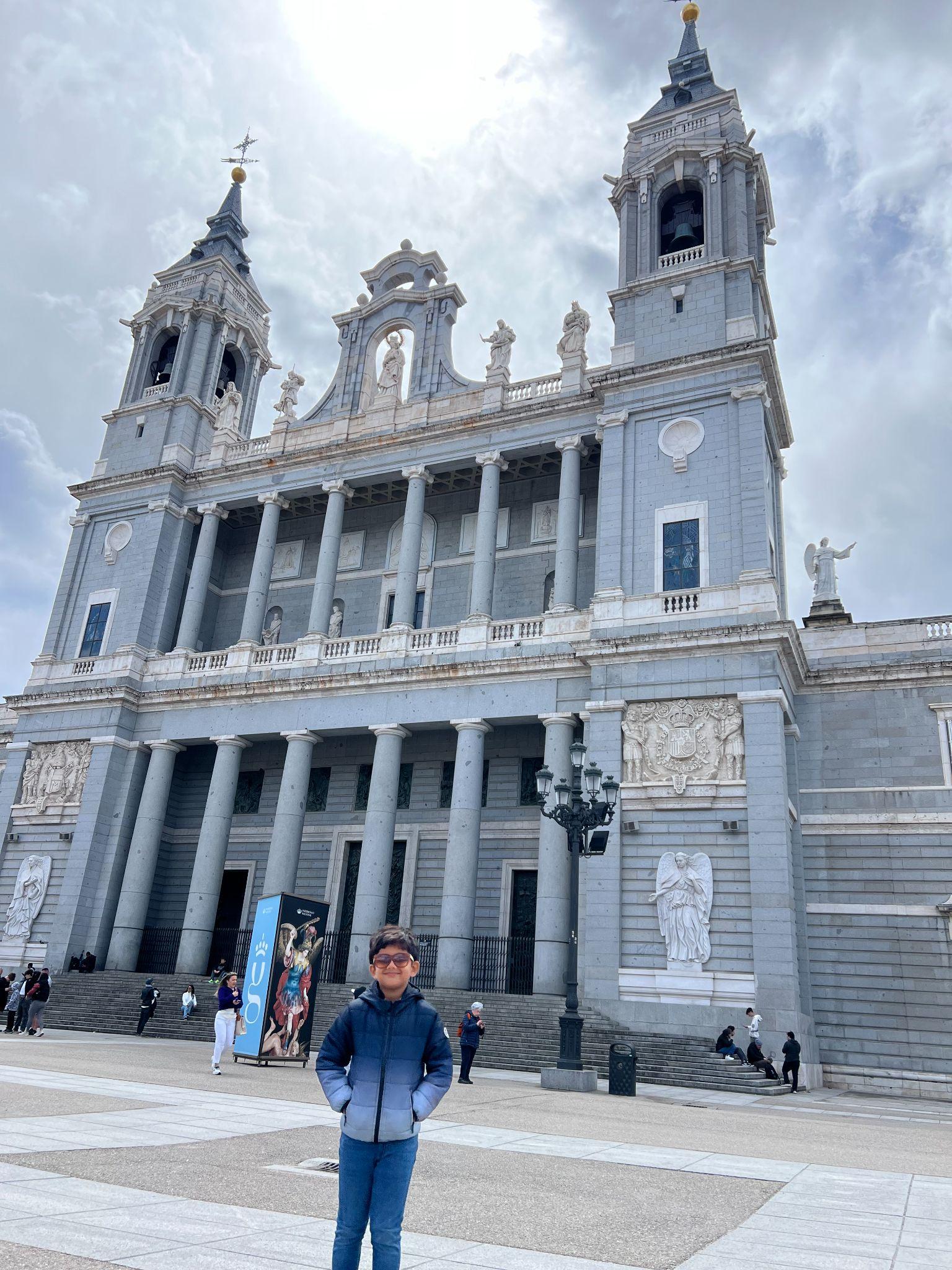
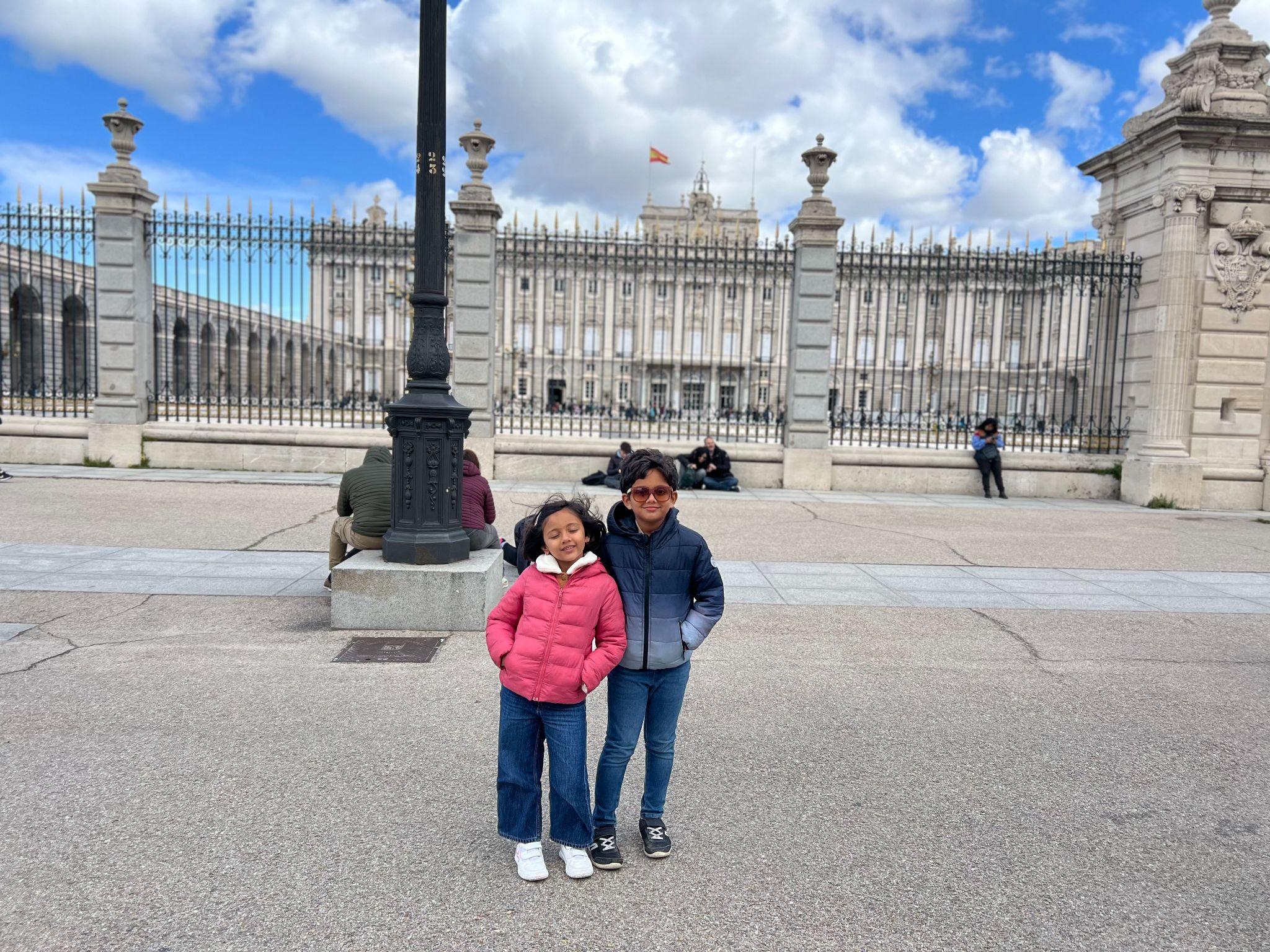
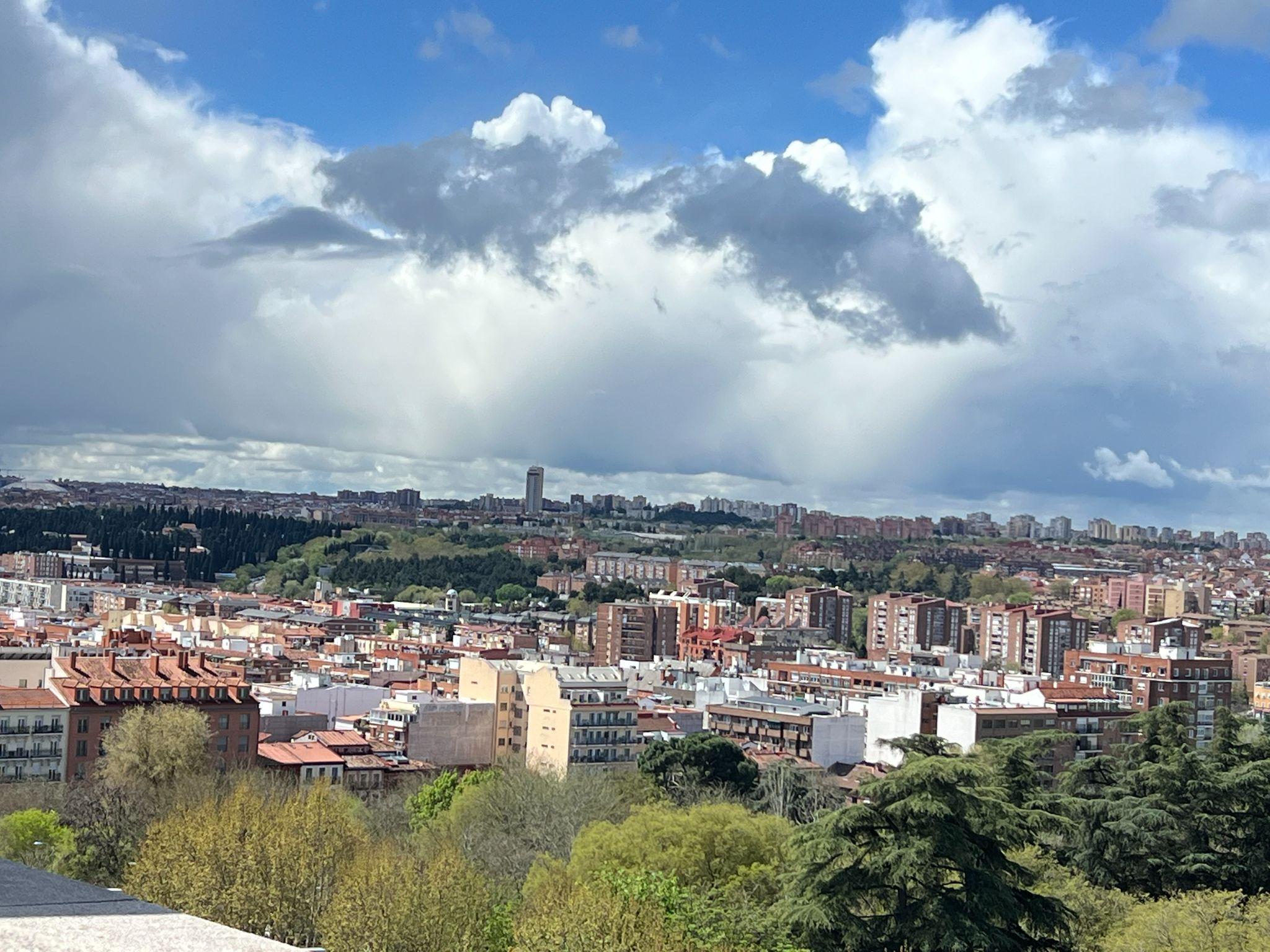
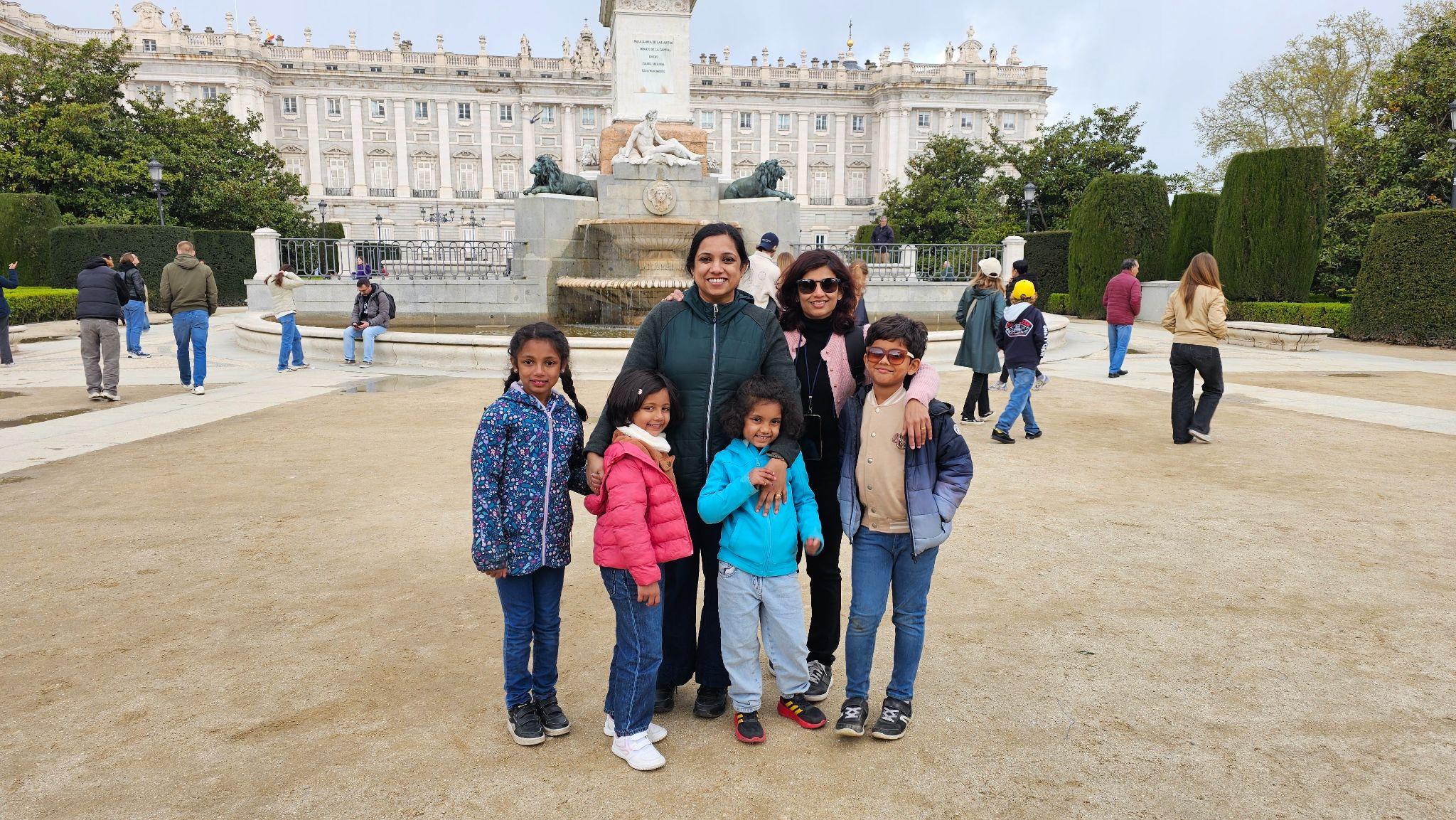
After a snack, we continued our journey to the Royal Palace of Madrid. This palace is actually one of the largest in Western Europe. The palace has over 3000 rooms and many gardens, as well as the Spanish Royal Armoury. The Royal family of Spain still live here sometimes. The palace is built on a hill that overlooks the city. I couldn’t believe how many buildings there were! Even though I was at the I still couldn’t see all of them.
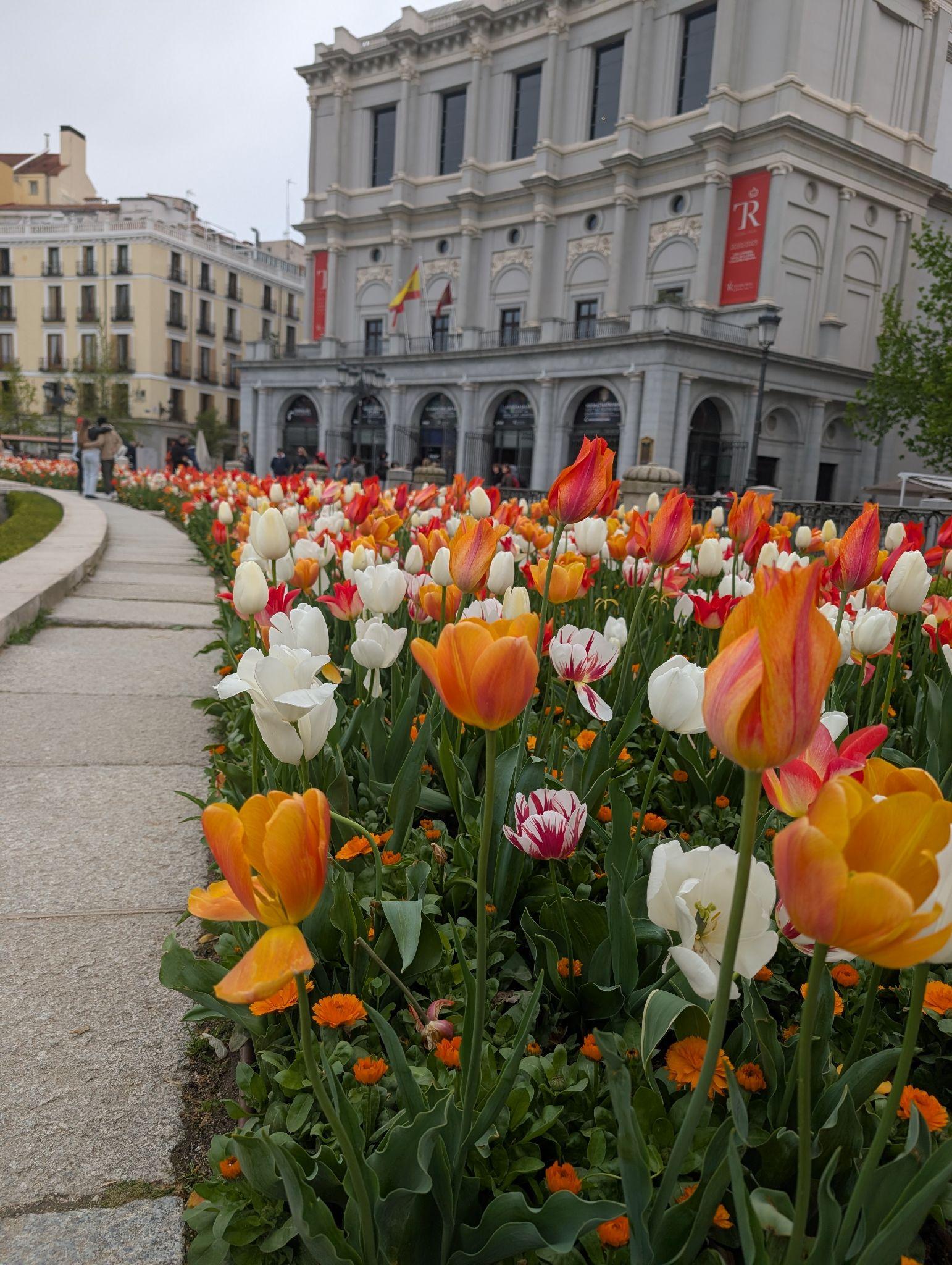
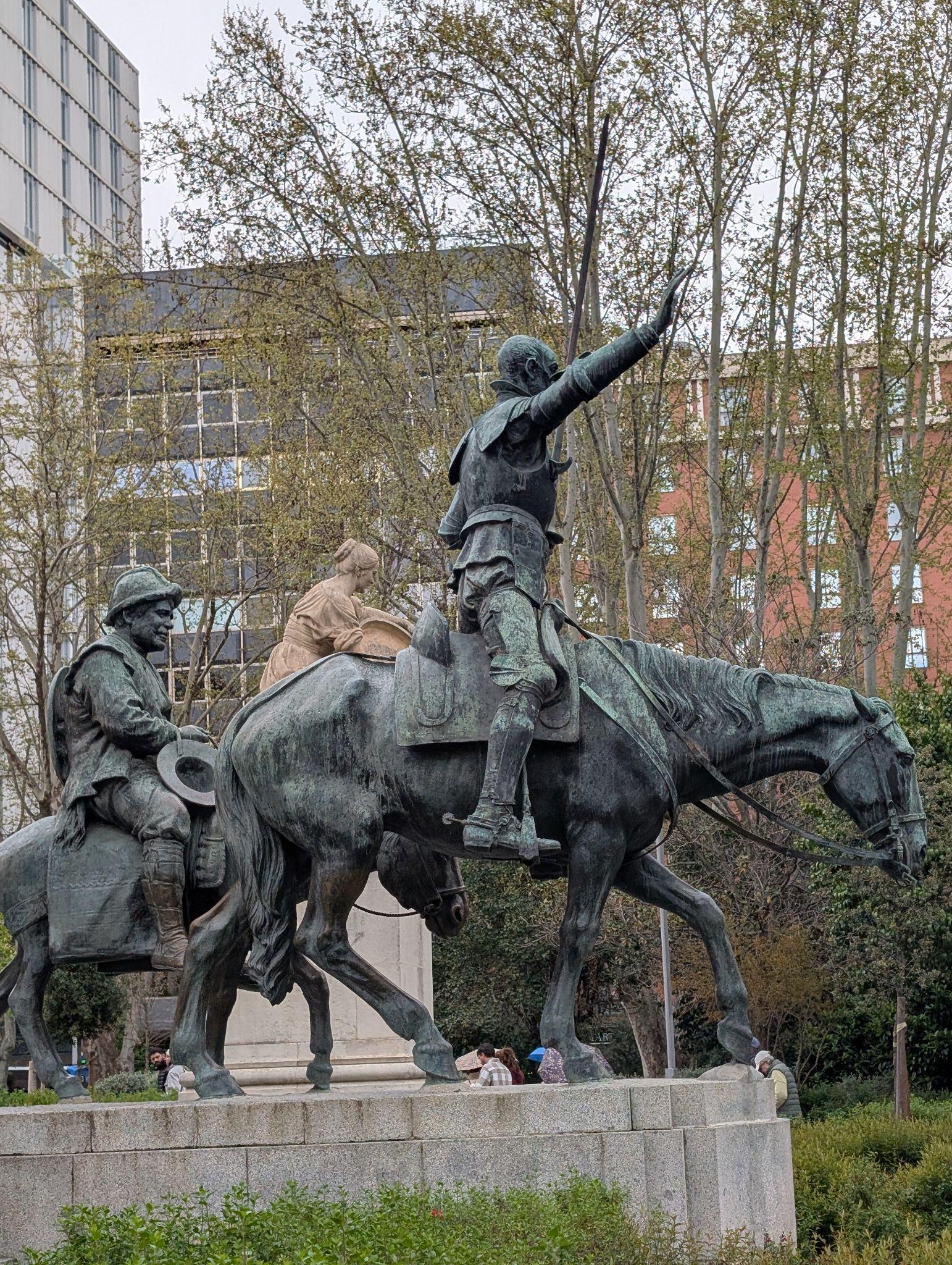
We continued our journey, passing the Teatro Real, a famous theatre in Madrid and another Plaza de Espana, which has a huge monument in the middle, dedicated to Cervantes, author of the famous novel, Don Quijote. This novel is about a warrior (Don Quijote) who thinks himself to be a chivalrous knight but in reality ends up being silly.
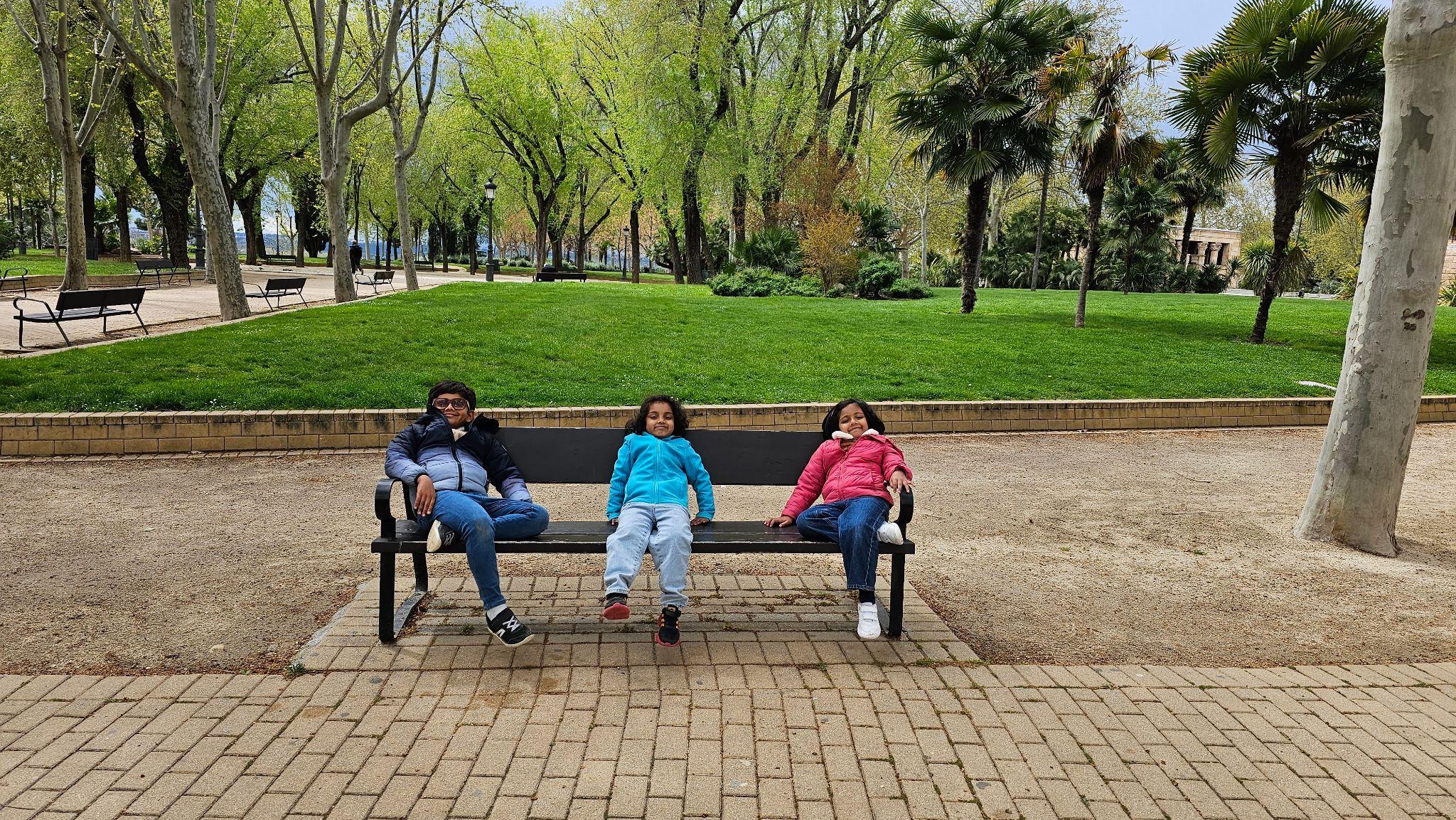
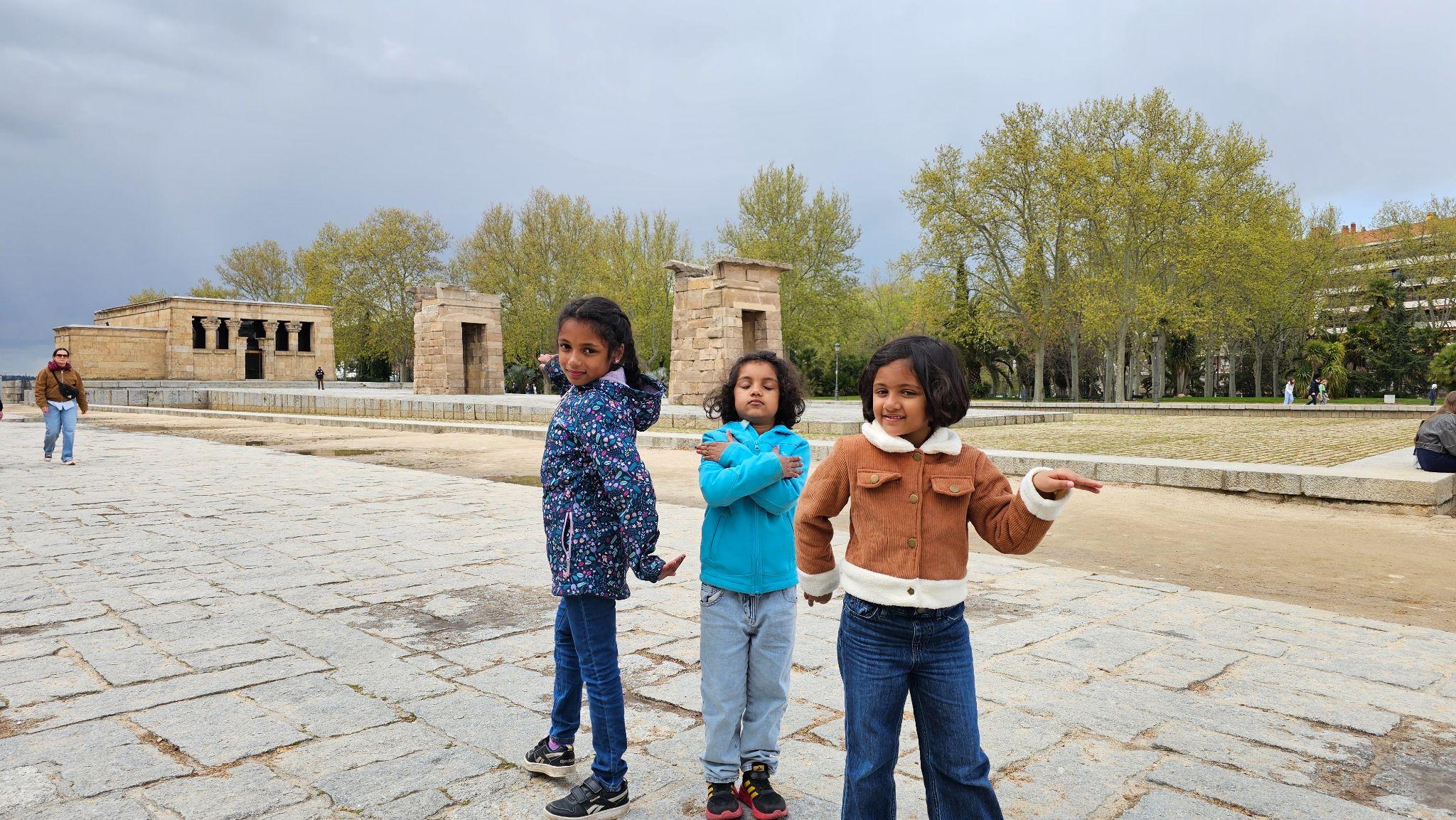
Soon, we reached the Temple Debod. This temple was actually a gift from the Nubians to the Spanish. Like the Royal Palace of Madrid, the temple is also elevated above the ground, with views showing the city. Unfortunately, our time here was short lived as rain began pouring down, so we dashed towards the station and hopped on a train to our final destination: The Real Madrid Stadium.
When we finally got there, I couldn’t believe how gigantic the stadium was. There were so many fans, wearing jerseys and waving flags, and some of them had even come all the way from England just to watch the game! As soon as we went inside, my first sight was the massive green field in front of me. There were machines driving around, fixing the grass and preparing the pitch for tomorrow’s match. I even spotted the tunnel where the players would come out! My heart was beating so fast—this was my first time ever at a football stadium, and tomorrow my favourite team had a huge game. I couldn’t stop smiling!

After an experience that might have been one of my favourites, we took a quick snack at the Mercado before taking the train back home.
Super Seville
The next day, we headed to the train station. We were going to Seville! Like our ride to Madrid this would also be a three hour journey. I was so tired after a busy night, that as soon as we left Madrid, I dozed off. I woke to warm and sunny weather as I stepped into the city of Seville.
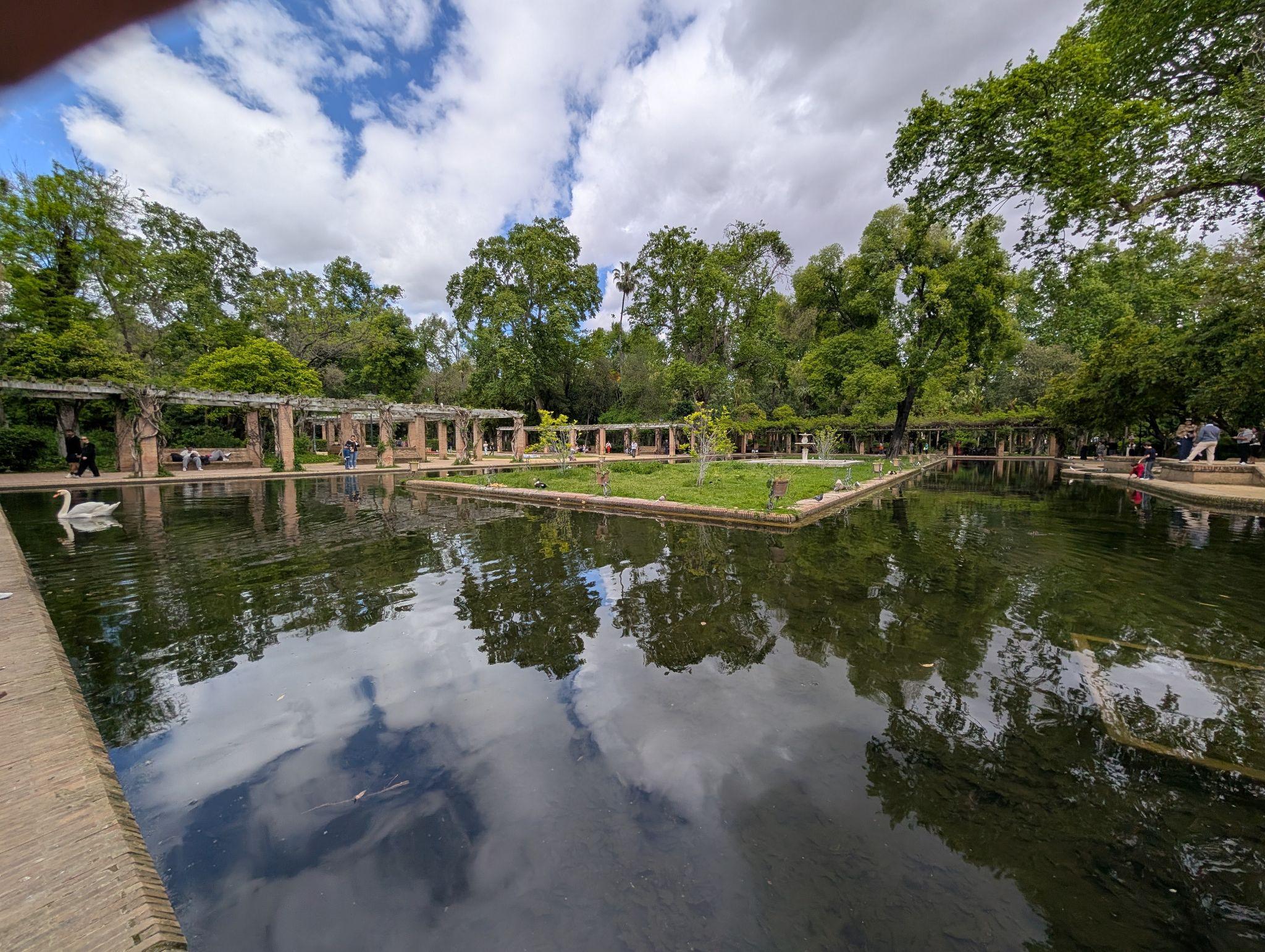
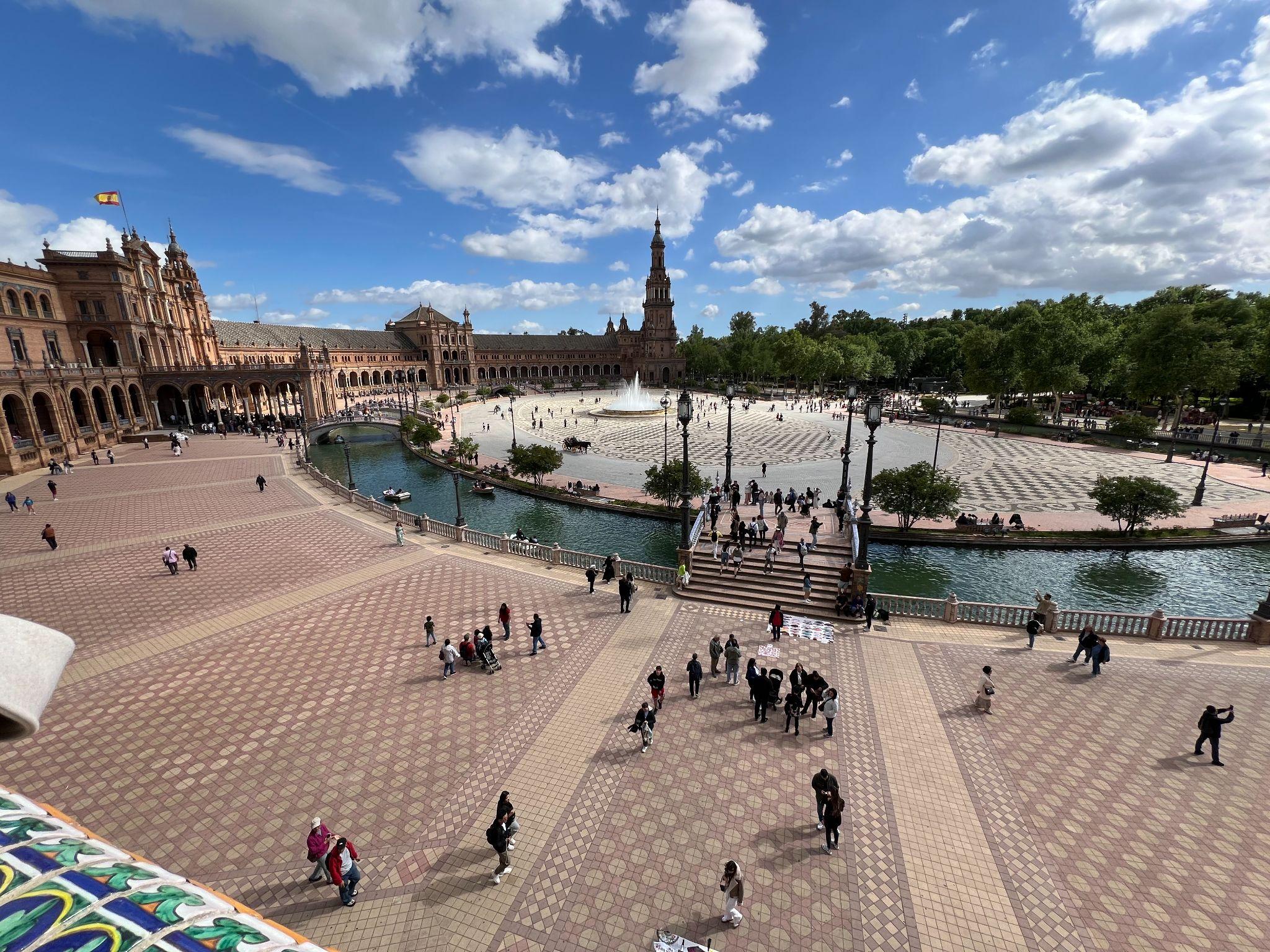
After renting a seven-seater Renault, we drove to our first stop, the Park Maria de Luisa, the largest park in Seville. The park was like a giant magical garden! There were fountains and pavilions everywhere, and the grass was so green with flowers all around it. There were even small ponds with ducks swimming around.
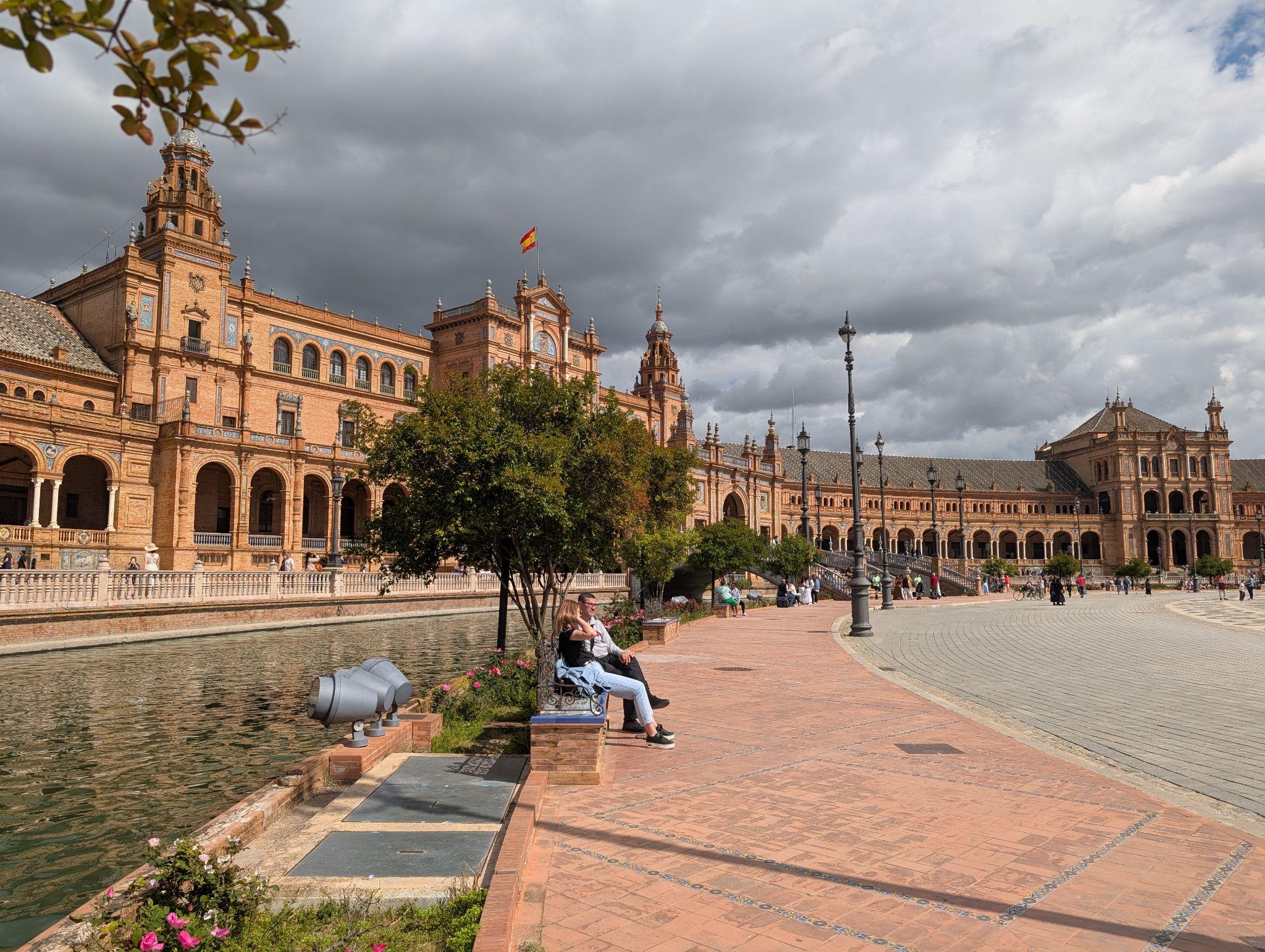
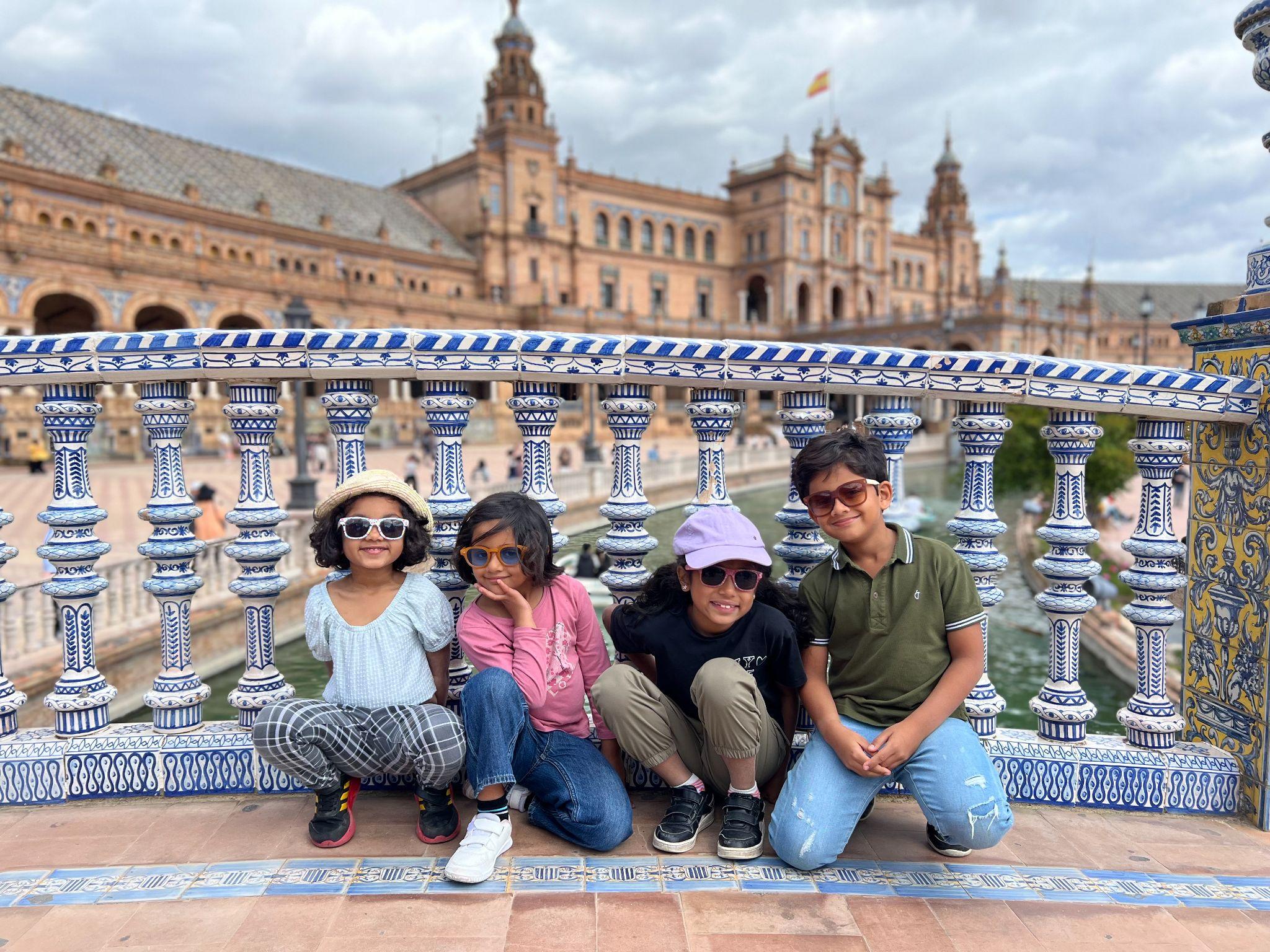
Right in the middle of the park was… another Plaza de España! There was a huge fountain spraying water high into the air, and all around it was a stream where people were rowing boats. It looked so fun that I wanted to join in too. The big building around the plaza was bright orange, and from the top you could see the whole park in its splendour. On the walls were beautiful tile paintings showing famous places in Spain.
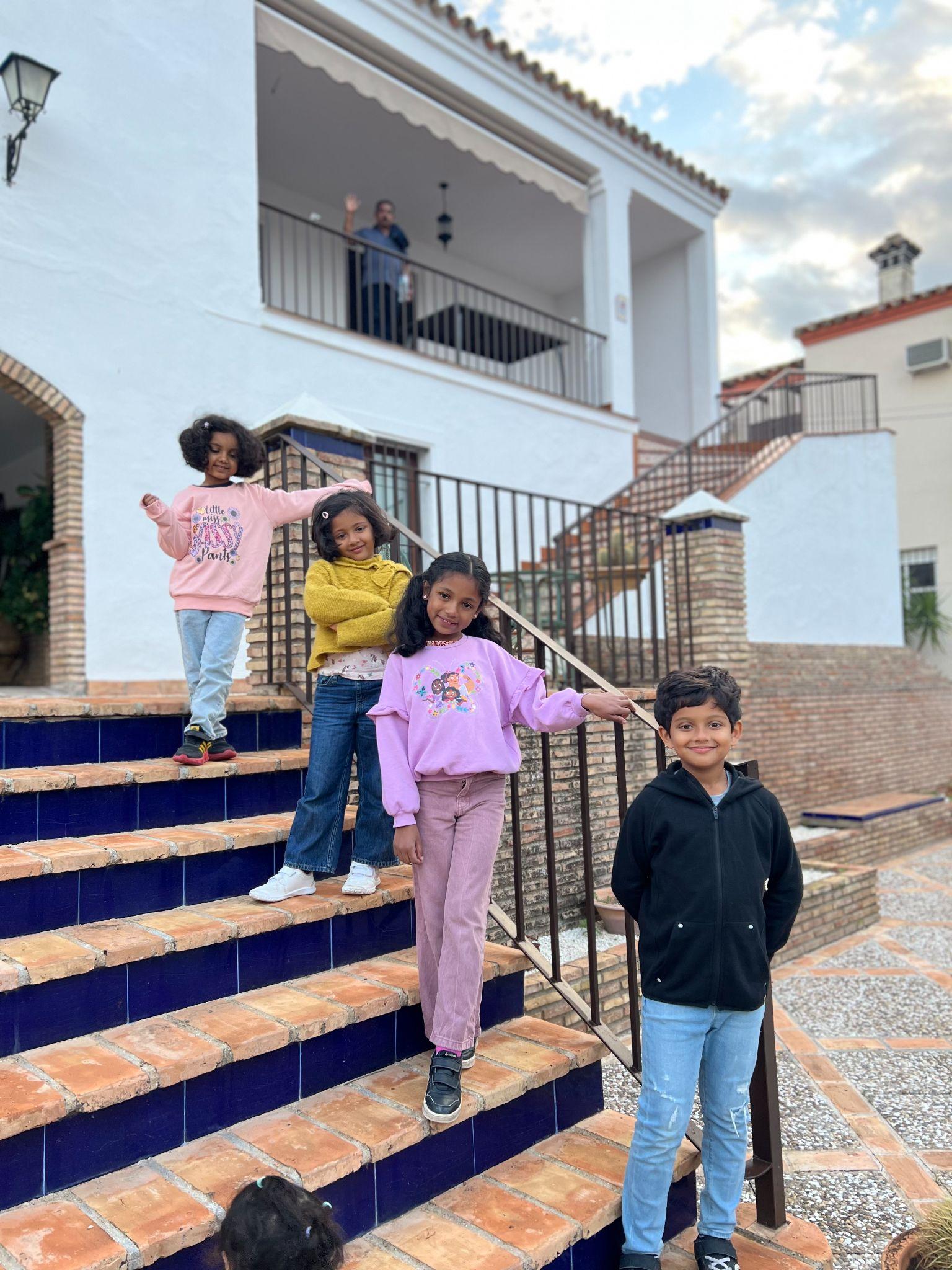
In the evening we reached our house which was a little outside Seville in a town called Ecija. Like in Barcelona, this was also a big house with multiple rooms and a nice backyard. There were so many things to do as the house had a pool table and a swimming pool! Our British cousins wanted to stay in the pool all day, but my sister Rebekah and I were out in seconds because of how cold the water was.
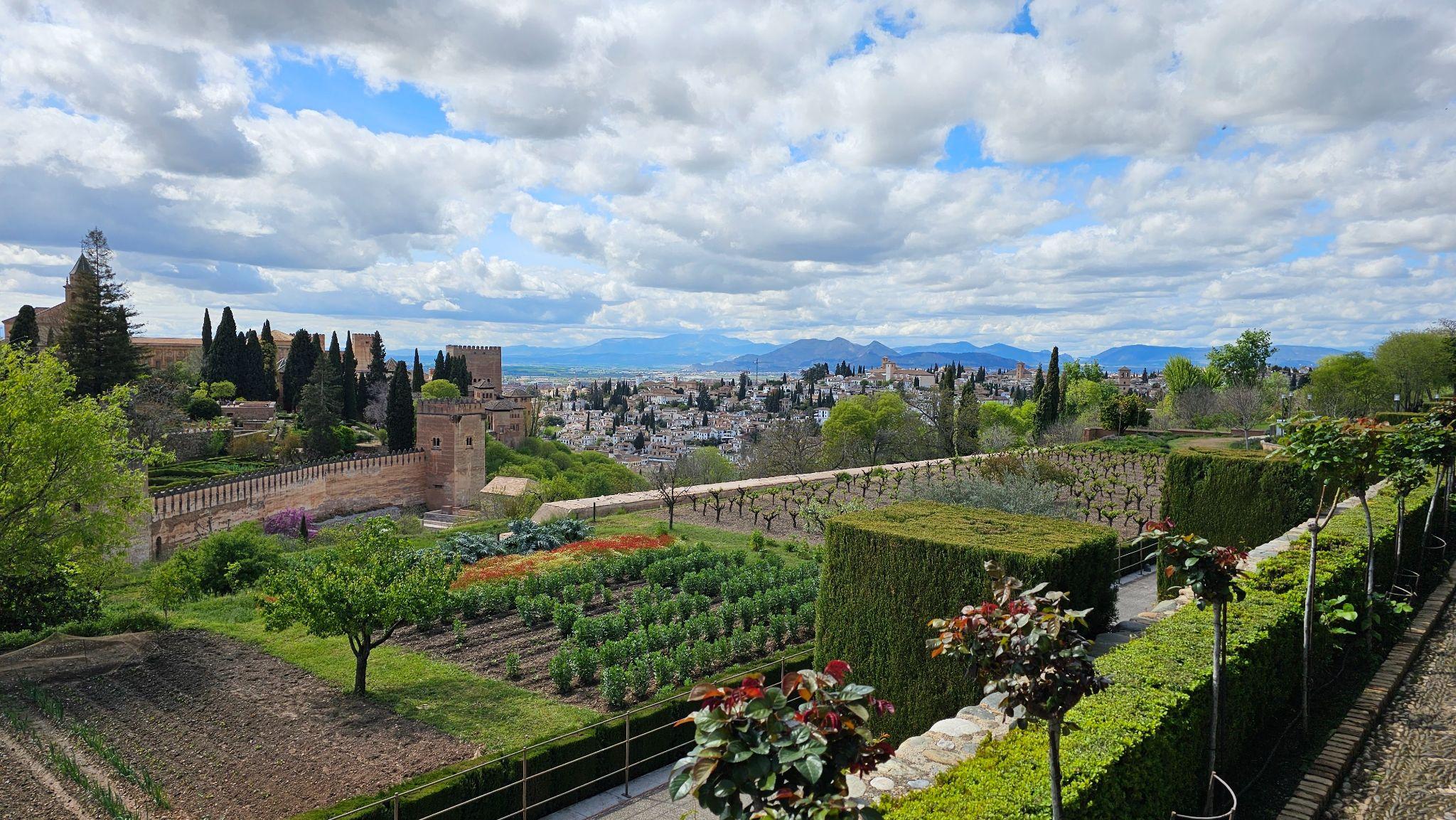
Next day, we got up for a two hour drive to Granada, one of the major cities in Spain, that houses the Alhambra, which was the palace of the kings during the reign of the Muslims. You need your passport for the trip so don’t forget to bring it along, however, if you do forget and you’ve already driven halfway there, which was what happened to us, just show a digital copy - they will help you to get it attested at the main entrance, it takes about 30 mins but at least its gives an option.
The Alhambra is massive, no wonder it takes a full day to explore. It consists of three sections, the General Life, the Alcazaba and the Nasrid palaces. We got ourselves maps and tried to plan out routes but my cousins and I kept on arguing about who could hold the map so planning took a very long time.
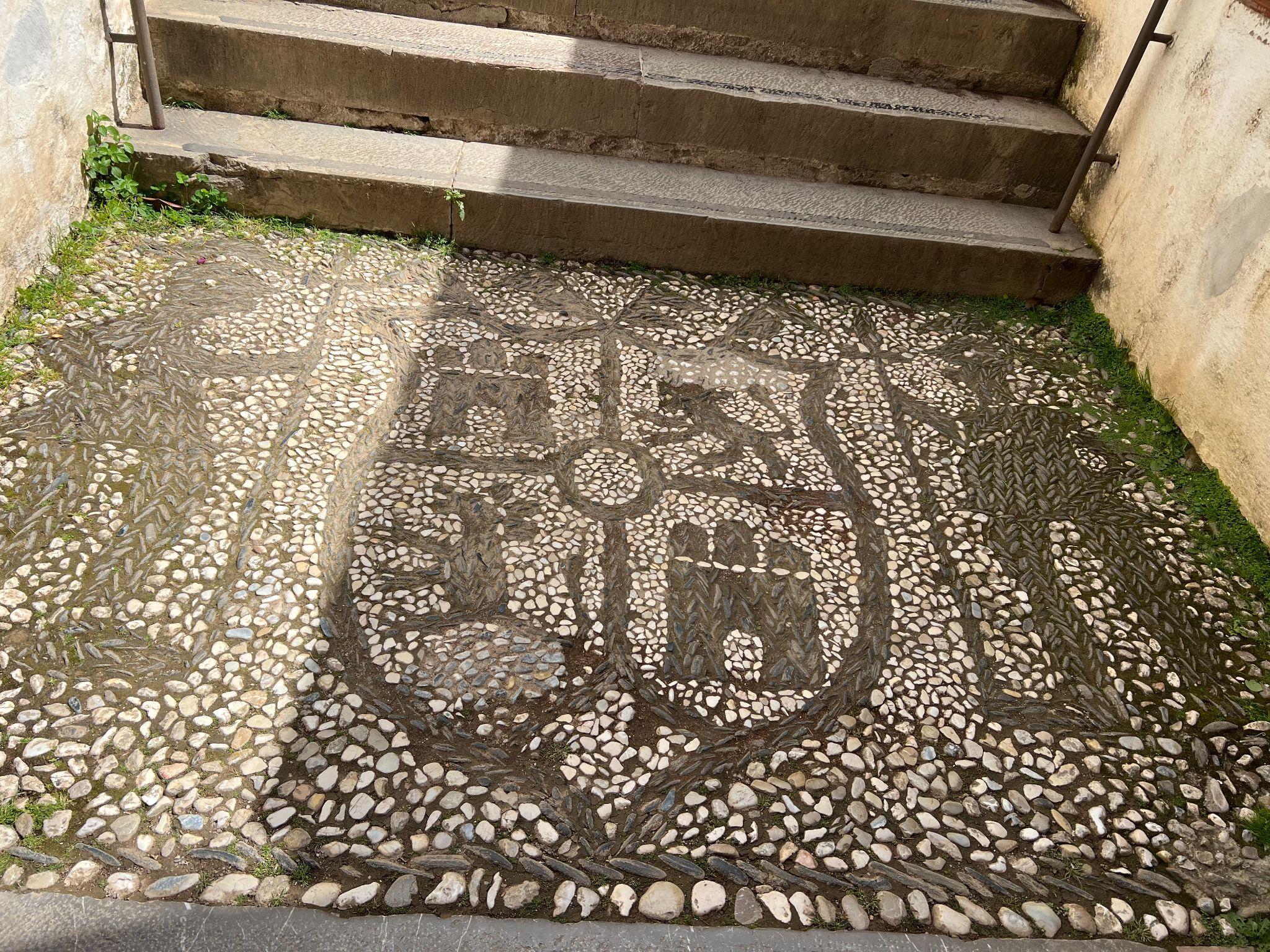
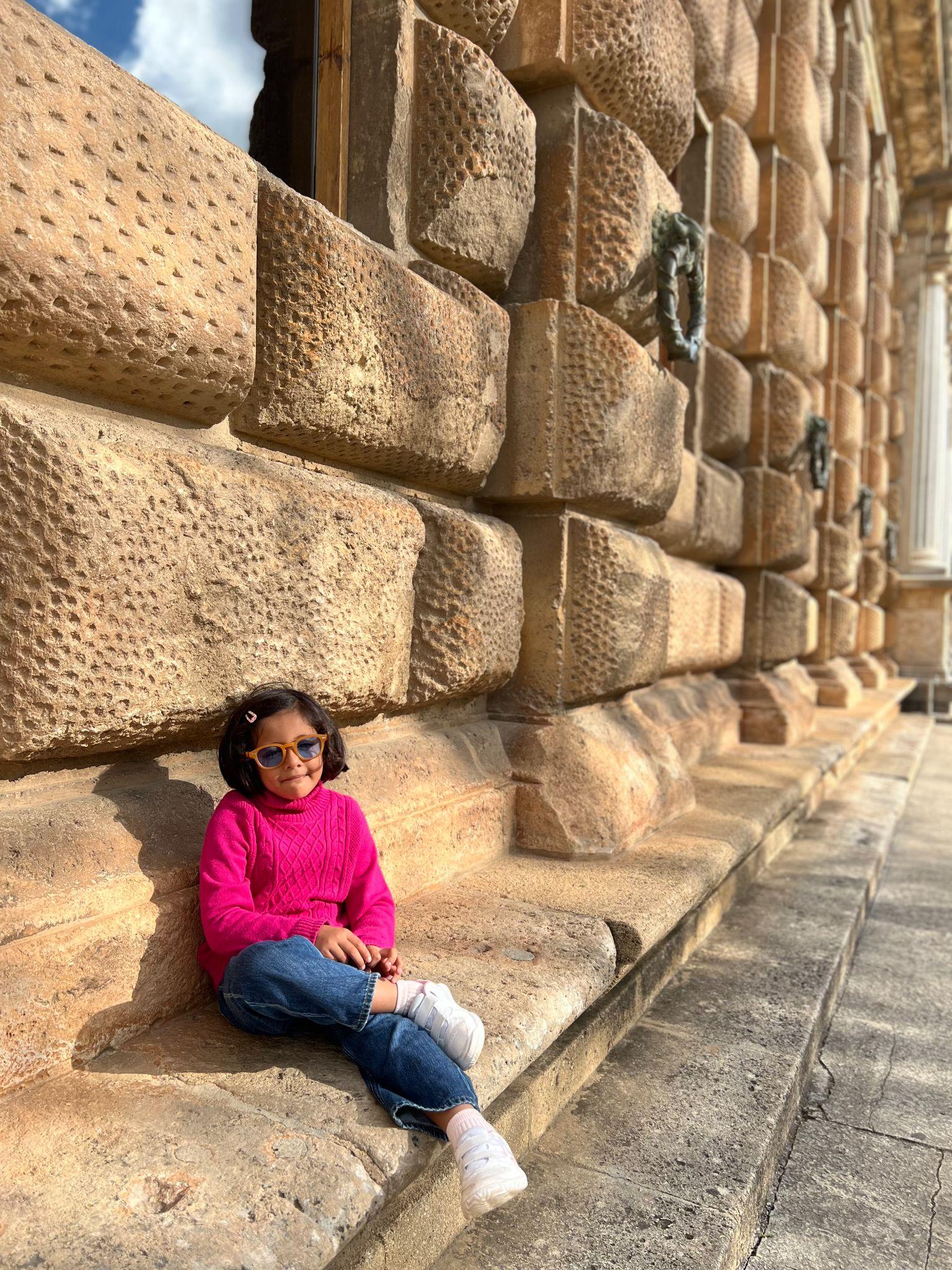
After finally finding a route, we set off to the General Life section, a holiday home and relaxation area for the royal family. The place had gardens, pools and picturesque views of the city. It actually looked like a resort! The houses in the General Life were fabulous too. The best part was the tilework, the ceiling, the walls, everywhere was covered head to toe in tiles, each showing different patterns and colours. Some of them even had Arabic written on them! There were also platforms where you could touch and feel tiles. I didn’t know tilework was so important in Spain.
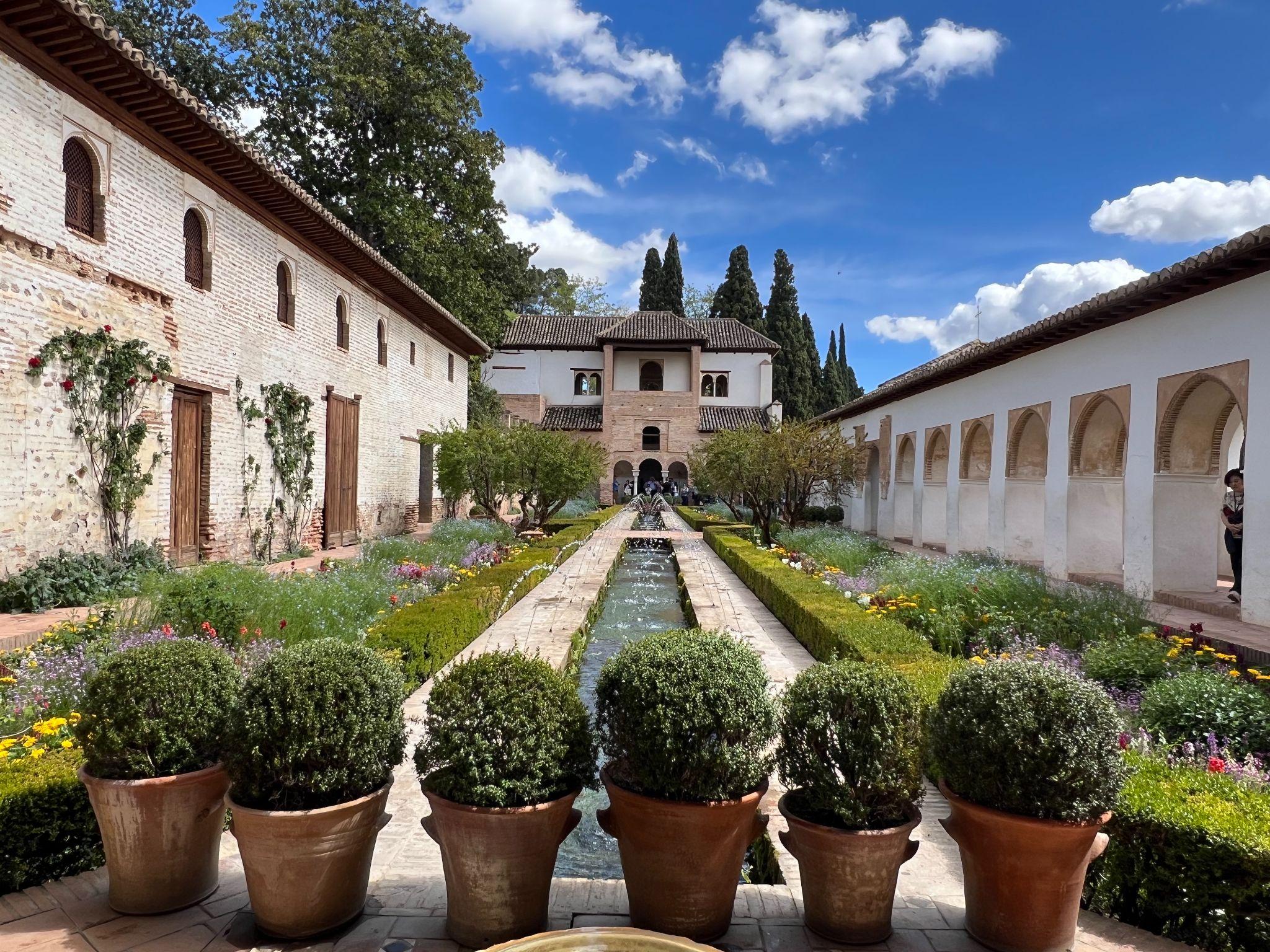
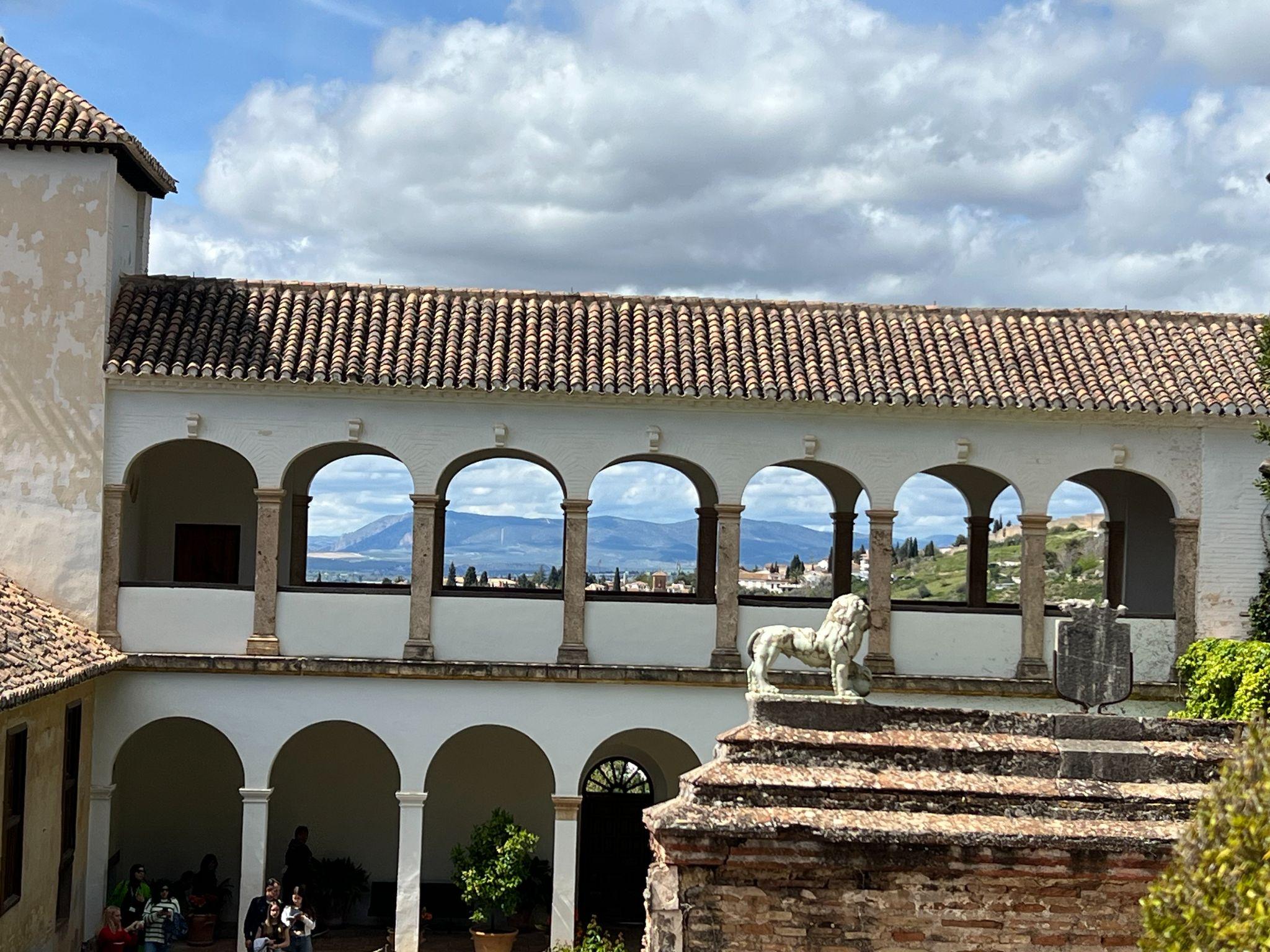
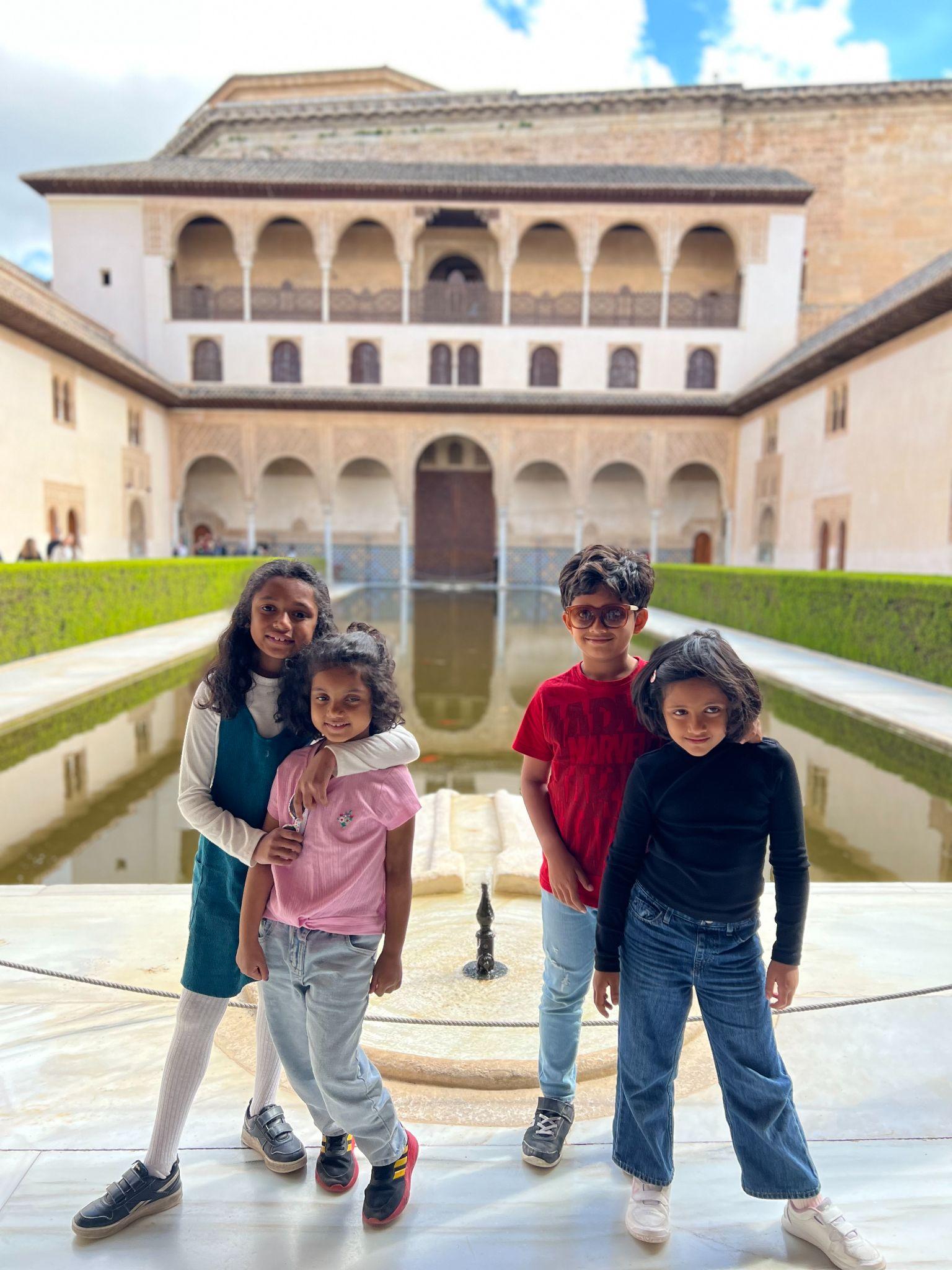
For the section of the Nasrid palaces, you need to book a slot beforehand and make sure you’re able to arrive on time otherwise you won’t be allowed to enter. The place contains the three palaces: The Mexuar, place where the king addressed his subjects, The Comares, the king’s house and The Palace of the Lions, where the women of the royal household lived. The Mexuar hangs out of a ledge over the city, the Comares at the heart of the Alhambra, but my favourite palace was the Place of the Lions because there’s a fountain in the middle surrounded by white sculpture of lions and it looks so cool!
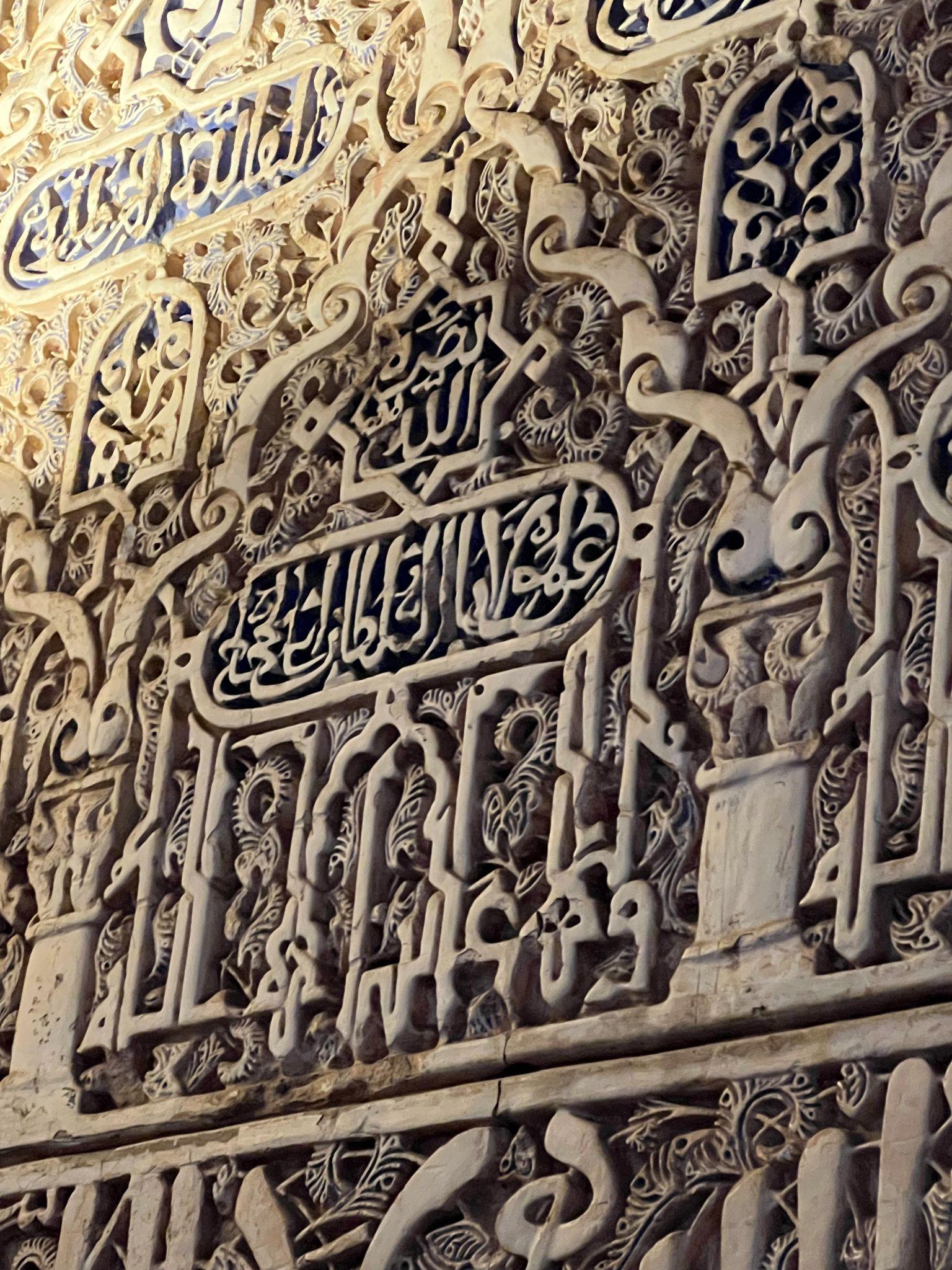
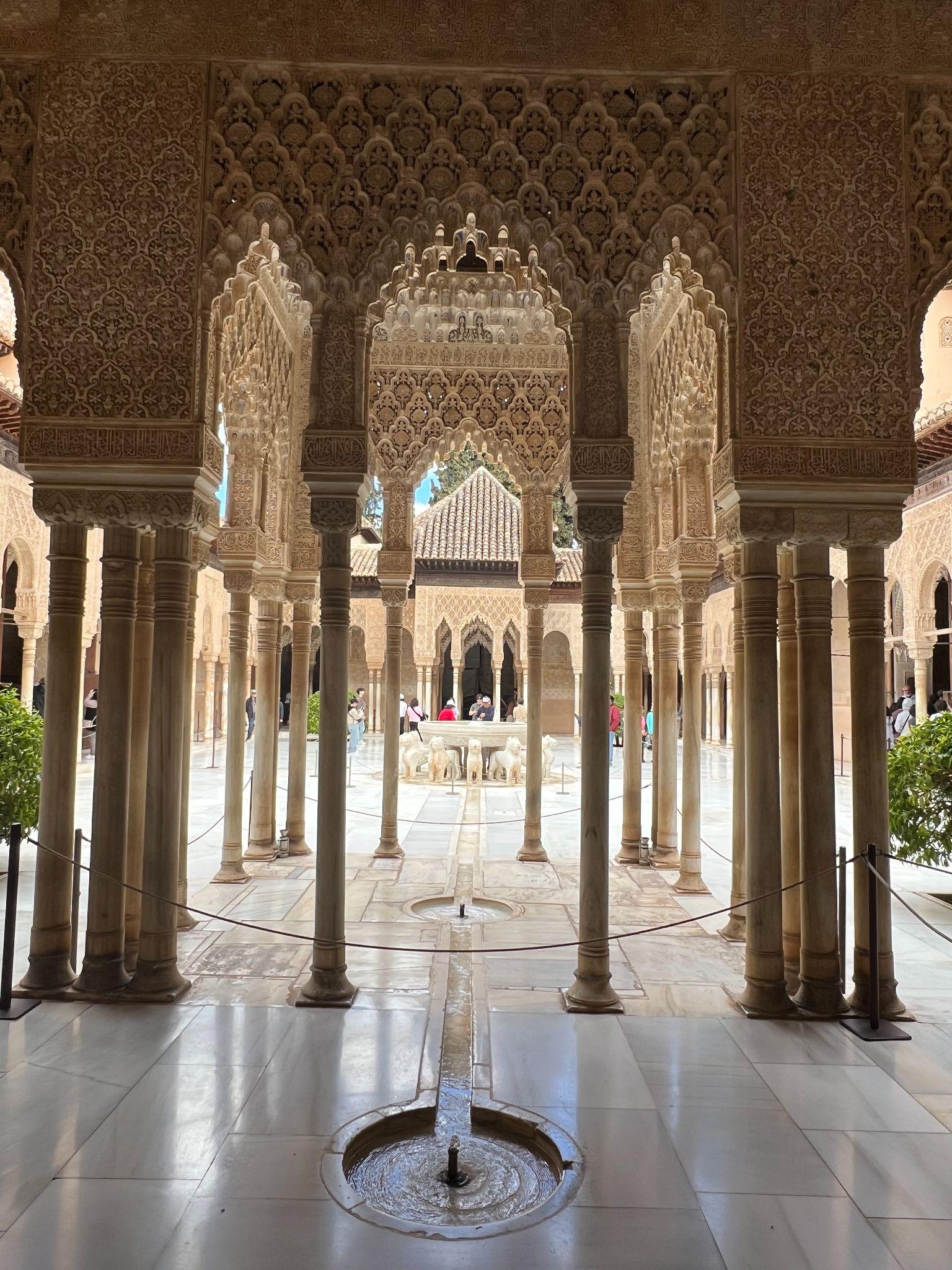
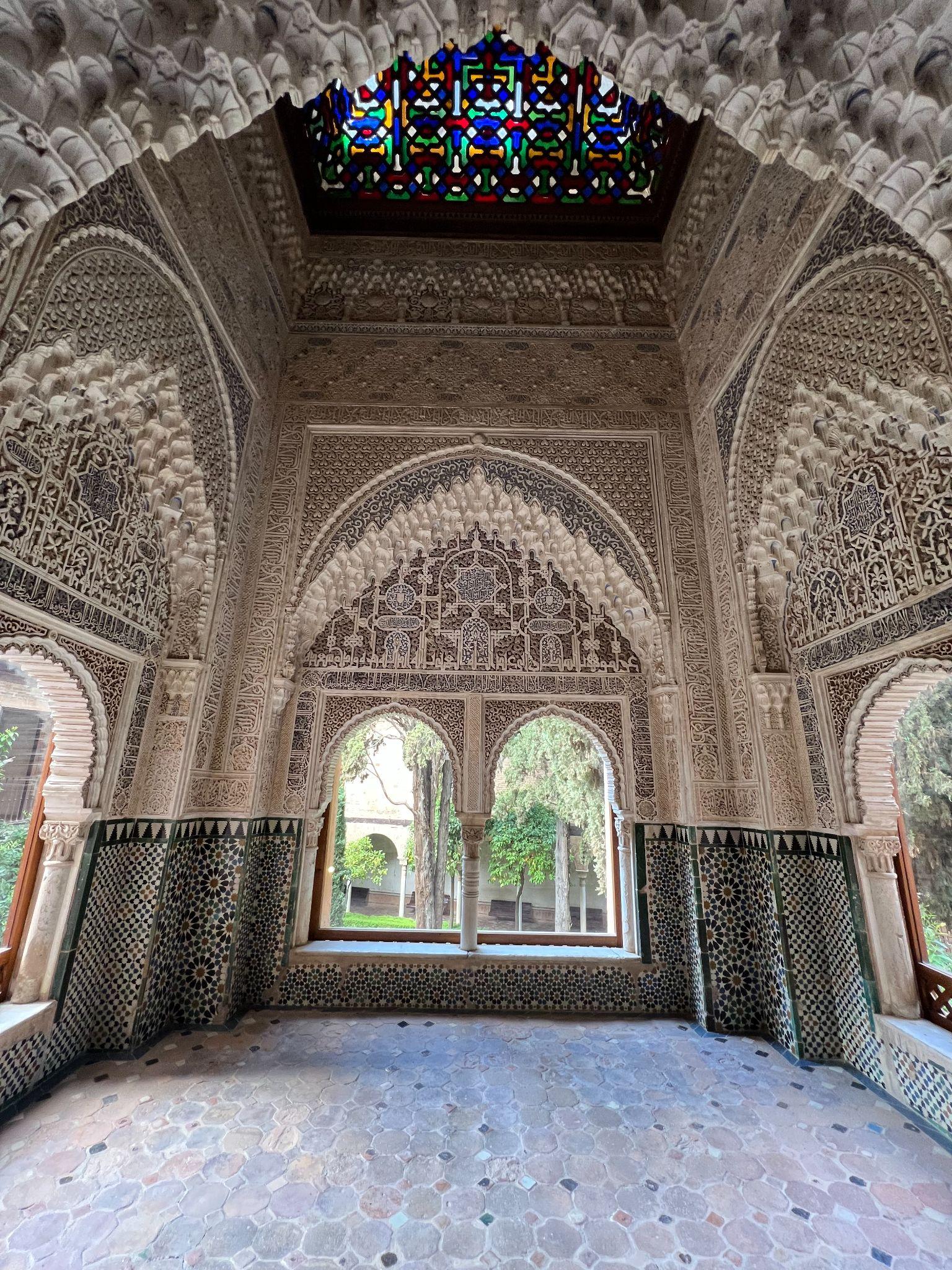
Exhausted from the long walk, we pulled ourselves to our final destination, the Alcazaba, a military fort. It is the oldest part of the palace, its creation dating back to the ninth century! It has many towers and is actually the living quarters for soldiers and their families. The ruins of the houses actually looked like a maze but we couldn’t go inside it.
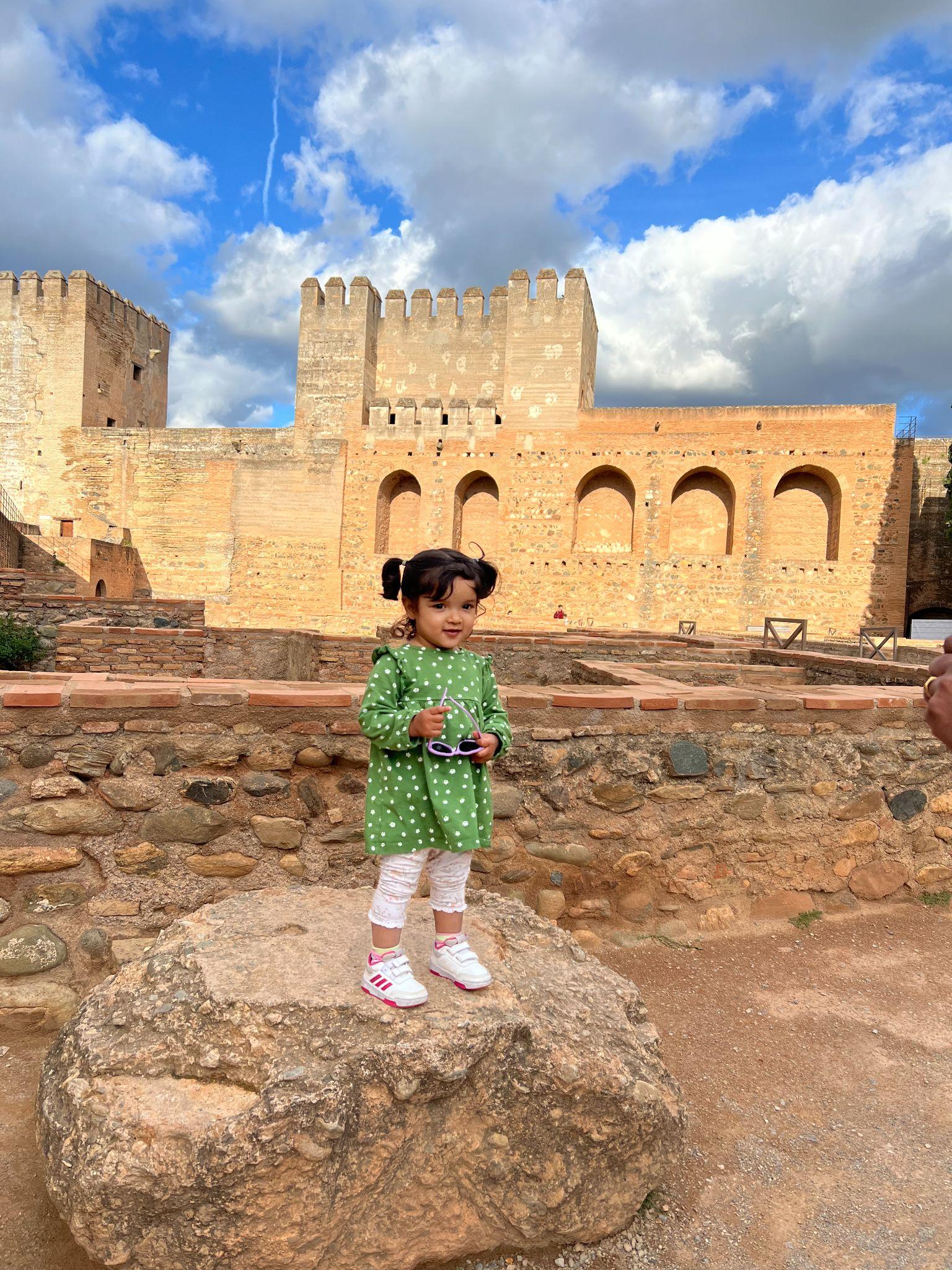
From the top of one of the towers, we looked down to see the procession for holy Wednesday, this is called the Semana Santa. This procession goes on all around the city, everyone dressed in colourful outfits and carrying holy statues and objects like the statue of Jesus and a golden tabernacle. By the time the procession was over, it was nearly evening so we said goodbye to the Alhambra and drove back home.
The following day was another trip, this time to Cordoba, less than an hour from our place. Cordoba was the capital of Spain during Muslim rule.
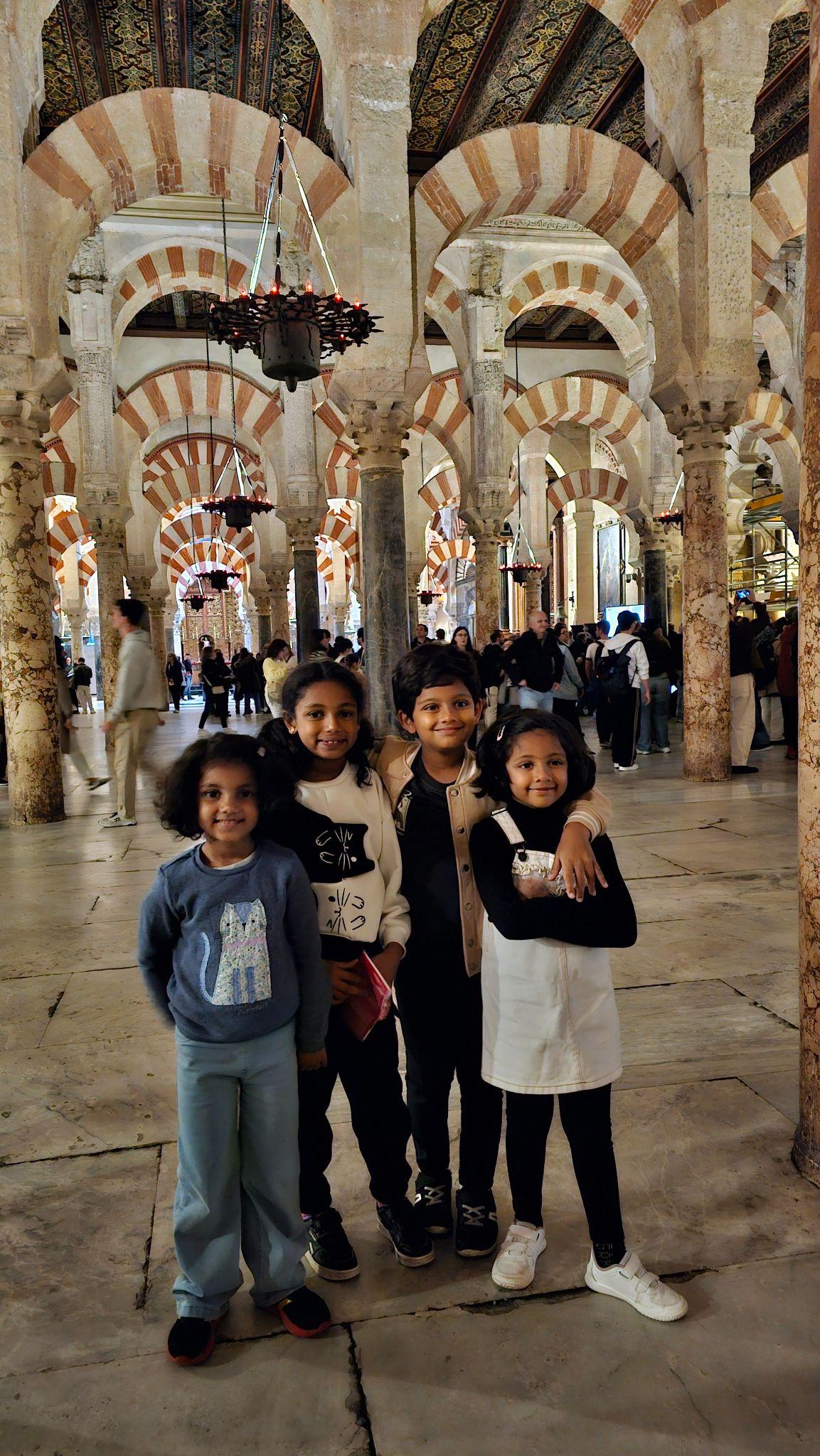
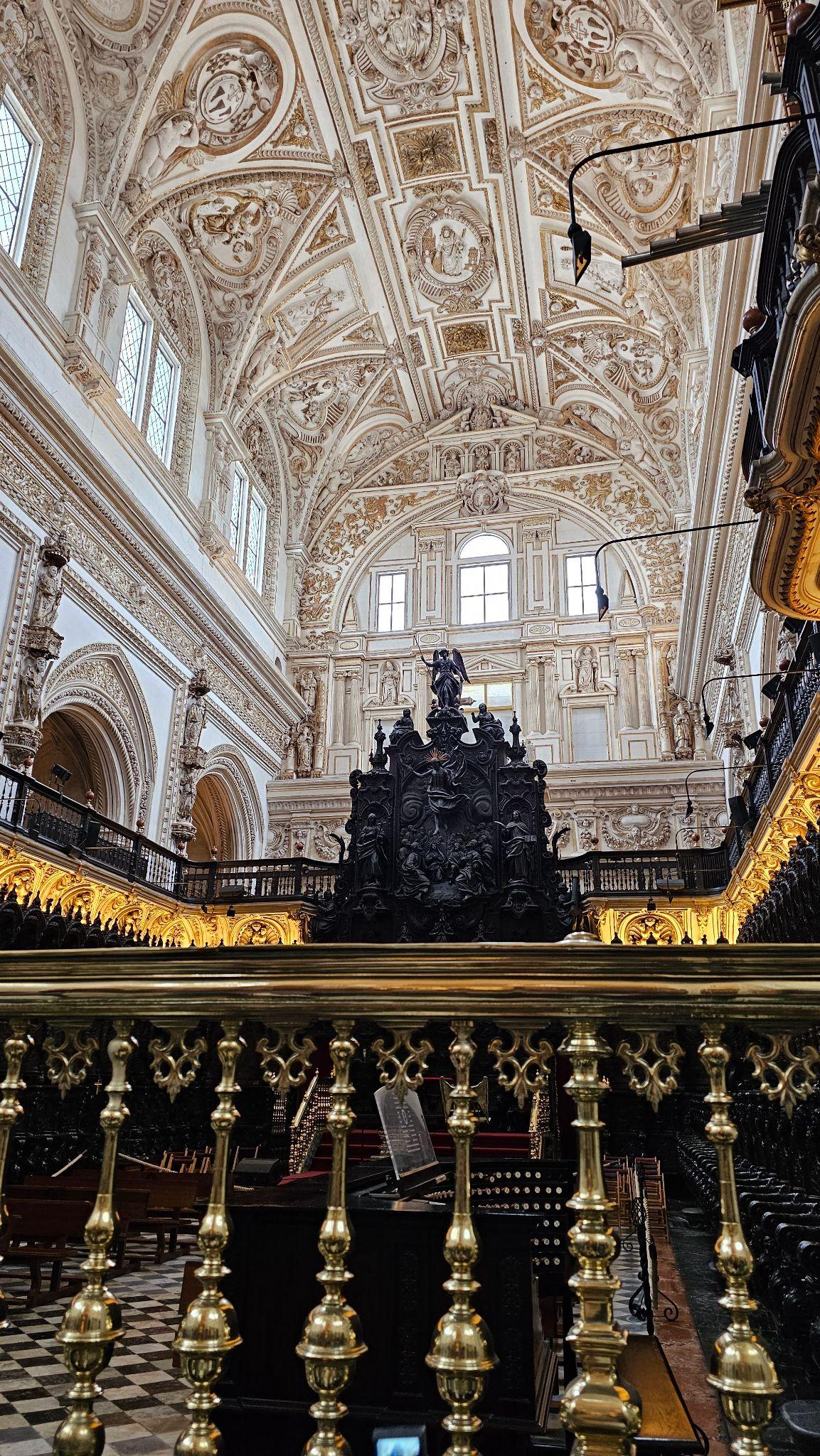
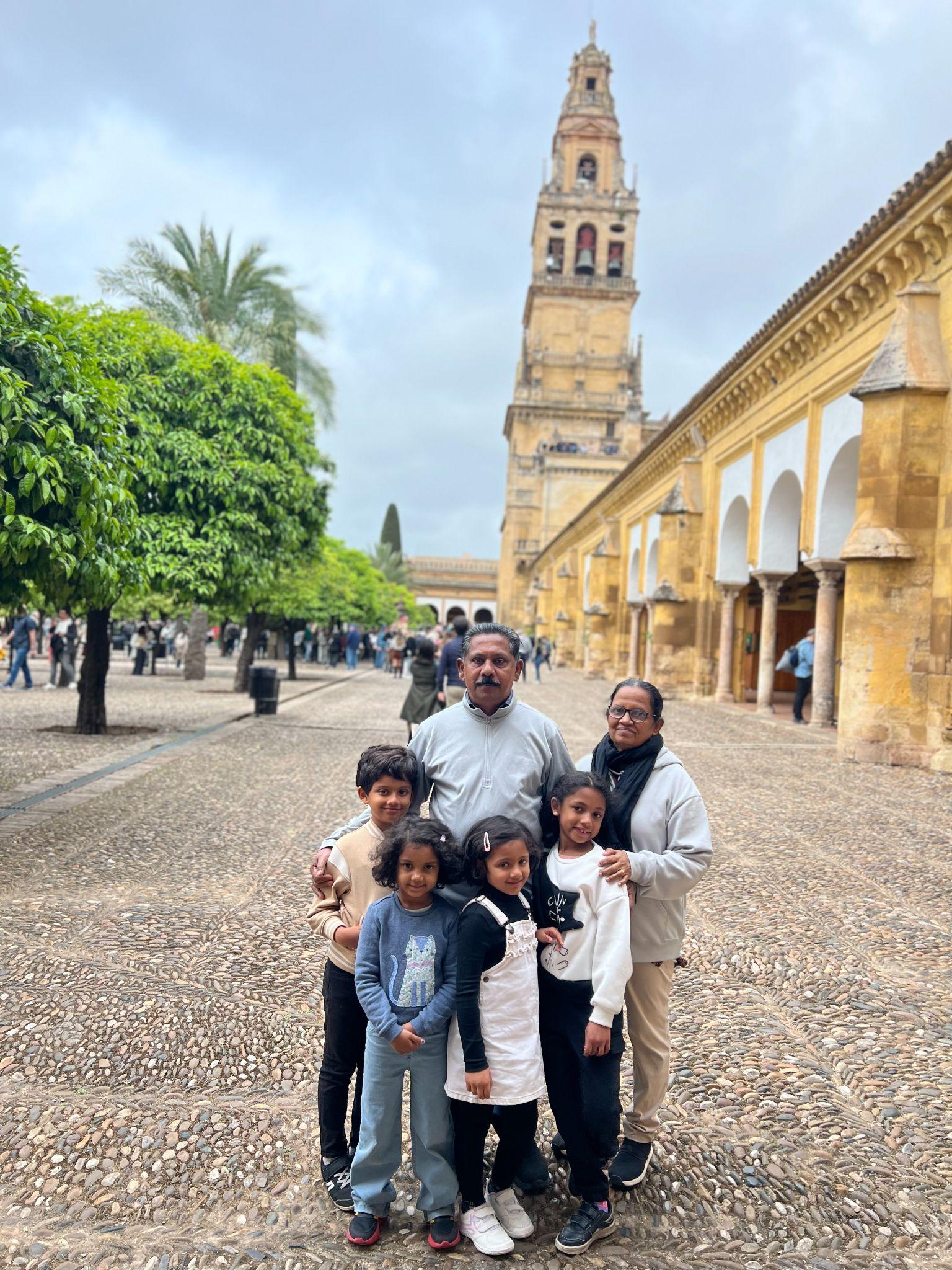
We started at one of the most famous mosques in Spain, the Mezquita. This is a very old mosque that dates back to the eighth century, but was converted to a cathedral after the Christian Reconquest. It was looked after by several Muslim rulers who expanded it each time. What’s most mindblowing about this mosque is that the whole thing is held up on arches! There are arches everywhere, made of orange and white bricks. It’s a wonder how the mosque was constructed! At the top, there’s also a tall minaret which has been changed into a bell tower. There’s also a huge lawn covered with rows and rows of orange trees which are quite famous in Seville.
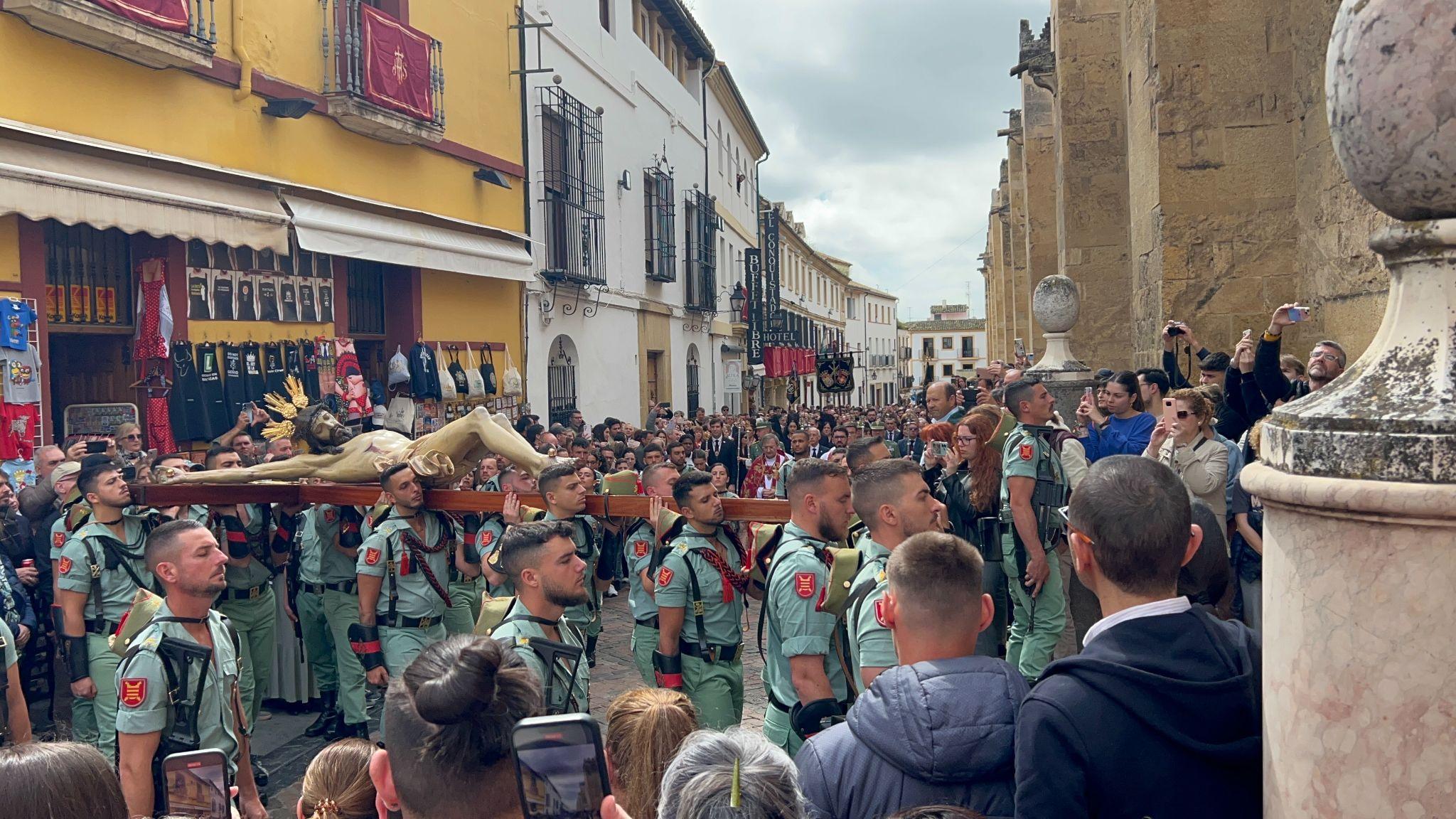
Outside the mosque, we saw yet another procession, this time for holy Thursday. It was called the Cristo de Gracia. There were drummers beating loud drums and musicians playing instruments. The drum beats were so loud that my ears started hurting. Soldiers came marching, carrying a large statue of the crucifix on their shoulders. Some even had real guns!
After the procession ended, we decided to take a stroll around the Jewish quarter, the residing area of many Jewish communities in Spain. We noticed a lot of people queuing up in front of one shop to try out the shop’s signature dish, Tortilla Española (potato omelet). It sounded good so we decided to try it out and it was delicious!
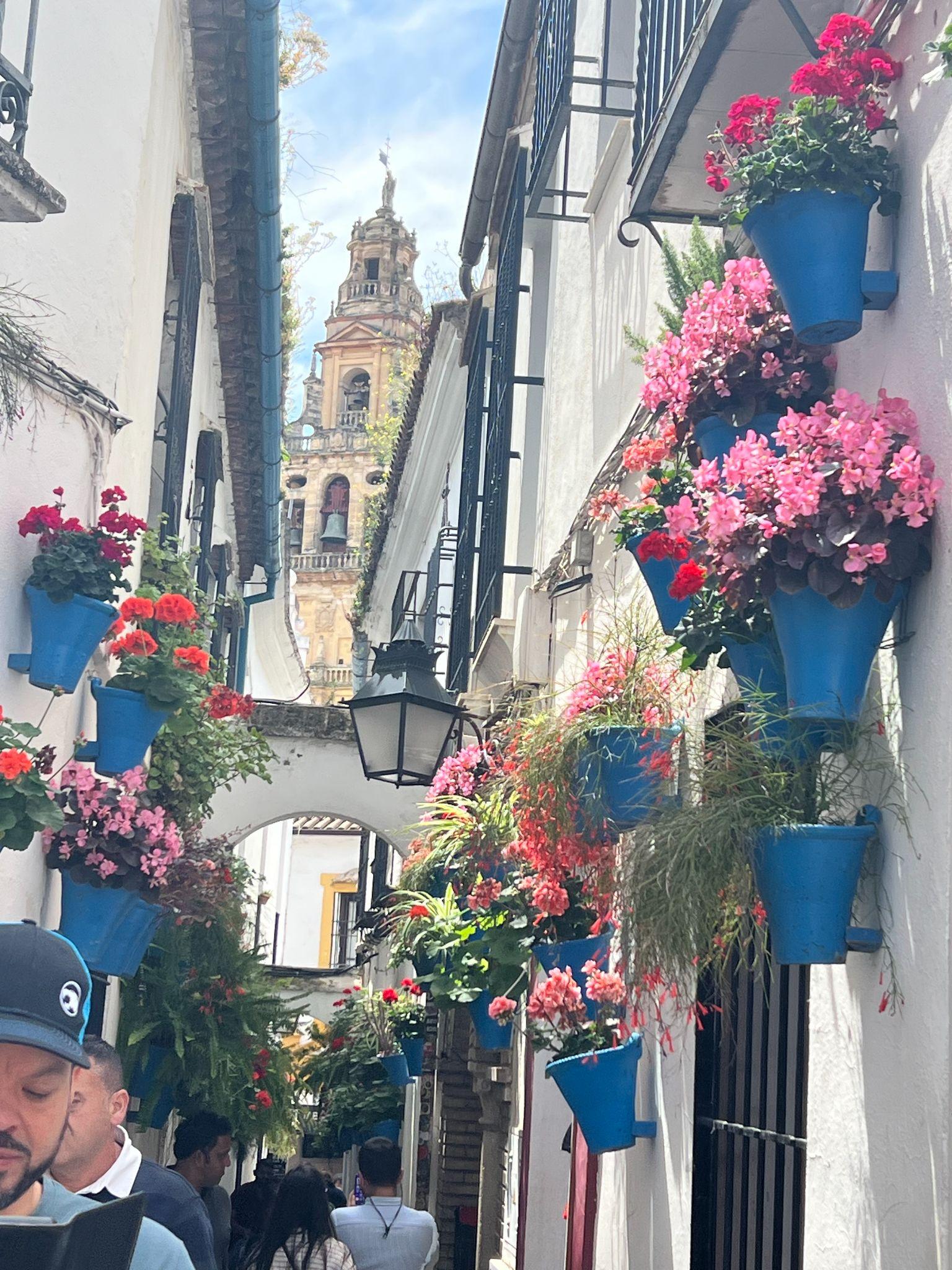
The narrow streets of Cordoba contain many interesting paths such as the Calleja de las Flores (Flower Street) known for the flowers that locals hang on the walls of their houses.
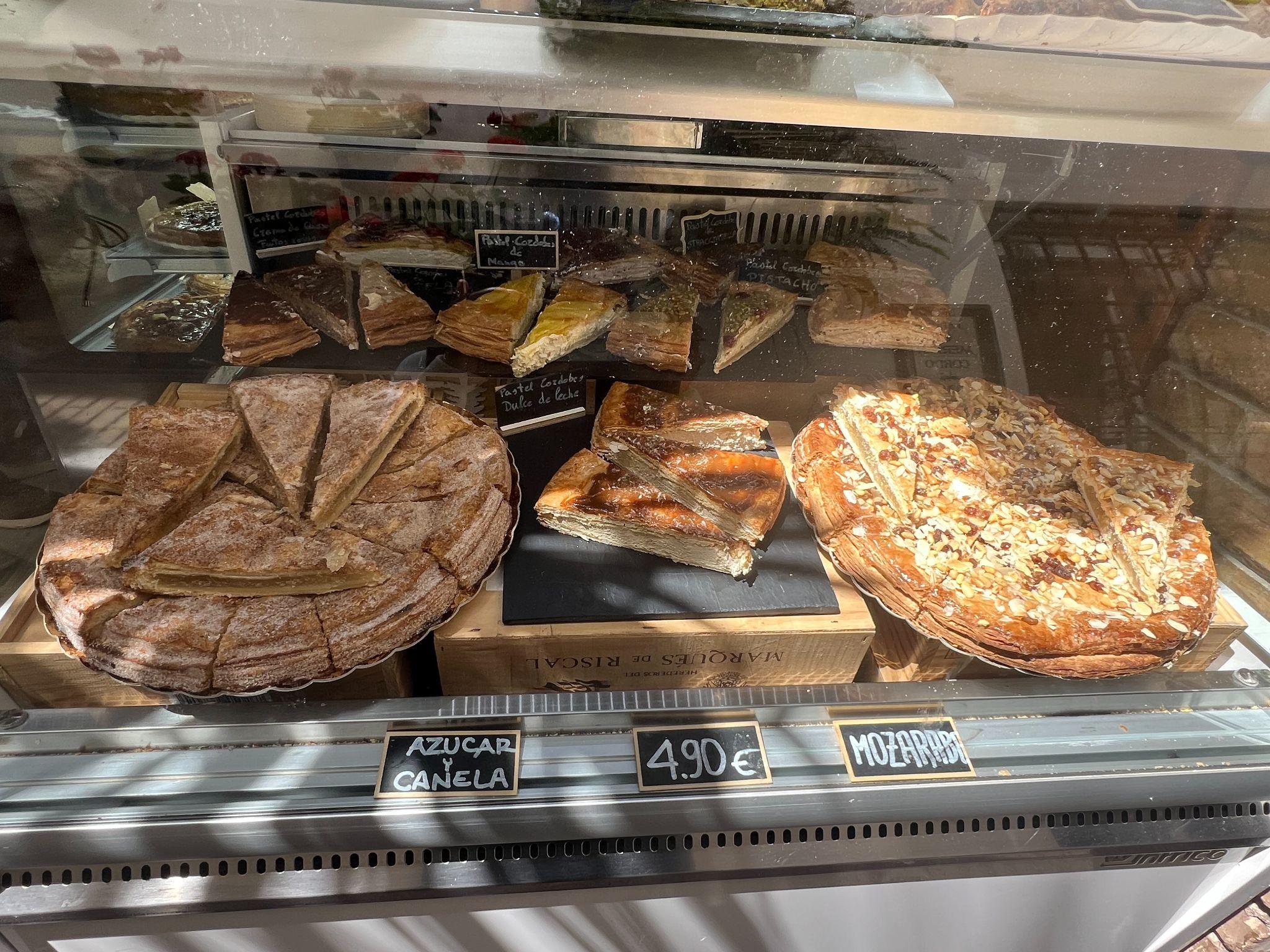
We found a shop selling products made of oranges, like marmalade, juice and even soap and perfume. - as I’d mentioned earlier, oranges are native to Spain. We also discovered a pastry shop selling a local type of pastry a bit like a pie . We all had a big discussion on what flavours we should choose so we went with one international and one local: chocolate and cinnamon.
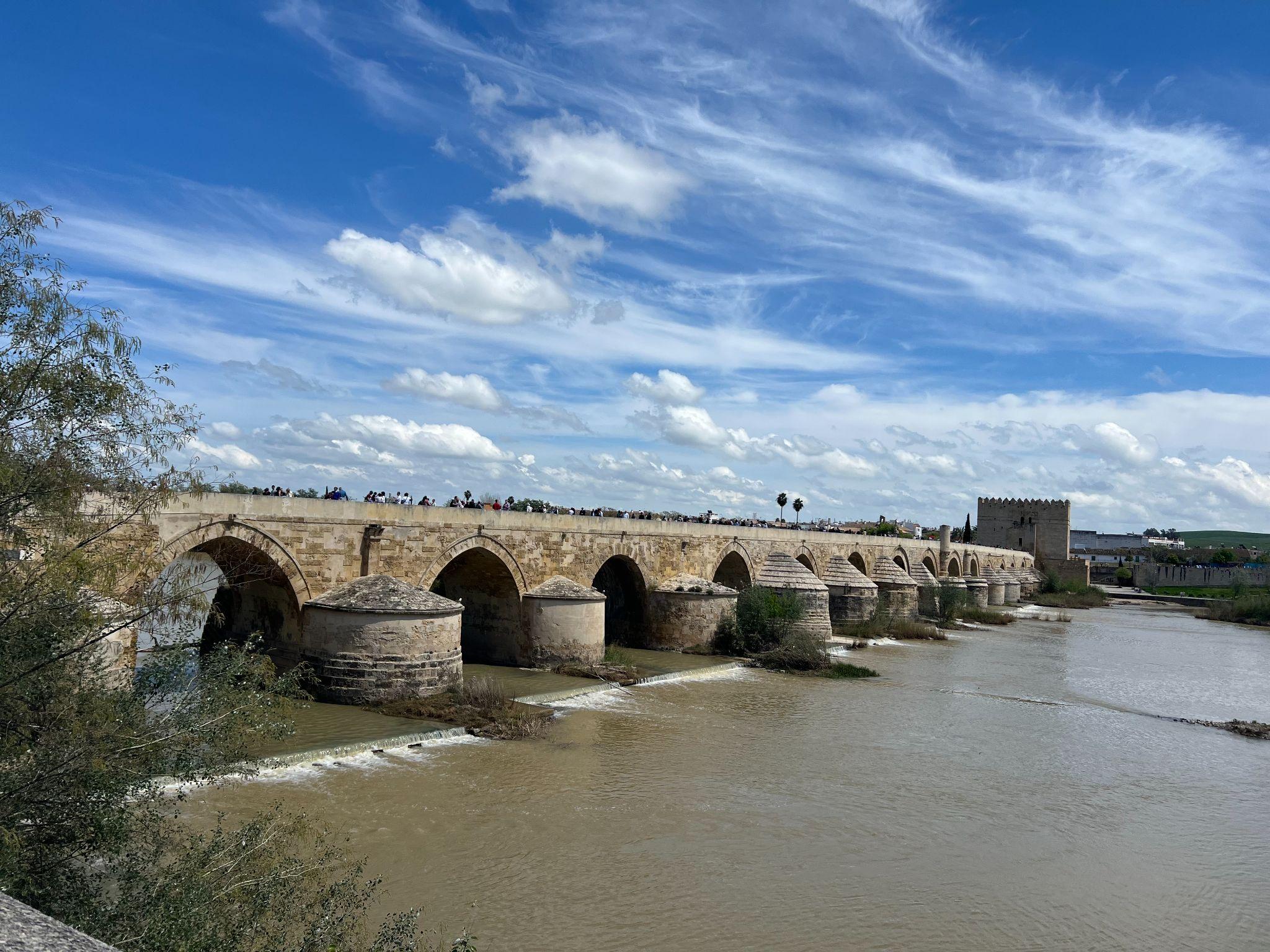
We closed off the day at the Roman bridge, which connects the two sides of Cordoba which were separated by the Guadalquivir river. It made trade for the Romans much easier. It is held up by two arches and has a large gate at the front adorned with beautiful carvings. It was nearly evening by then so we called it a day and drove back to Ecija for the night.
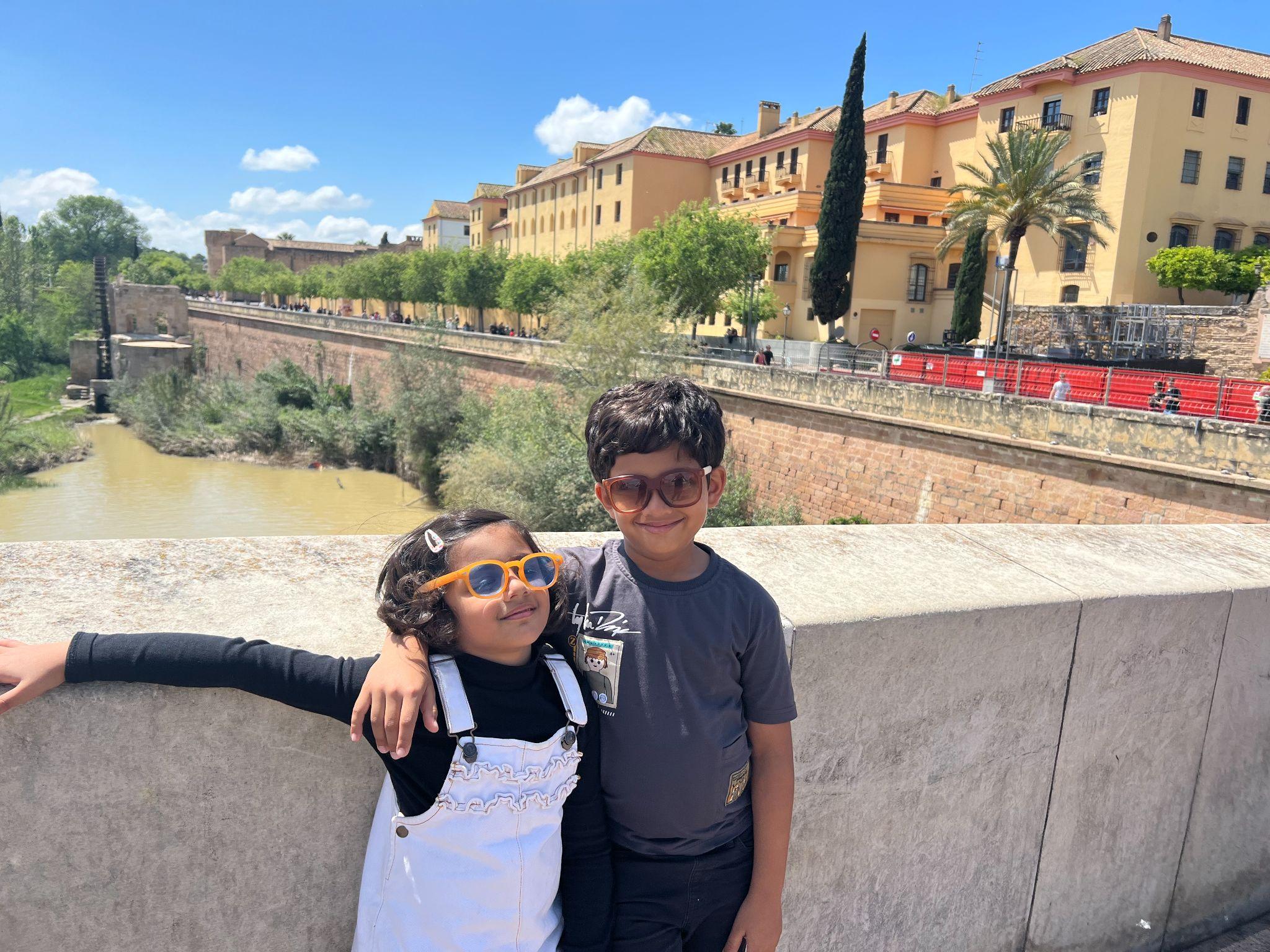
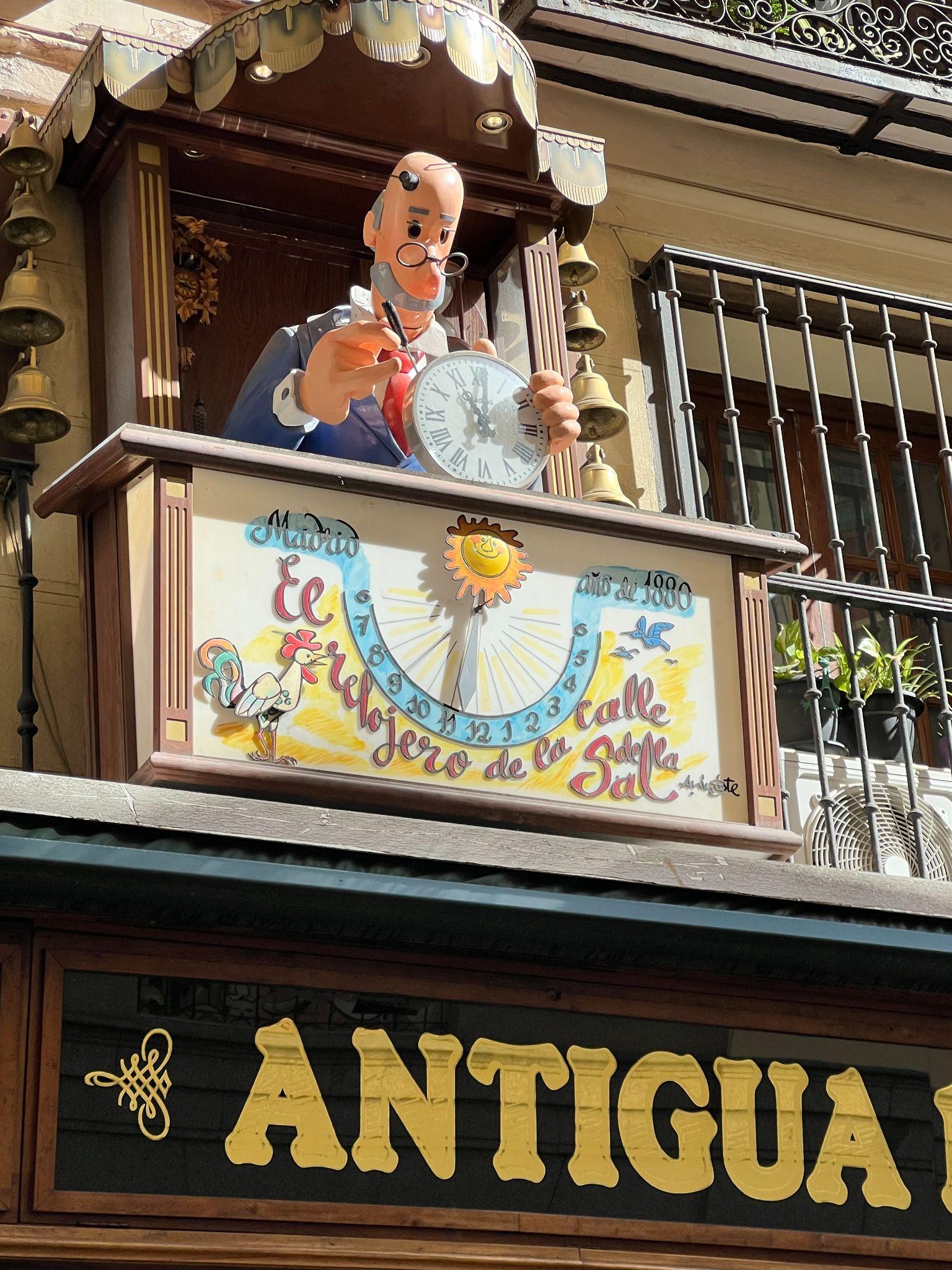
The next day, we left for Seville.
We started around the Seville Cathedral, the largest Gothic Cathedral in the whole world! The Cathedral is actually where the famous explorer Christopher Columbus’s tomb is! We also stopped by the Seville Alcazar, the main fortress built to protect Seville, which later evolved into a royal palace.
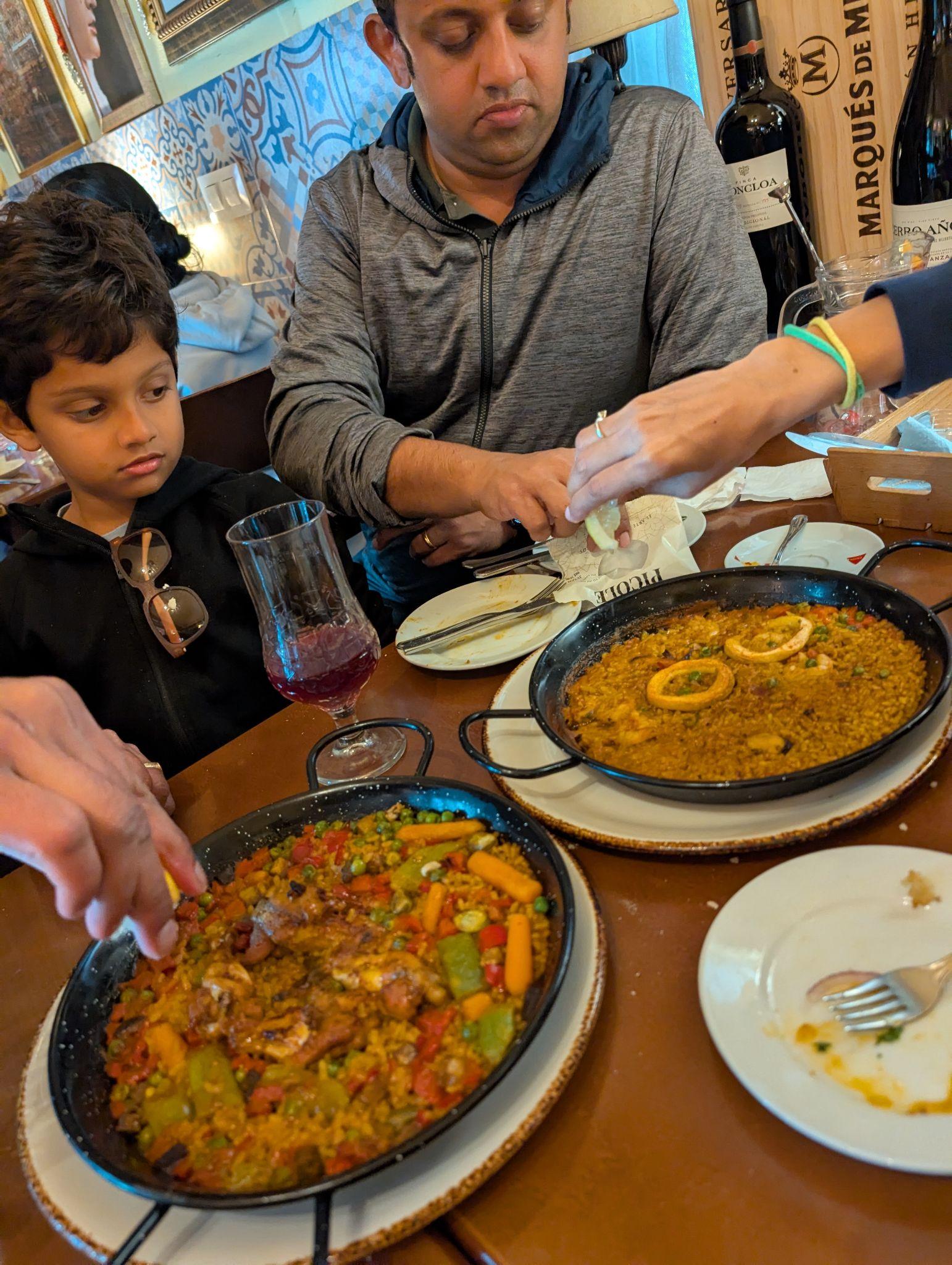
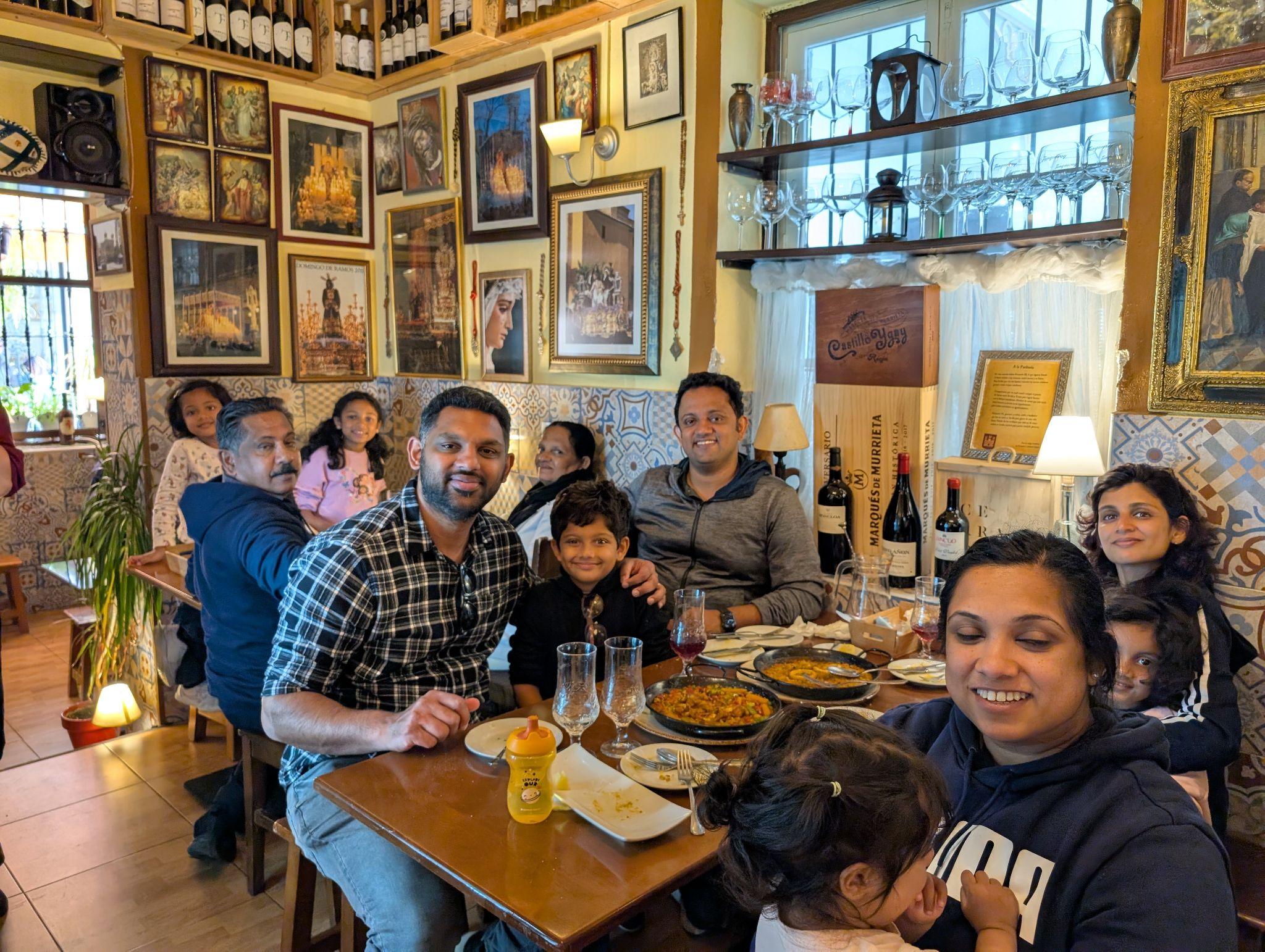
Lunch was a delicious meal of paella, a Spanish rice dish with meat, vegetables and seafood, before driving to the airport for a 1.5 hr flight to Lisbon.
Lisbon Journey
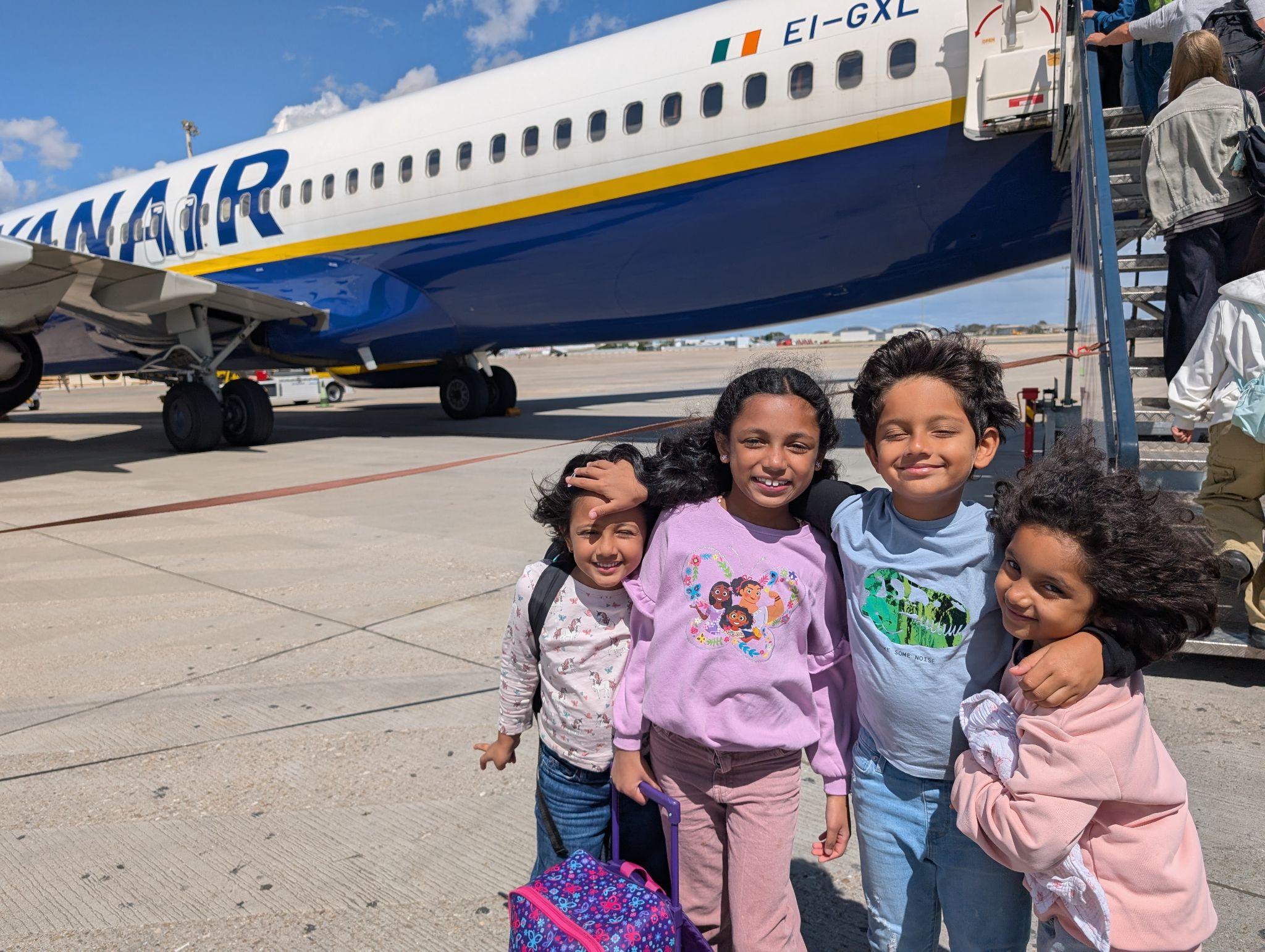
My first view of Lisbon from the airplane was a giant statue of Jesus elevated high in the air and a beautiful port with many ships.
We rented a giant Volkswagen multivan with so much space inside that my cousins and I made a mini casino for playing card games. This way, no one would get bored on long car rides.
Our house was on an inlet a little from the coast of Lisbon. It was a big house and had a lot of space. The hosts were also super nice and they provided us with a delicious home cooked dinner with bread, soup and Portuguese sausages. After dinner, we cut a strawberry cheesecake to celebrate Rebekah’s 7th birthday, thus closing off the day.
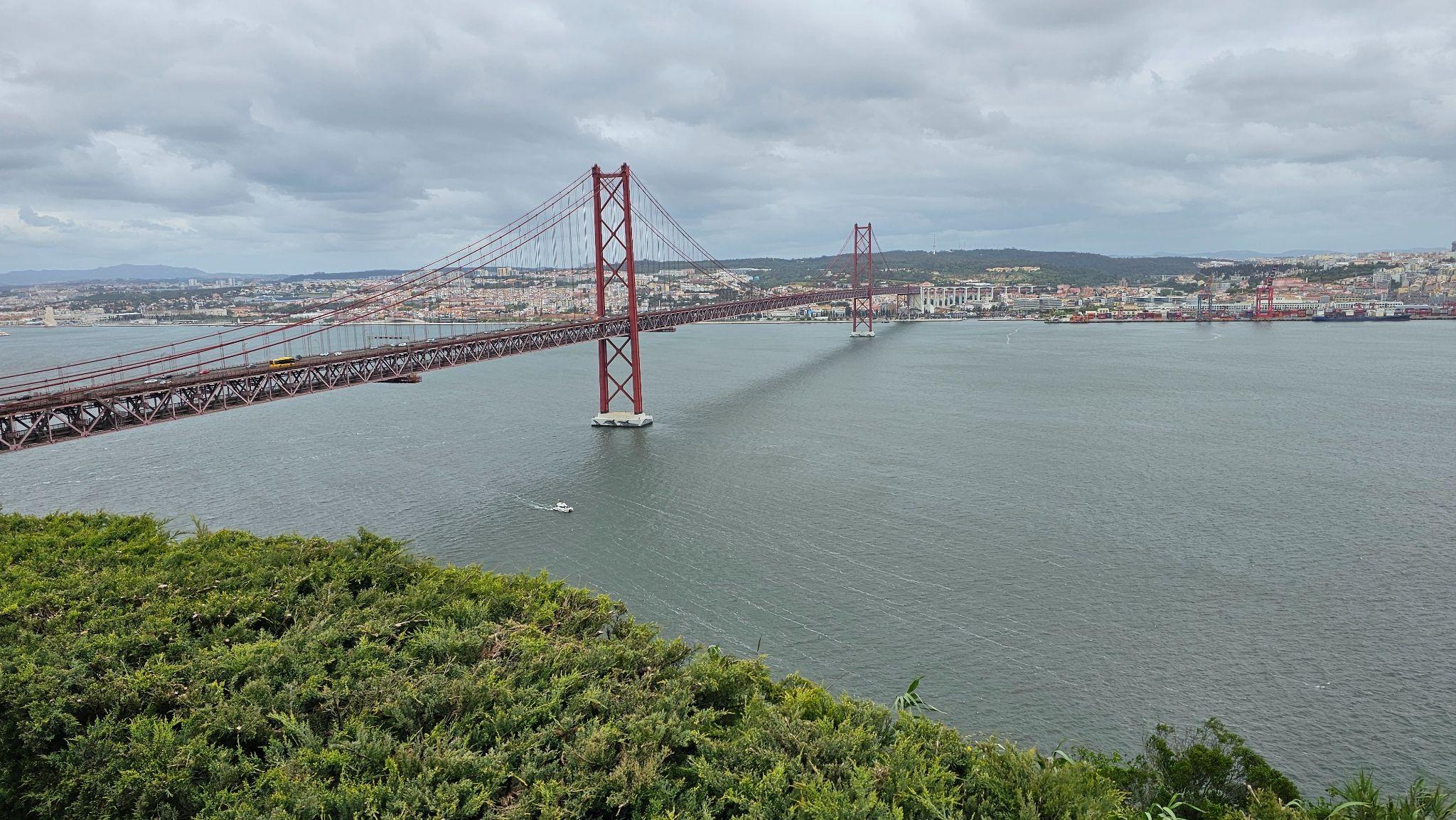
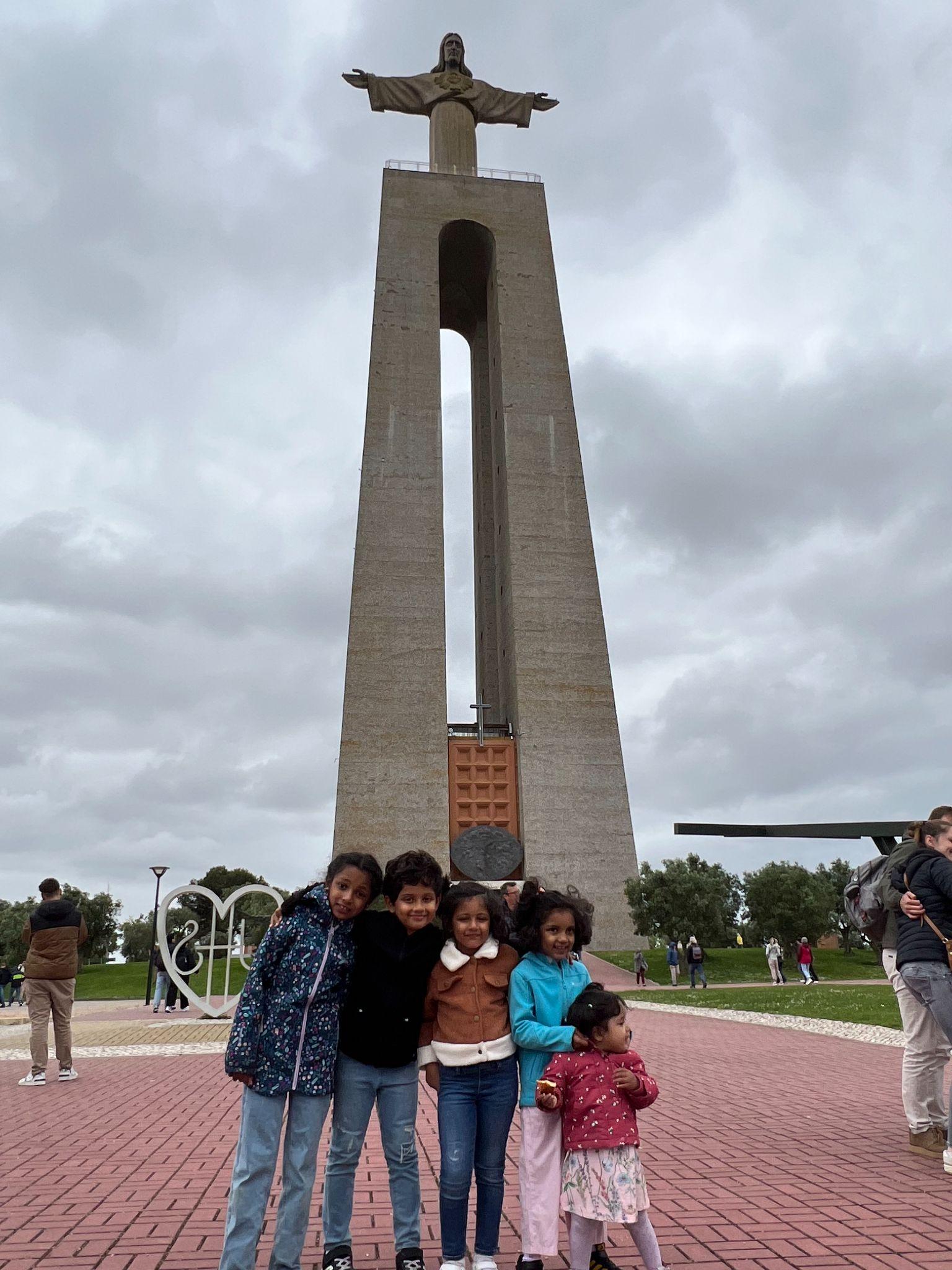
The next day, we started off early and drove to the Sanctuary of Christ the King, which houses the tall statue of Christ that I saw from the airplane overlooking the city. We climbed all the way to the top, excited to see the views but unfortunately, there was a lot of fog and it was extremely windy.
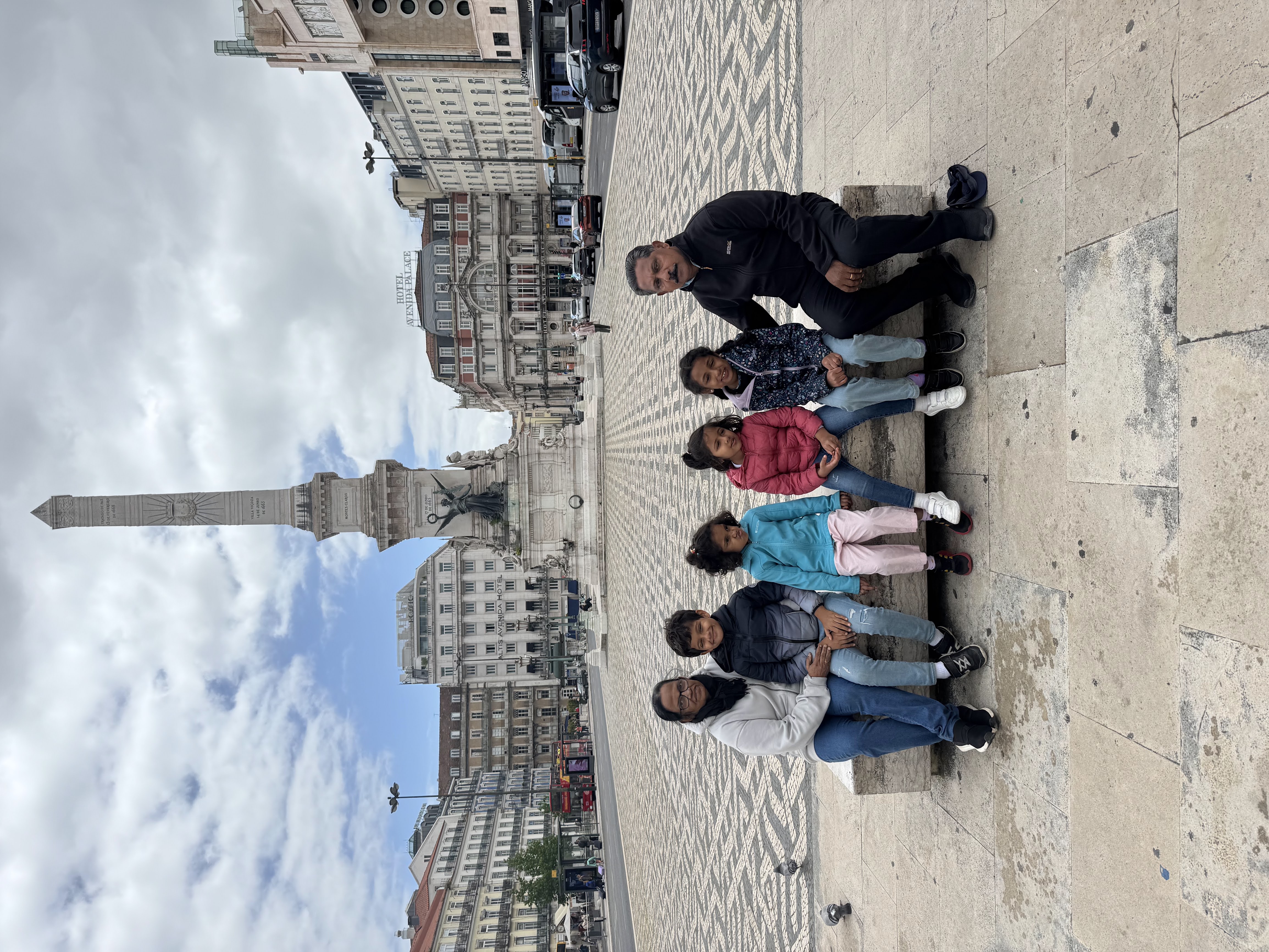
Next, we drove to the central part of the city. Lisbon has very colourful houses, in different shades of blue, yellow and pink. It looked like a rainbow! We started at Restorers Square, dedicated to the restoration of Portuguese independence. In the middle stood the tall, white Monument to the Restorers. It looked a lot like a minaret.
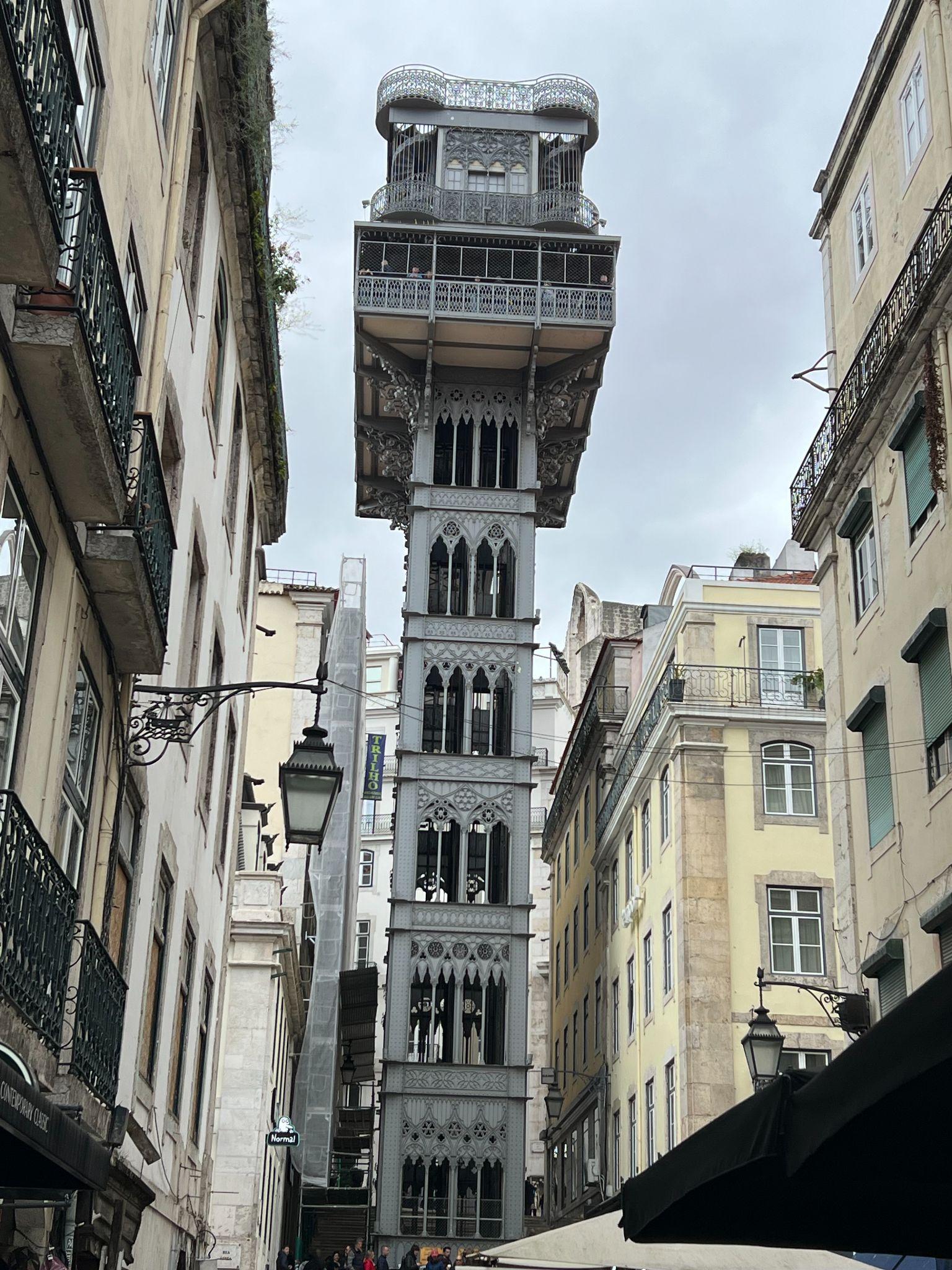
We also passed the Rossio Railway Station with a large clock in the middle and the Santa Justa Lift, an iron structure with a lift, standing 45 meters tall! It was designed by Raoul de Mesnier du Ponsard, apprentice to Gustave Eiffel (of the Eiffel tower fame).
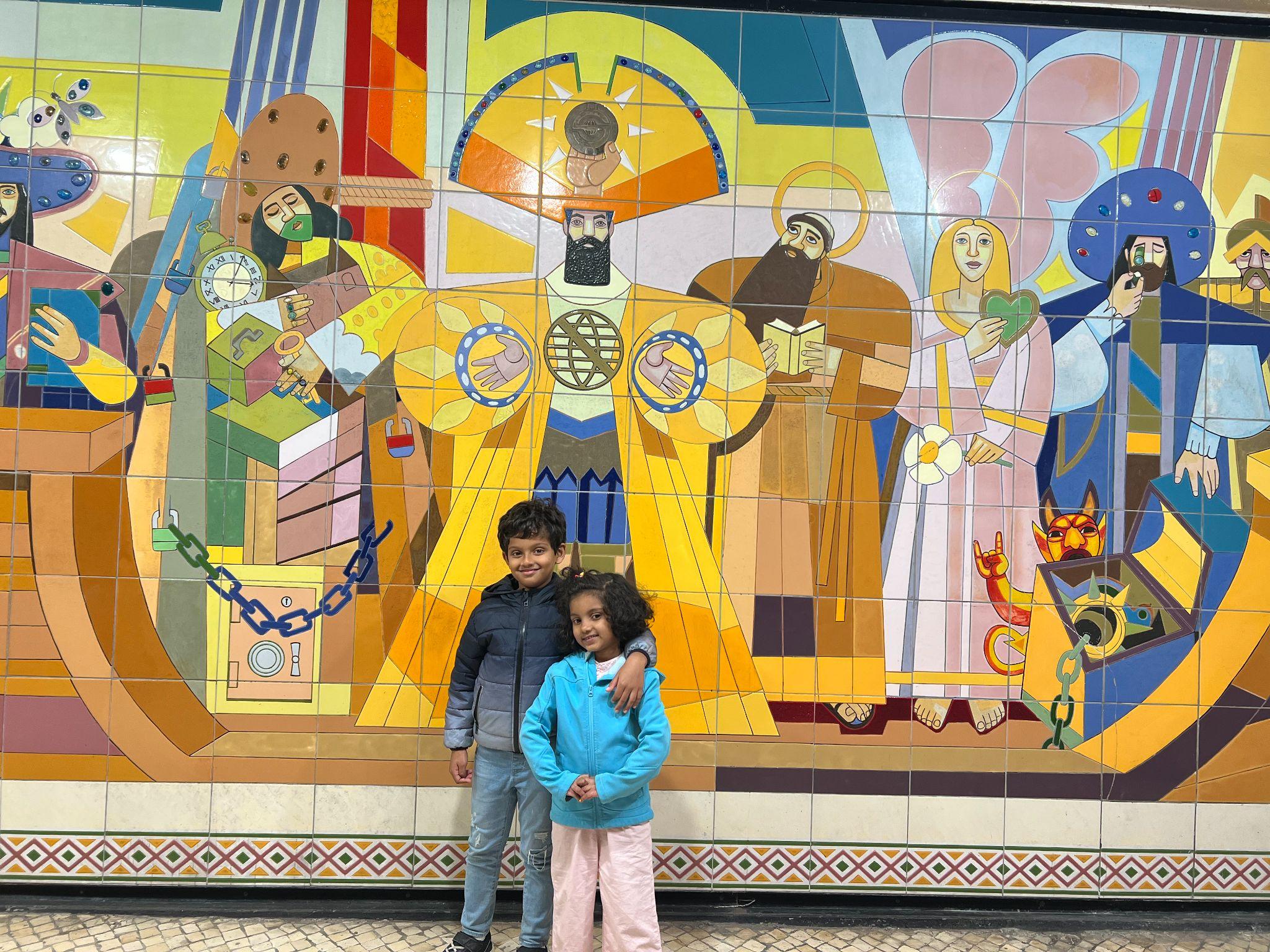
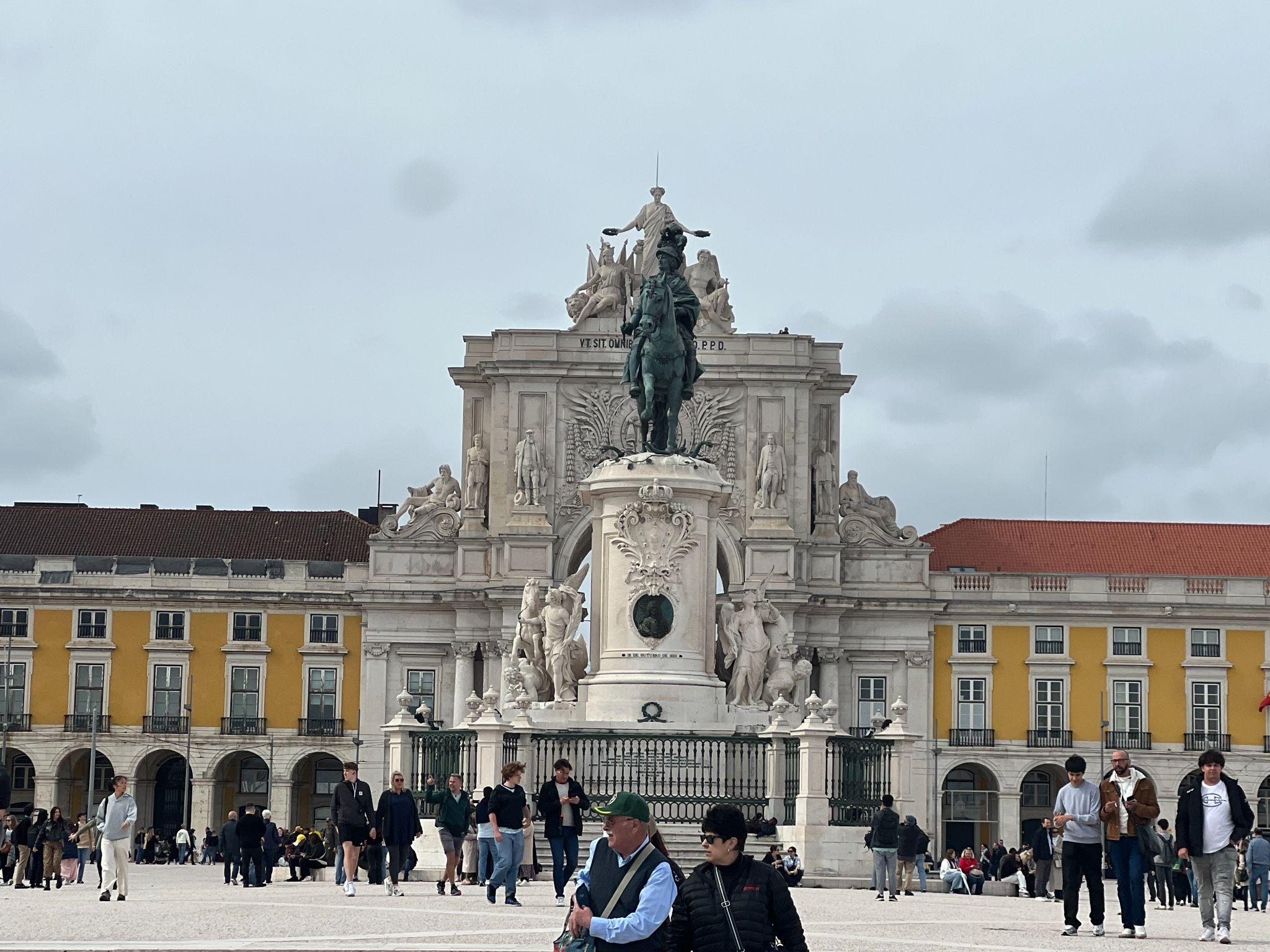
We also visited the Praça do Comércio, a large, harbor-facing plaza. It was surrounded by many bright yellow buildings and in the center was the equestrian statue of King Joseph I. The plaza is a symbol of the rebirth of the city after a devastating earthquake in 1775. Despite the crowd, there was so much space to run around so my cousins and I played tag and took funny pictures of each other. I saw many seagulls in the air so I started following them till a point where the steps of the plaza started leading into the water!
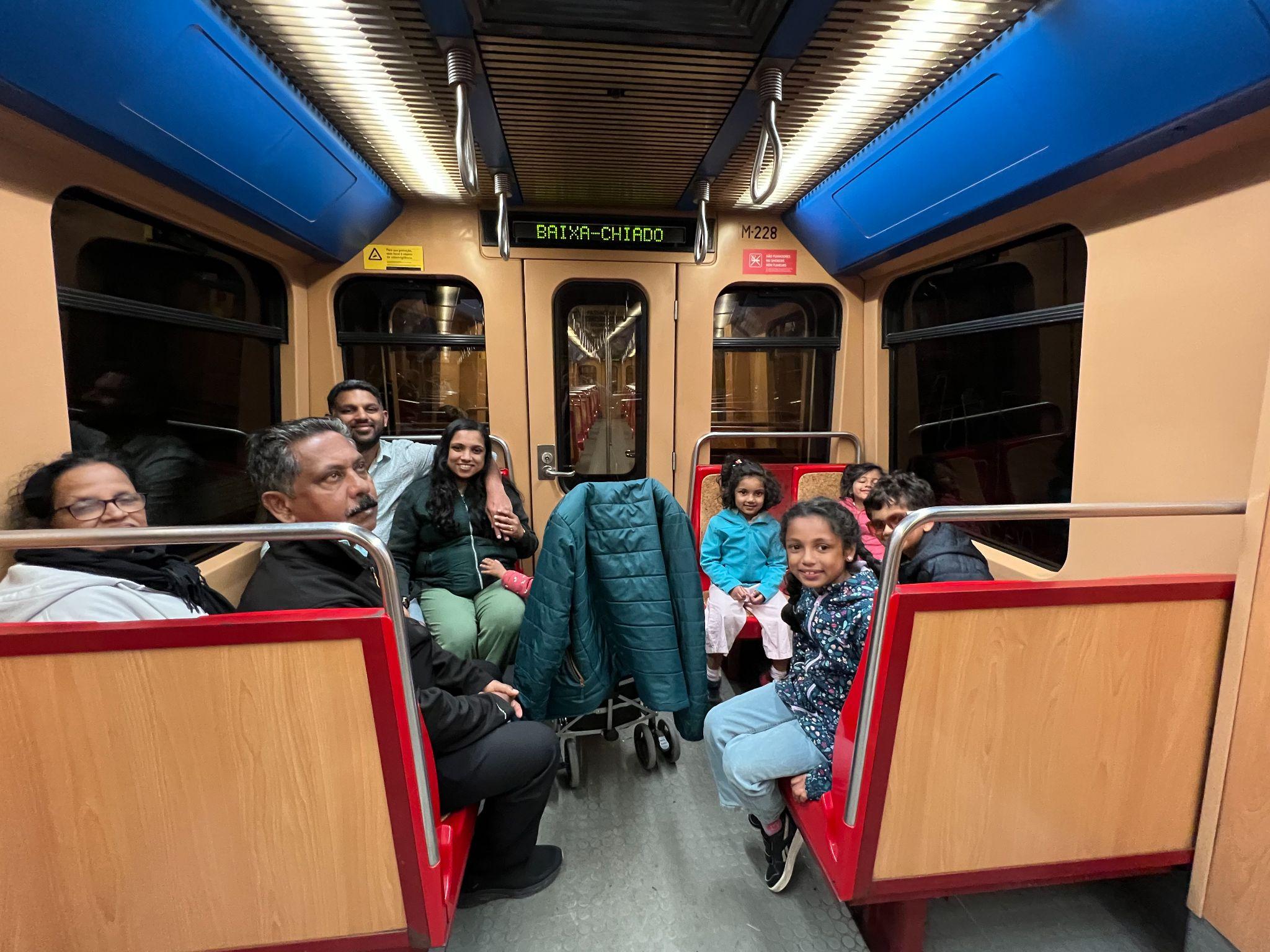
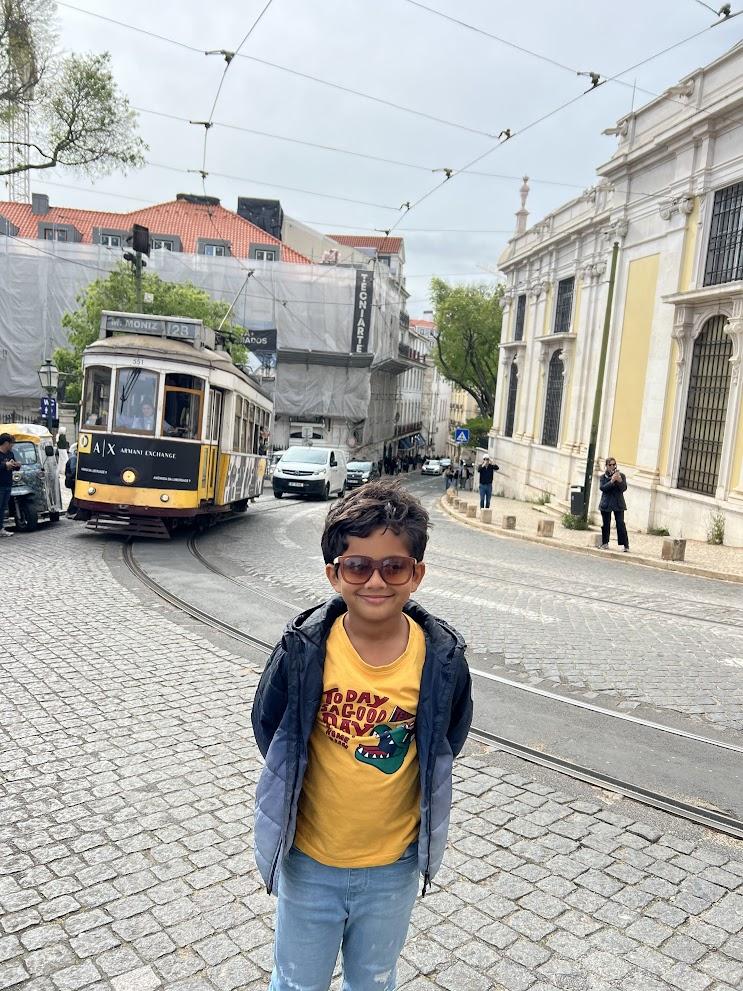
We continued our journey to the Lisbon Cathedral for Easter mass. The Cathedral is the oldest one in Portugal. Passing by us before we went inside was Tram 28, Lisbon’s most famous tram. It’s known for its path that passes through all the city landmarks in Lisbon.
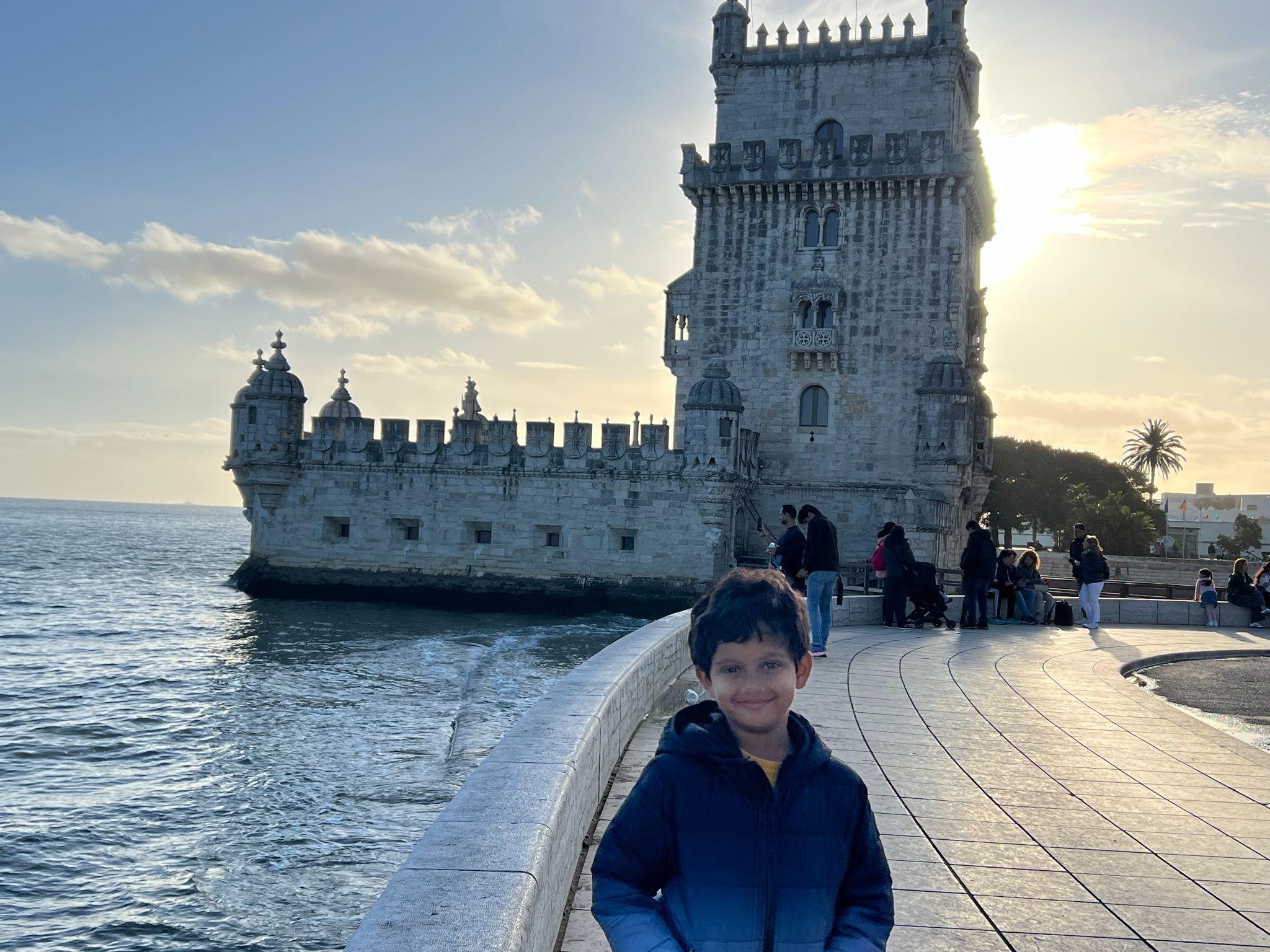
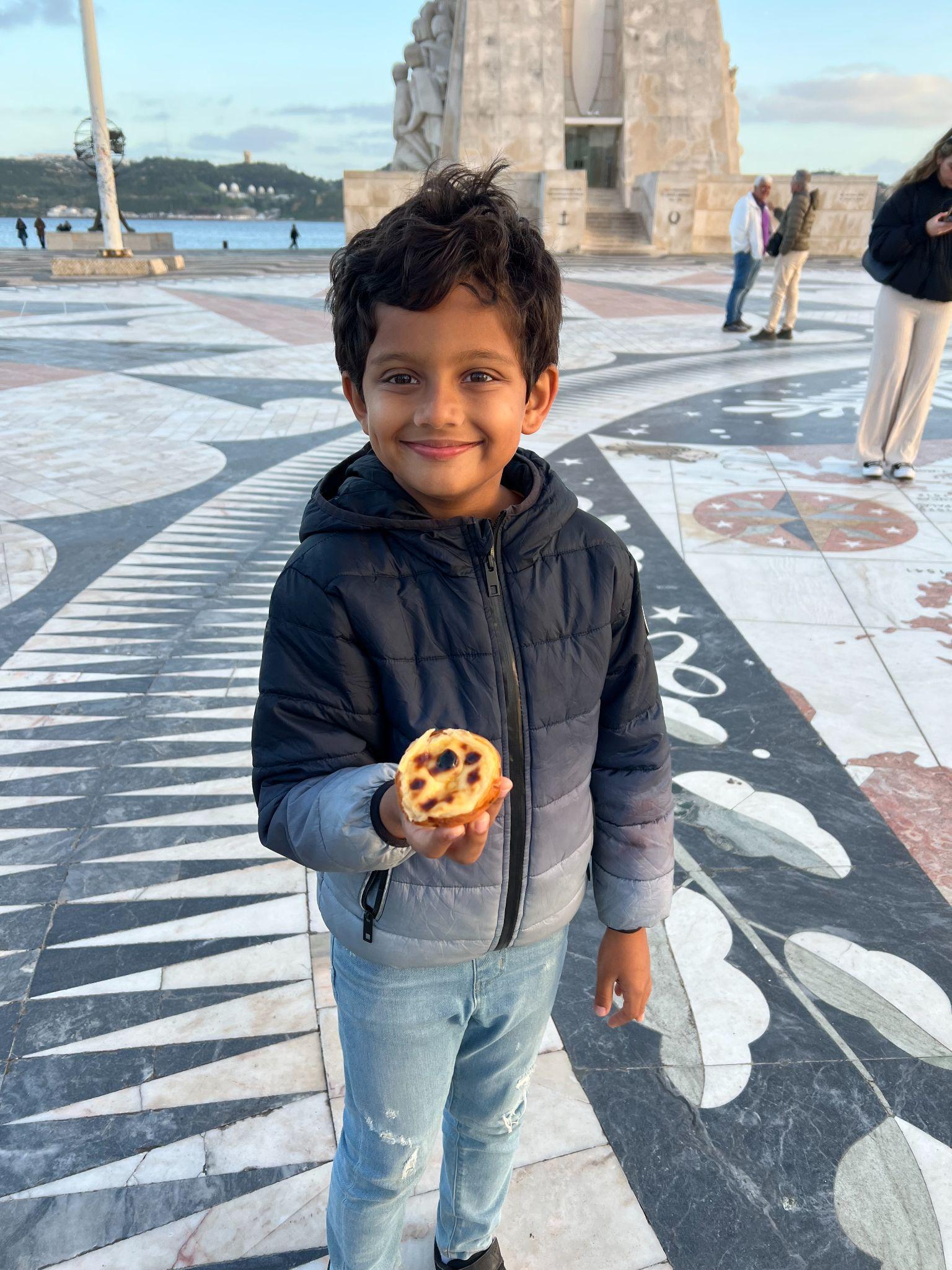
Our final destination for the day was near the coastline where we decided to take a seaside walk. We started at the Belem tower. This tower was used to protect Lisbon from naval attacks, but also served as an entrance to foreign visitors. On the edge of the walkway, there was a slope leading into the sea. Suddenly, I saw a sea bus going down the slope and splashing into the water! I didn’t know that there were sea tours around Lisbon.
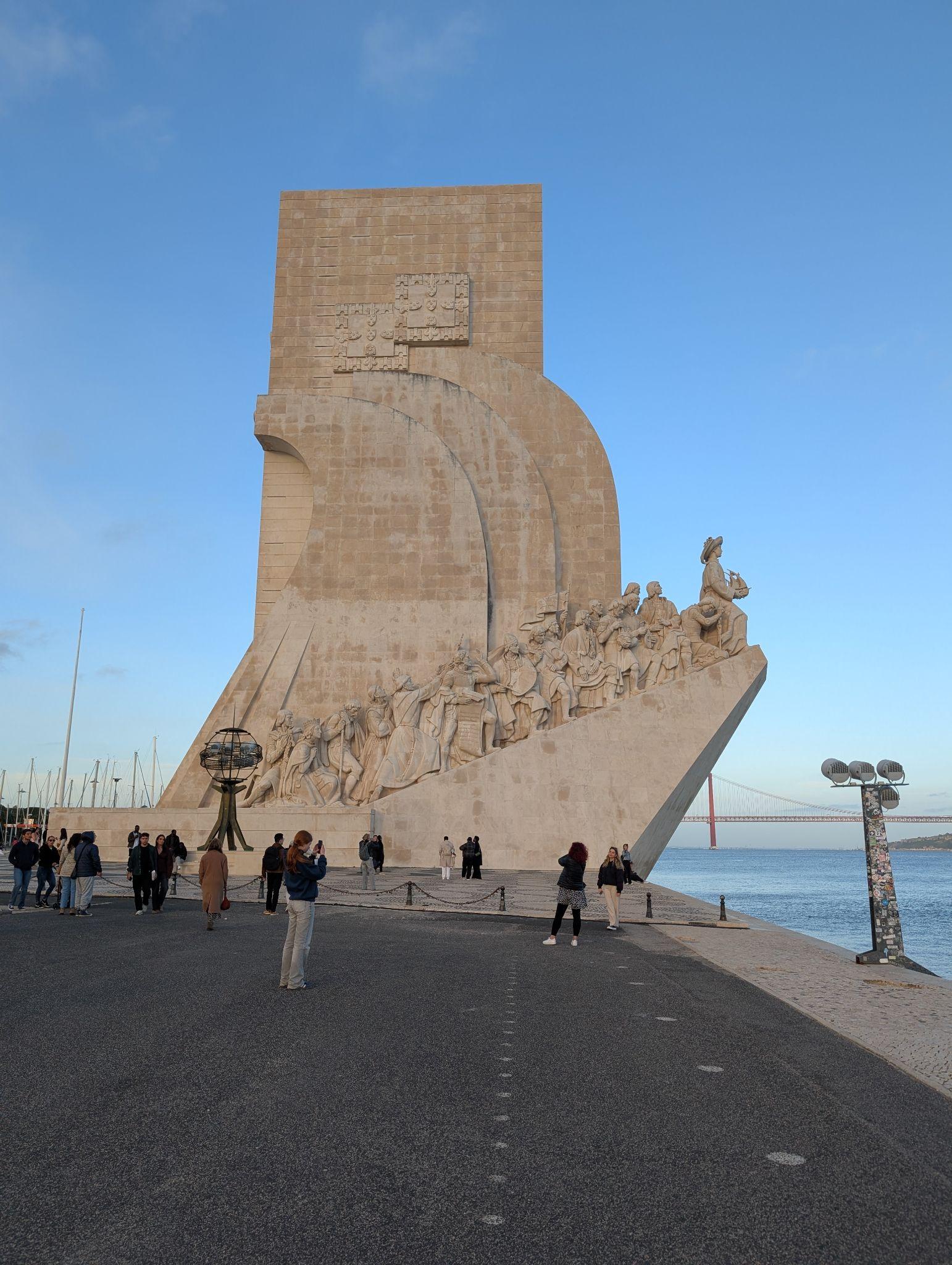
Soon, we reached the Monument of Discovery, a monument depicting a ship with a group of sailors sailing to the Bulging Cape. The monument was dedicated to the great explorer Henry the Navigator who was the first to successfully sail across the Bulging Cape (now called the Cape of Good Hope).
Now, everyone was hungry so my mom and uncle went to one of the most famous shops in Portugal, the Pastéis de Belém. It is known for having the best egg tarts in Portugal (egg tarts are a Portuguese speciality). These egg tarts are said to be made by the monks residing in the nearby Jeronimos Monastery, which we could see from the coast. The egg tarts were hot with a crunchy pastry and custard in the middle. They were so good that I finished mine in three bites!
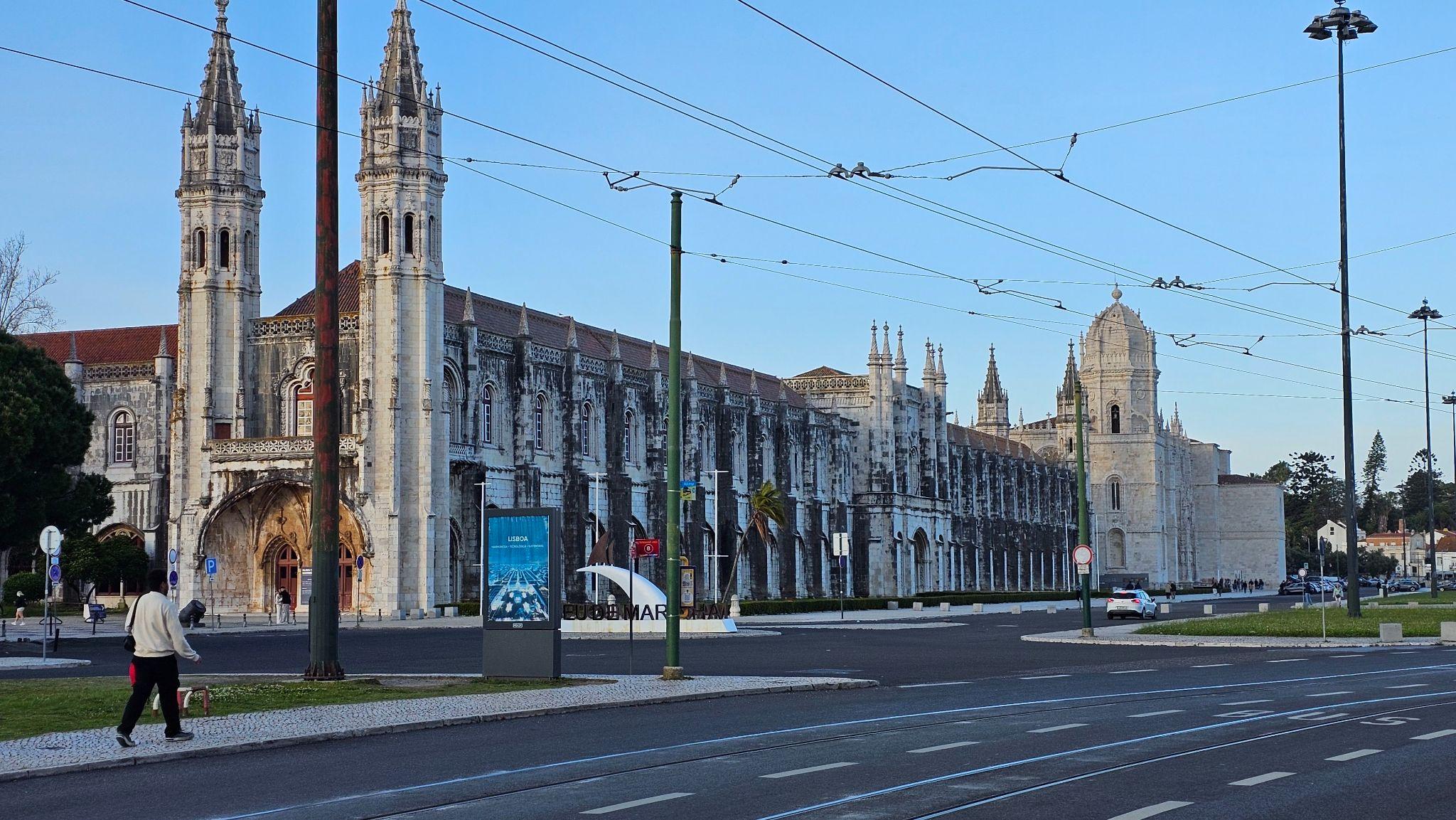
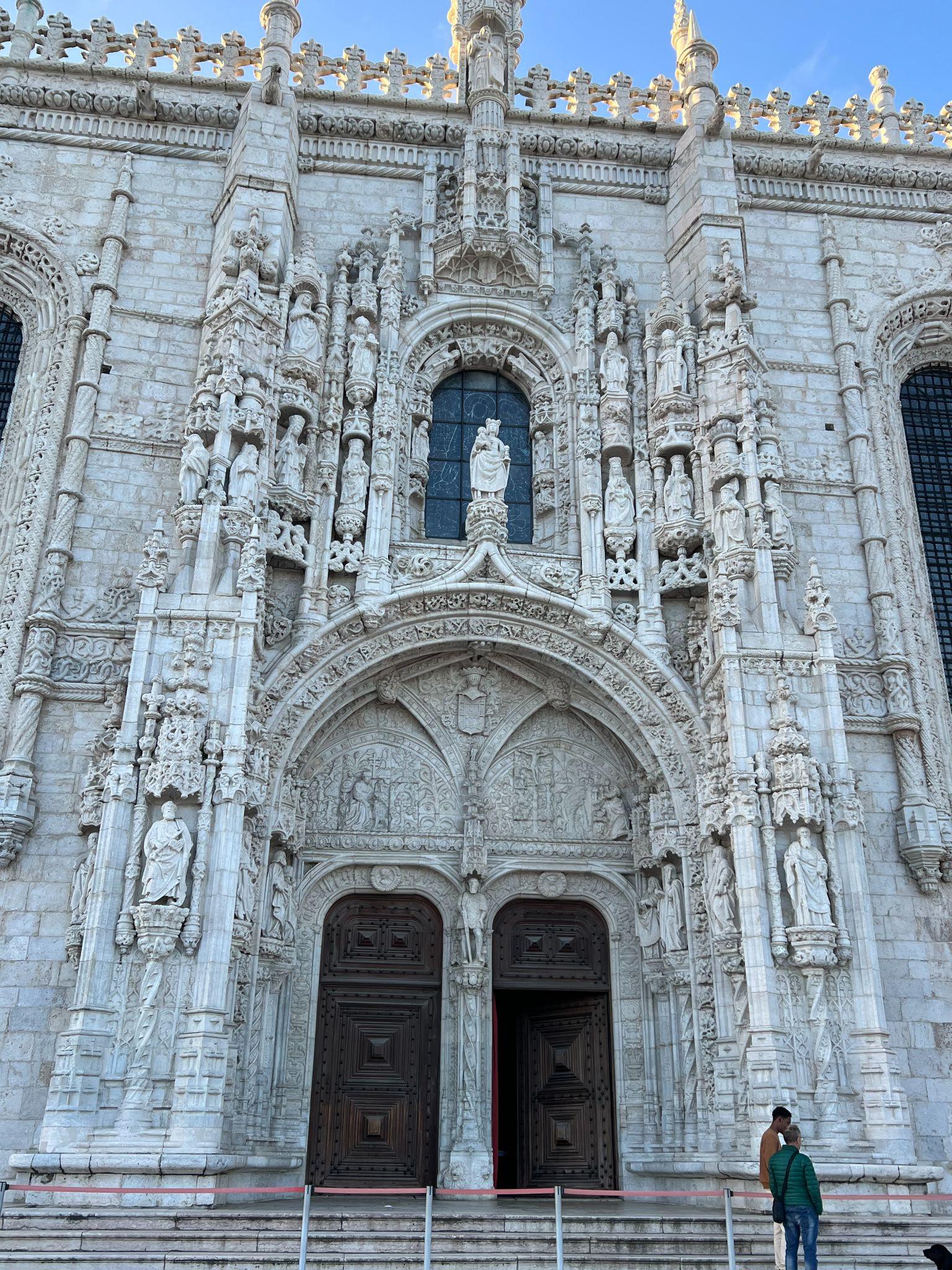
The next day, we drove up into the tall, misty mountains of Sintra, just a little north of Lisbon. Our plan was to visit two famous palaces: the Quinta da Regaleira and the Palace da Peña.
The Quinta da Regaleira is an old piece of property that belonged to a very rich man. He was really interested in the Knights Templar — a group of brave soldiers from the time of the Crusades who had lots of mysteries and secret traditions. Because he loved their stories so much, he filled his whole property with symbols and hidden meanings. It felt like everything around us had a secret message!
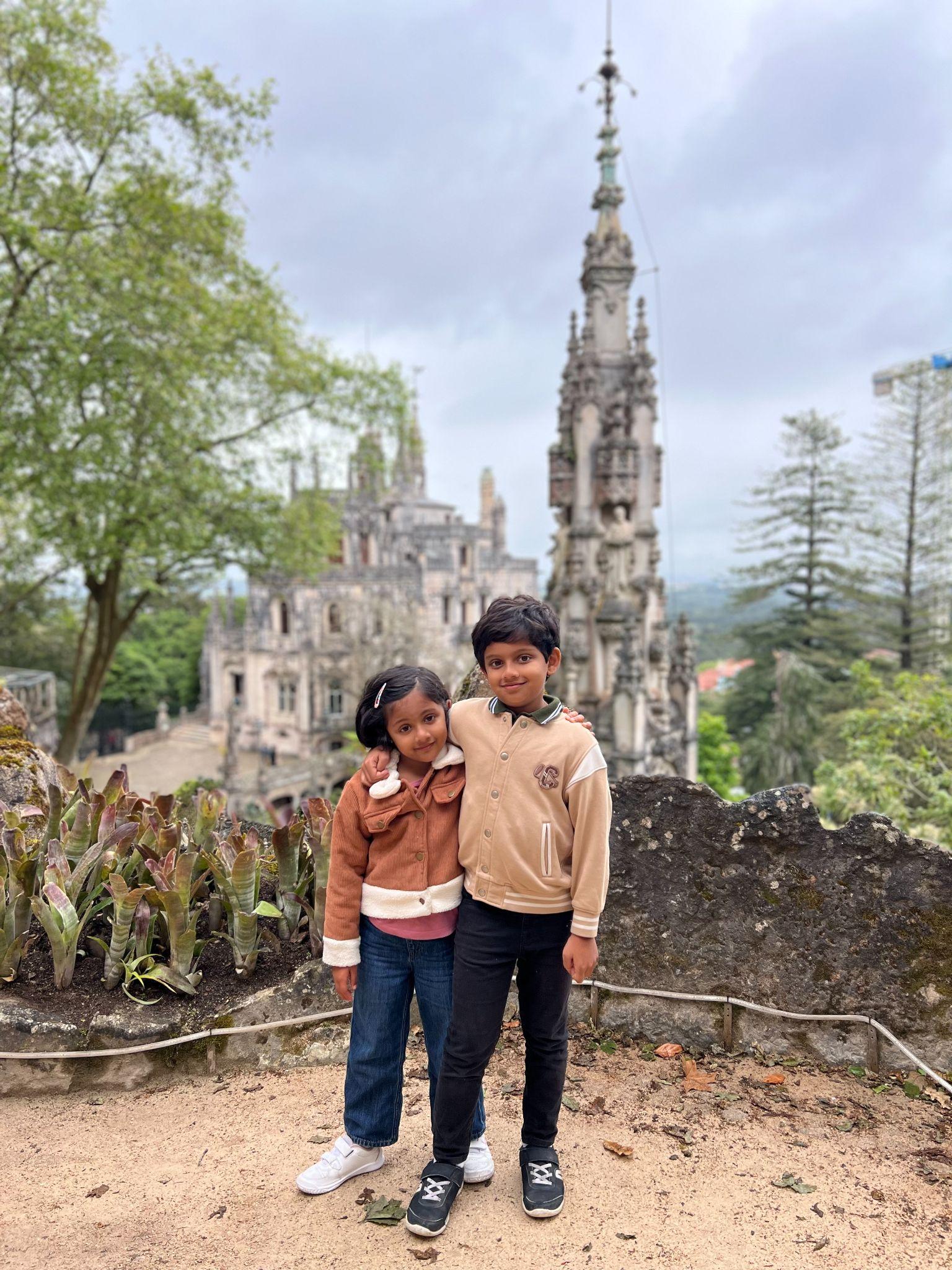
My favourite part was the Initiation Well. It wasn't any normal well. It was like a giant spiral staircase going deep underground, twisting round and round until you reached the bottom. It was where the Templars used to do special rituals. It led down into a narrow tunnel, illuminated in dazzling lights. It felt a little spooky. We continued forward in the tunnel passing massive pillars rooted in the ground like a giant maze. We ended at a splashing waterfall!
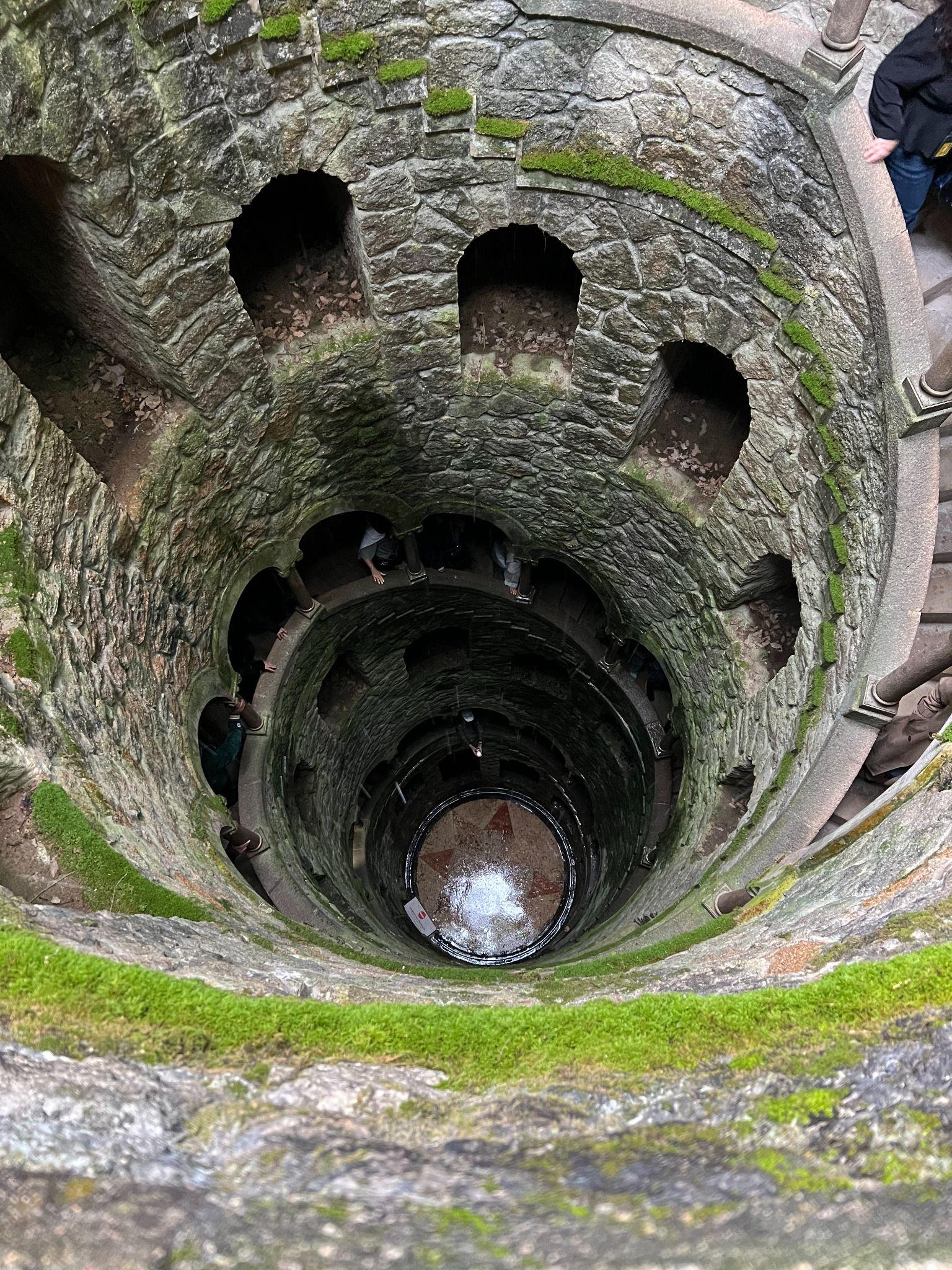
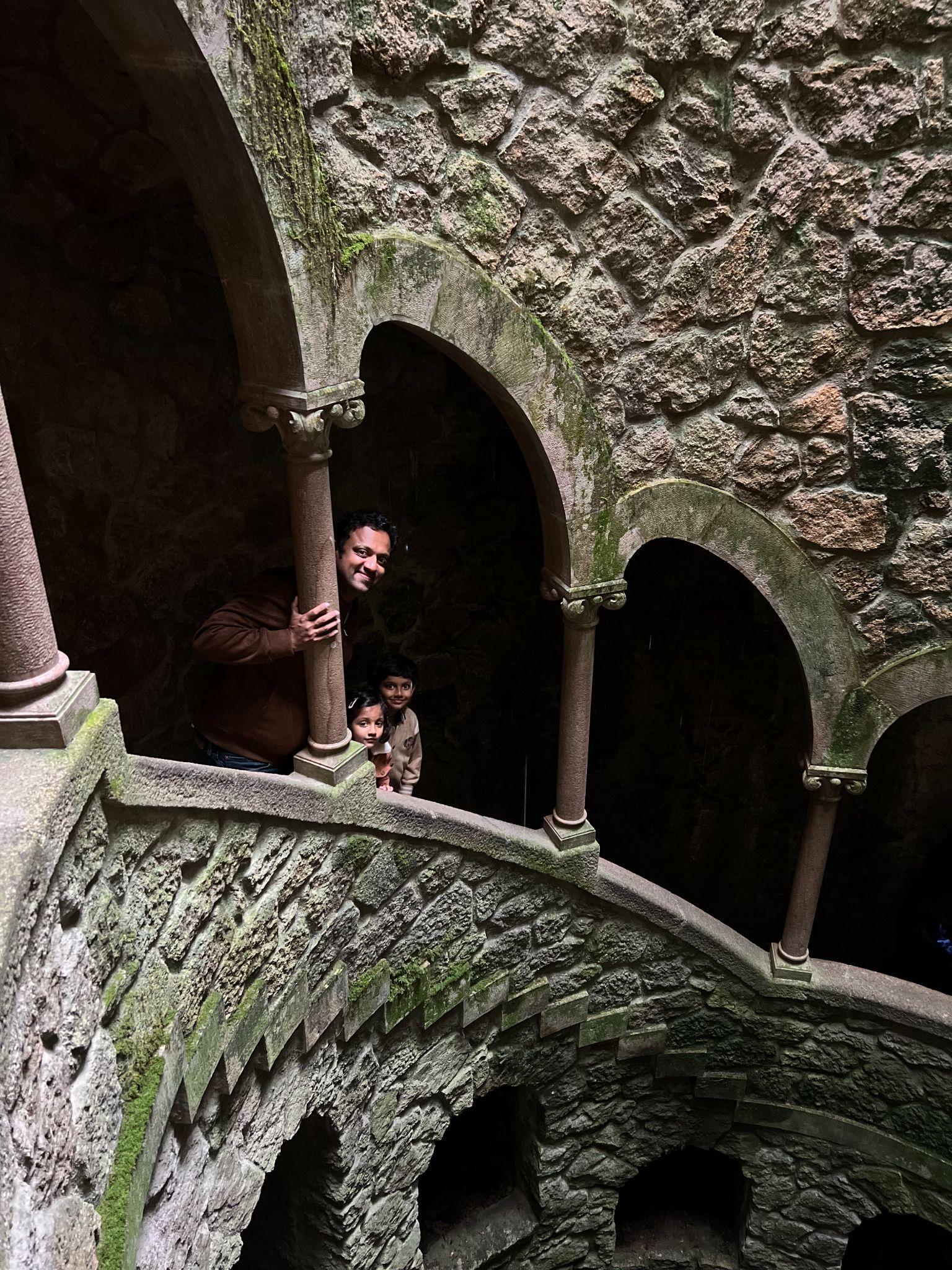
But even though Sintra is amazing, it also has a big scam you have to watch out for. Firstly, there was no fixed parking at either the Quinta da Regaleira or the Palace da Peña. Instead, there were people standing around charging a lot of money for parking. The only way to get to the Palace da Peña is by taking a guided tour by van which my dad and uncle were complaining that they were ripping us off for. Plus, it started raining really hard and everyone was cold and wet so we decided to call it a day and head back to Lisbon without visiting the Palace da Peña.
Douro Valley Wine Region
It’s a two hour drive from Lisbon to Douro Valley. We stopped en-route at a small town called Fatima famous for being the site where the apparition of the Virgin Mary was spotted. It is a really important place for pilgrims to visit and we saw many large groups of people from different parts of the world all around the place. We even met people from Kerala in India, my home state. . There was a giant bonfire and people were lighting candles.
After Fathima we set off and soon, we reached the outskirts of Douro, and honestly, my jaw almost dropped. The Douro River shimmered like a diamond, winding its way between enormous hills that were completely covered in neat little wine terraces. It looked like there were stairs on the mountains! I’d never seen anything like it before.
We stopped right beside the river for a scenic lunch of pizza before closing off the day at one of the many scenic spots in Douro. It was a tiny ledge high above the river, and when I looked down, the hills and terraces stretched out like a giant green path. It was like I was in a postcard.
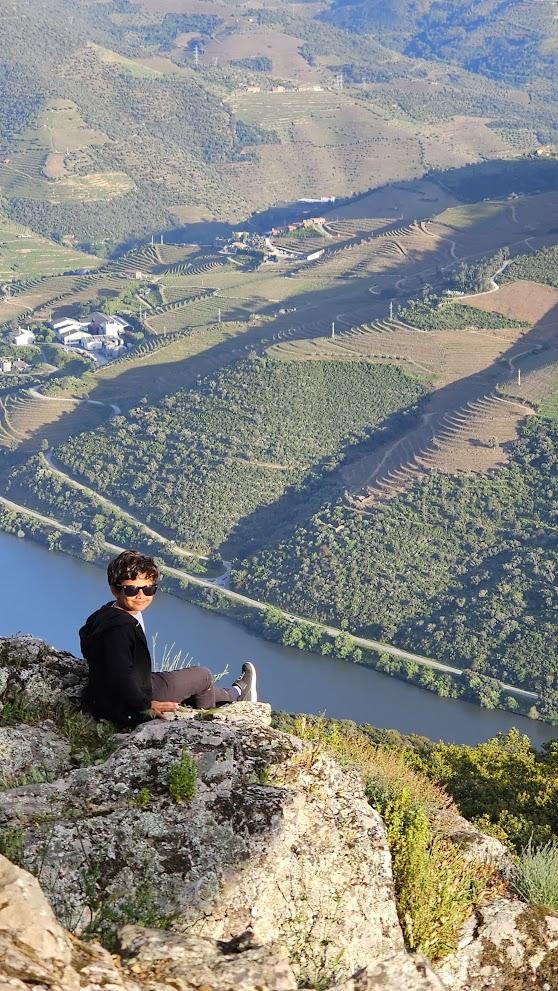
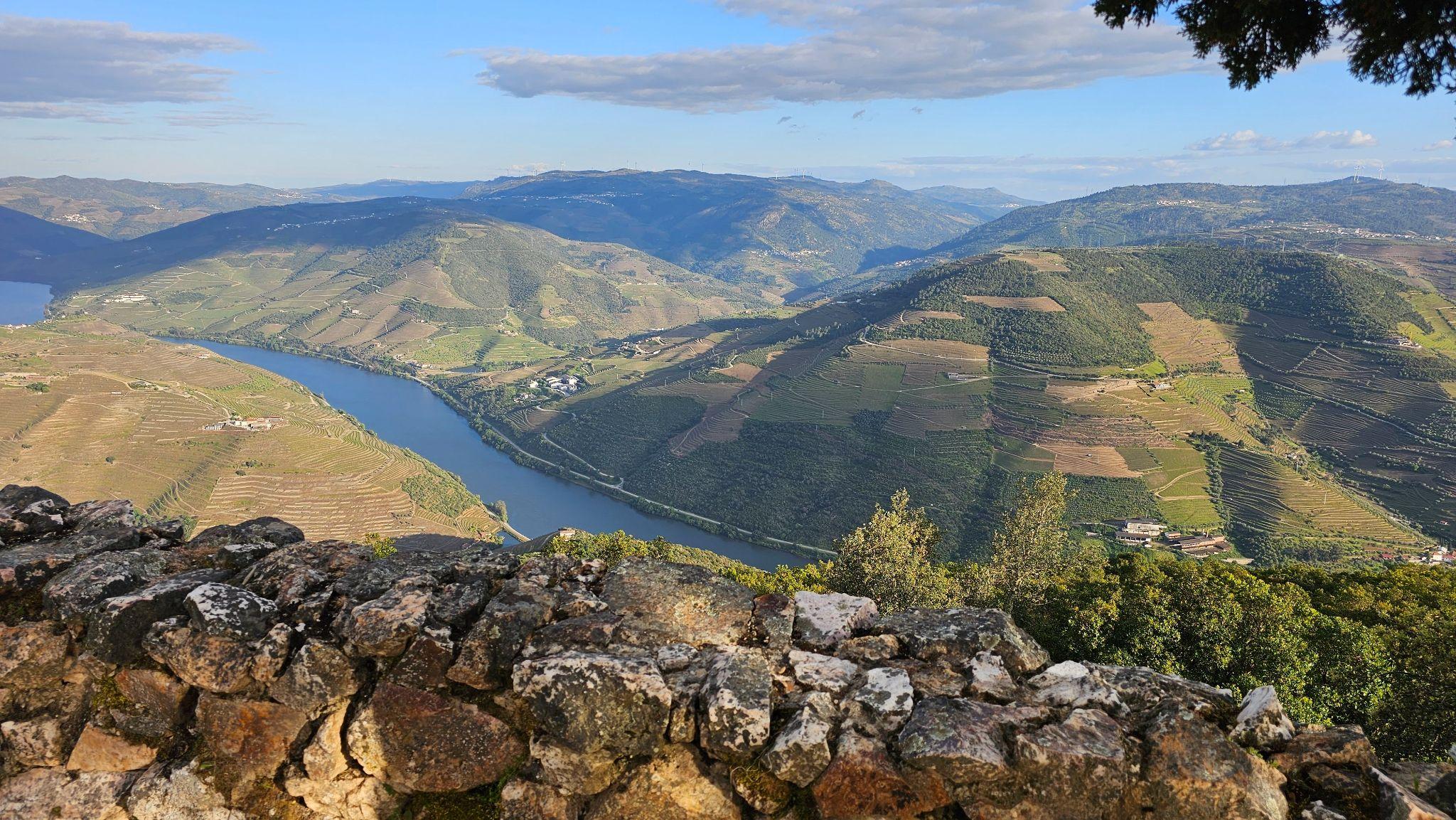
We drove to our house, which happened to be in the middle of a vineyard. We had a giant pool outdoors and lots of space to play. We also made a fire out of acorns and wood!
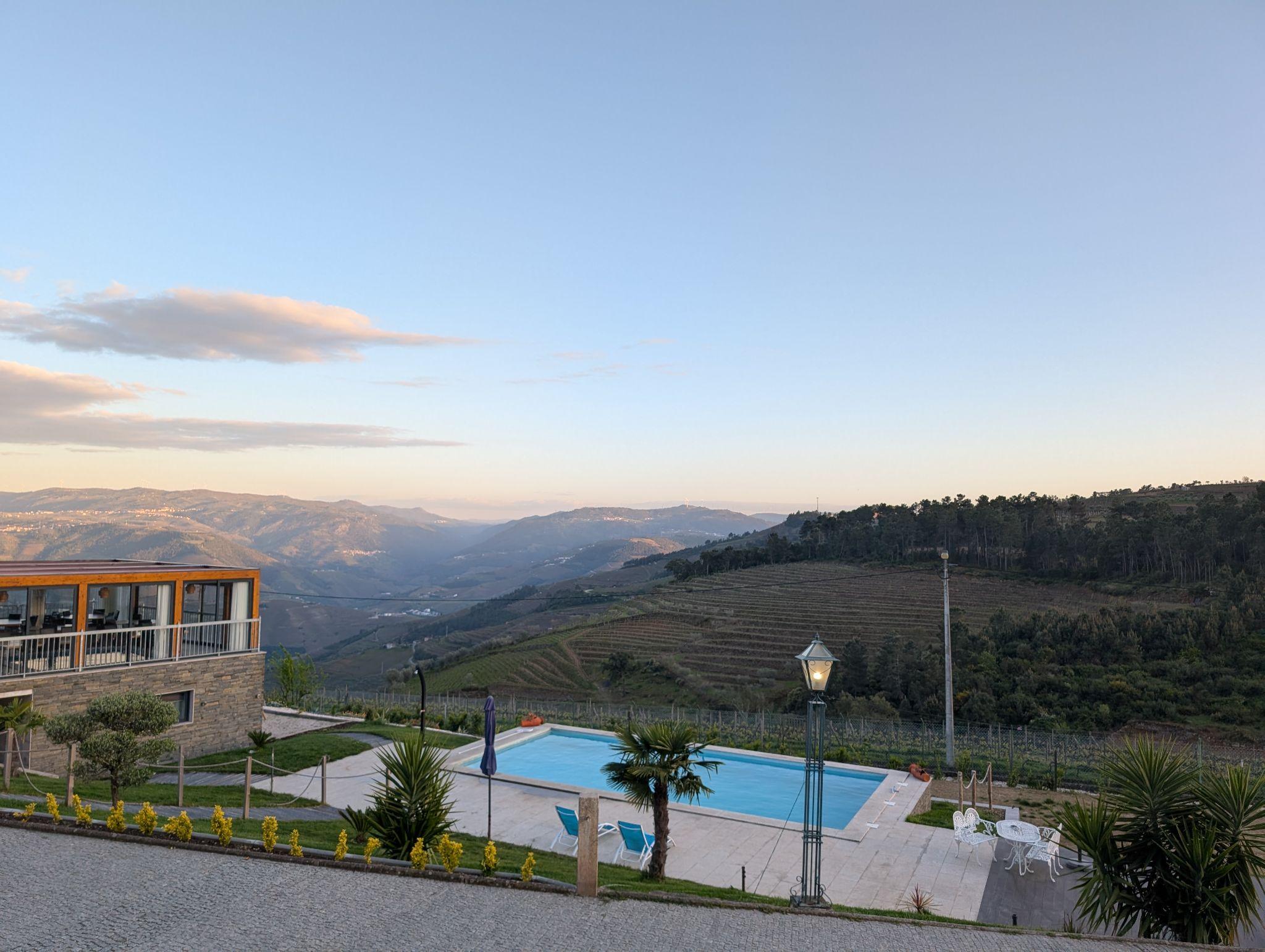
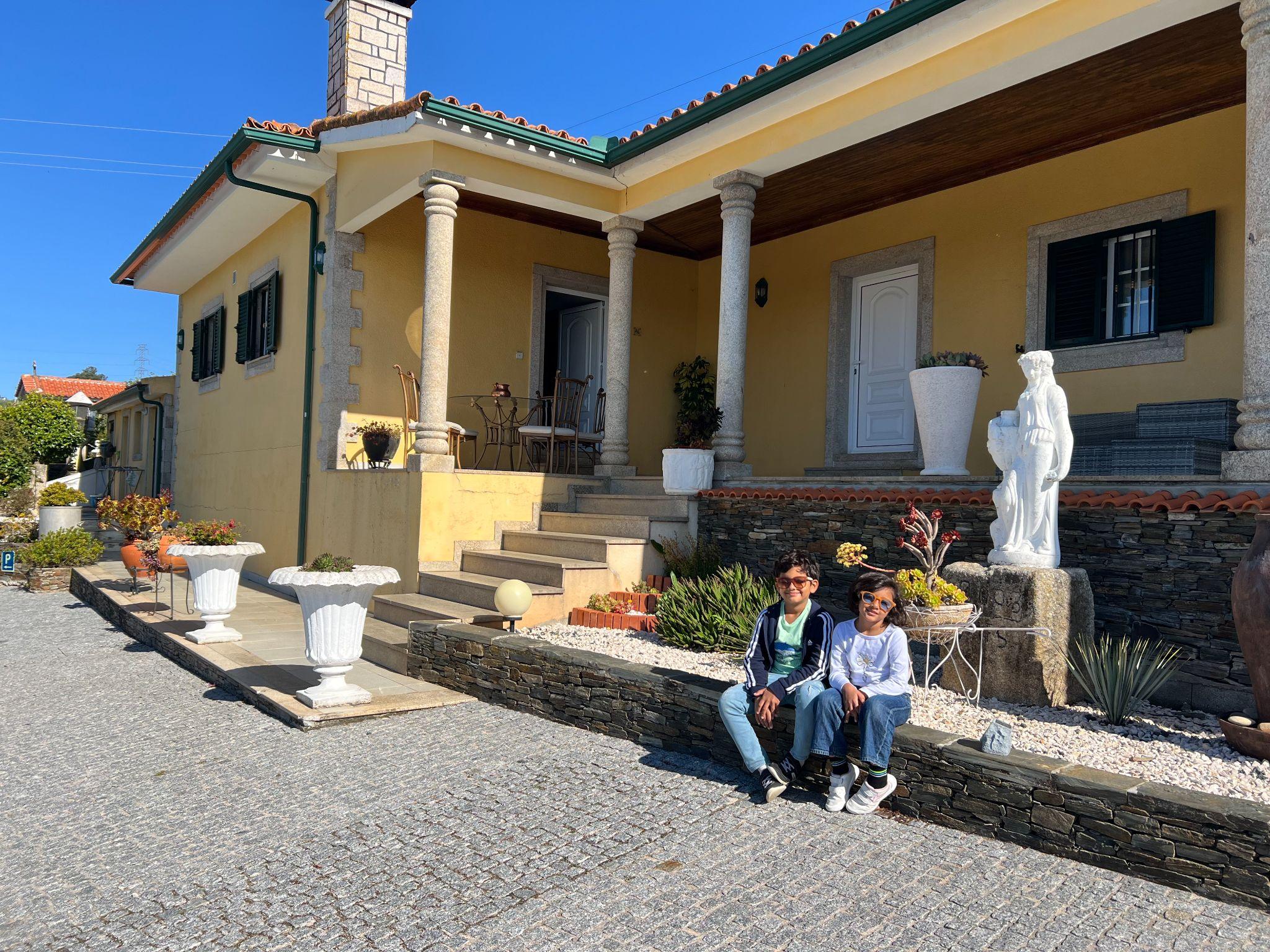
Our cousins left the next day as their school was starting soon and we were all a little sad at that. We decided to book a wine tour at a nearby winery called Quinta da Pacheca. A friendly guide showed us around the winery and told us lots of interesting facts about the place.
The Douro Valley is famous for its wine, especially Port wine, which is a sweet wine that can only be found there. The soil in Douro is very fertile, and the weather has a good mix of rainy and dry seasons. The tall hills also protect the valley from strong Atlantic winds and heavy rain, which helps the grapes grow better. Our guide first took us to the huge grape fields. They were so big that they seemed to stretch on forever, like a green ocean of plants! We weren’t allowed to touch the grapes because they had been sprayed with pesticide to protect them from insects and diseases.
Our guide also explained how climate change and rising temperatures affect the taste of the grapes. . Because fewer people are available to pick the grapes, harvesting now takes two to four weeks longer than before, making them sweeter than before.
Next, we went into the dark cellar. There were eleven huge vats for stamping grapes. People would step in, bare-footed and squash up the grapes to make wine. I was amazed at how there were so many grapes at the vineyard that they could fill eleven giant vats! There were also many wooden barrels lined up along the walls for aging wine. Some barrels were enormous, bigger than my dad and hold Ruby Port wine, red wine which only needs a short time to age. Others were much smaller and used for Tawny Port wine, which can be aged for up to 50 years! I didn’t know people would wait so long just to make wine taste perfect!
At the end of the tour, we had a wine tasting experience. Even Rebekah and I got glasses - not wine unfortunately. It was interesting to see the different colours and learn how special the Port and Ruby wines are.
After exiting the winery, we took a scenic drive around to capture views of the beautiful Douro Valley. We passed a dam and saw a boat was trying to go down from the lake behind the dam into the river, and it had to pass through locks! As each side of the dam had a different water level, they had to lower the ship from the higher side to the lower side.
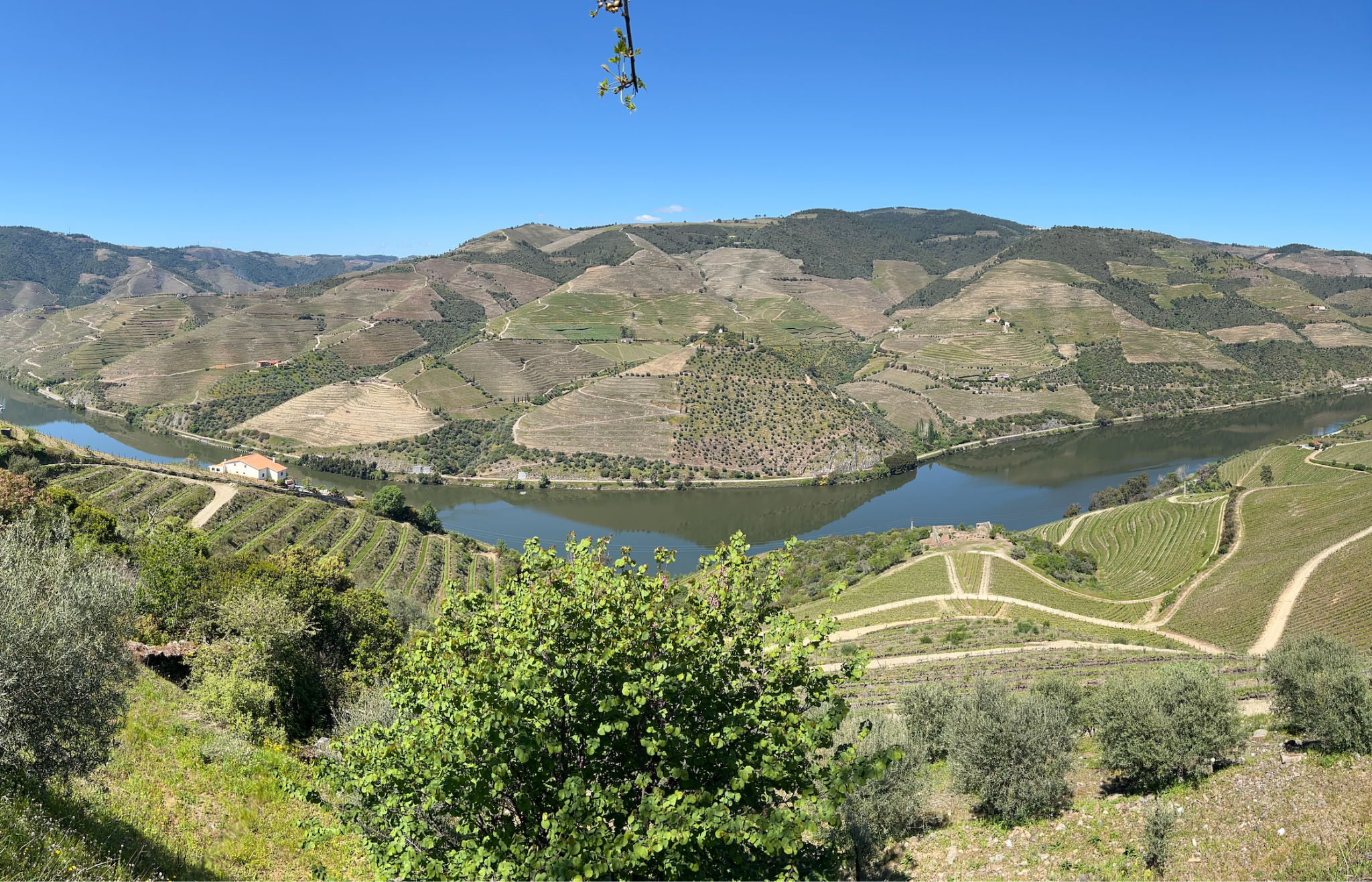
There are cruises that you can take around the Douro river, but we decided not to take one. After an afternoon of sight seeing we returned home for a relaxing evening.
Perfect Porto
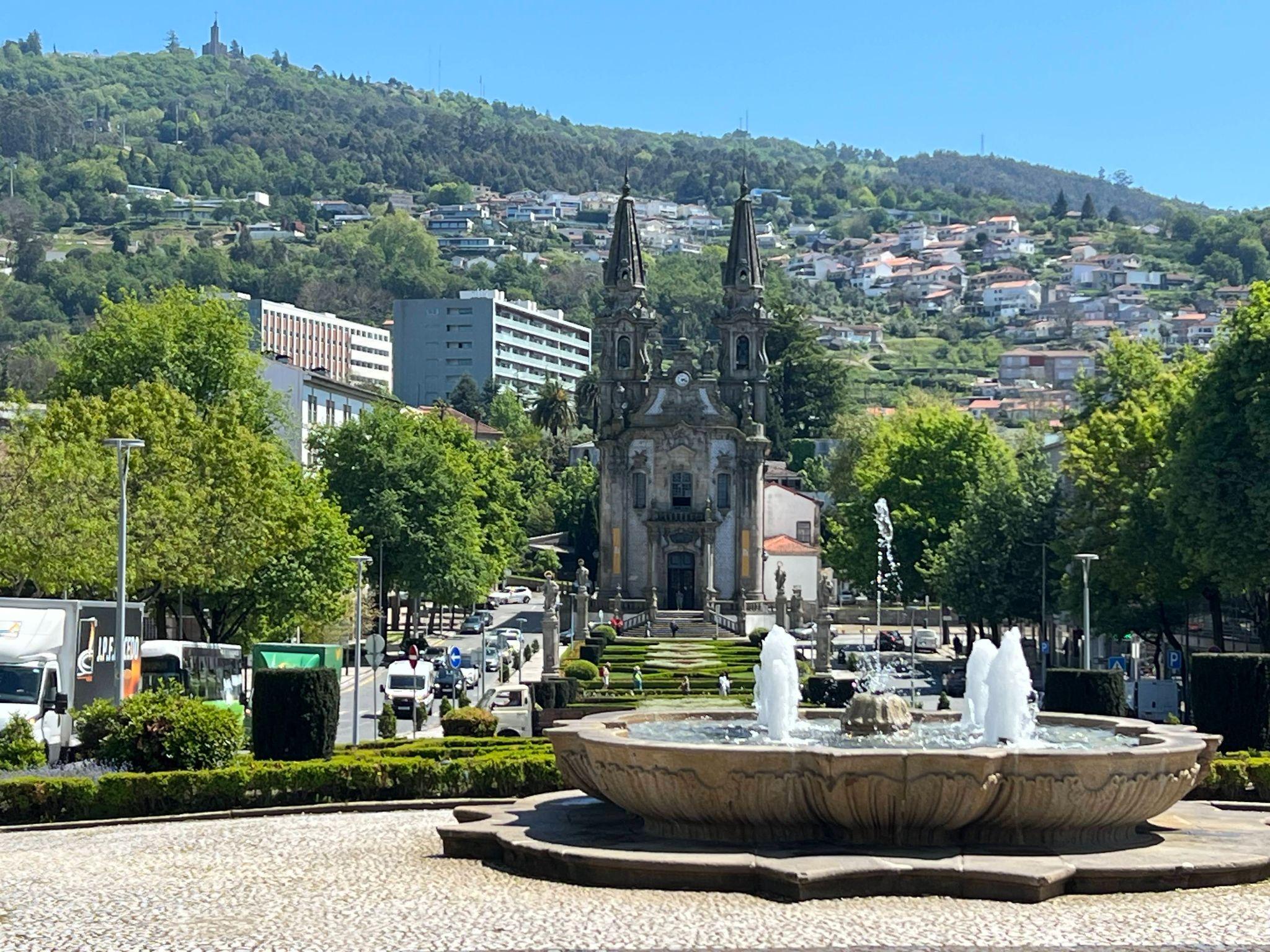
Porto is the second-largest city in Portugal and an hour away from Douro Valley. On our drive to Porto, we visited two different places. Our first stop was the small town Guimarães, just north of Douro. Guimarães is deeply connected to the roots of Portugal, in fact, it’s known for being the birthplace of the first king of Portugal, Alfonso Henrique.
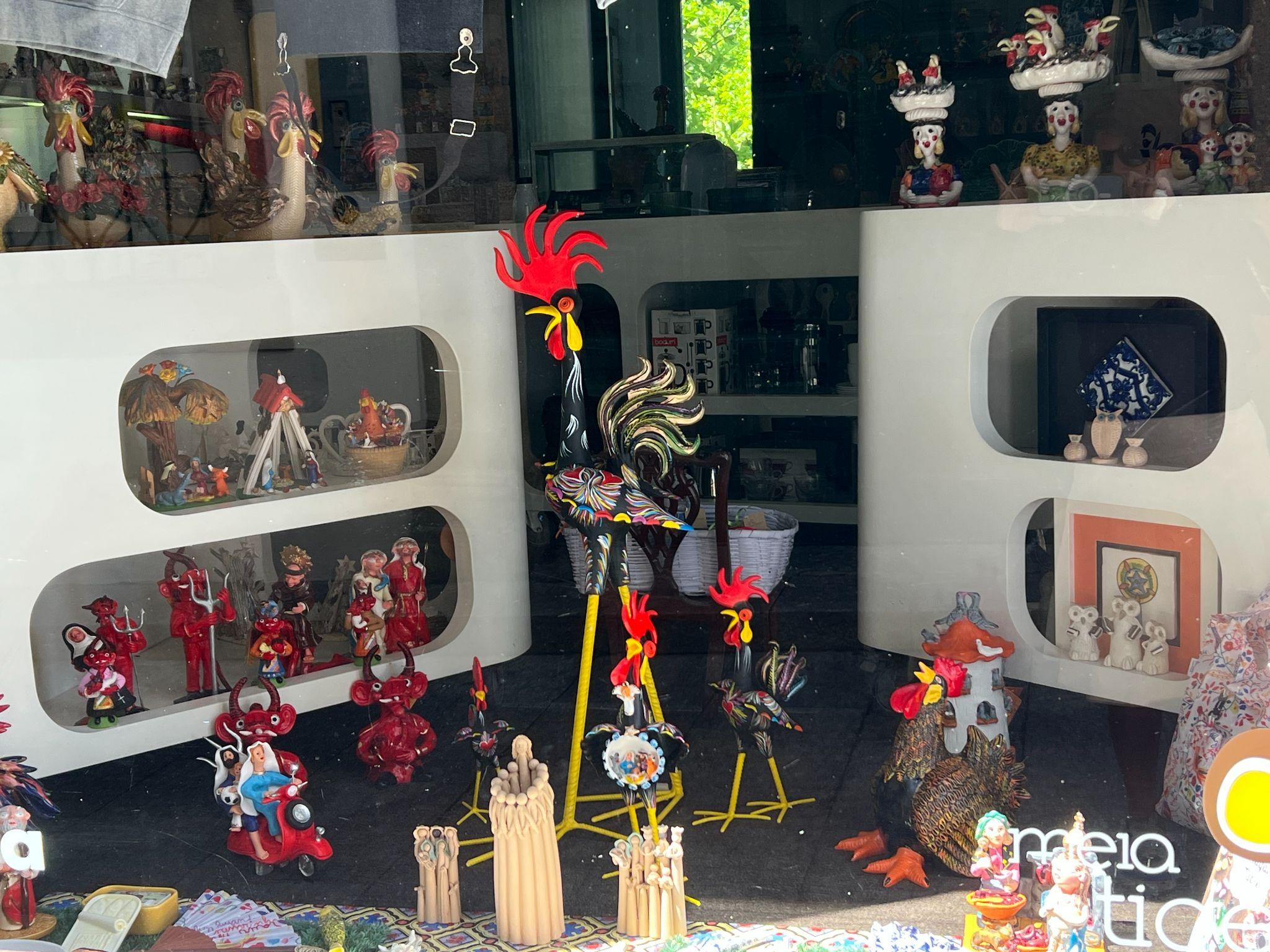
While walking around the town, I noticed many rooster souvenirs inside shops. Roosters are a lucky symbol in Portugal because of a Portuguese tale about an innocent man that was sentenced to death. He said to the judge that if the dead rooster on the judge’s plate stood up and began to crow, it would prove his innocence. Later in the evening, as the judge was about to eat his meal, the rooster stood up and began to crow, thus saving the man’s life.
The main attraction in Guimarães is the castle of Guimarães which stands on a tall hill facing the city. The place looked like a fort with its tall walls. There are eight towers and a pentagon shaped building. The view from the top is spectacular, showing the whole town of Guimares below.
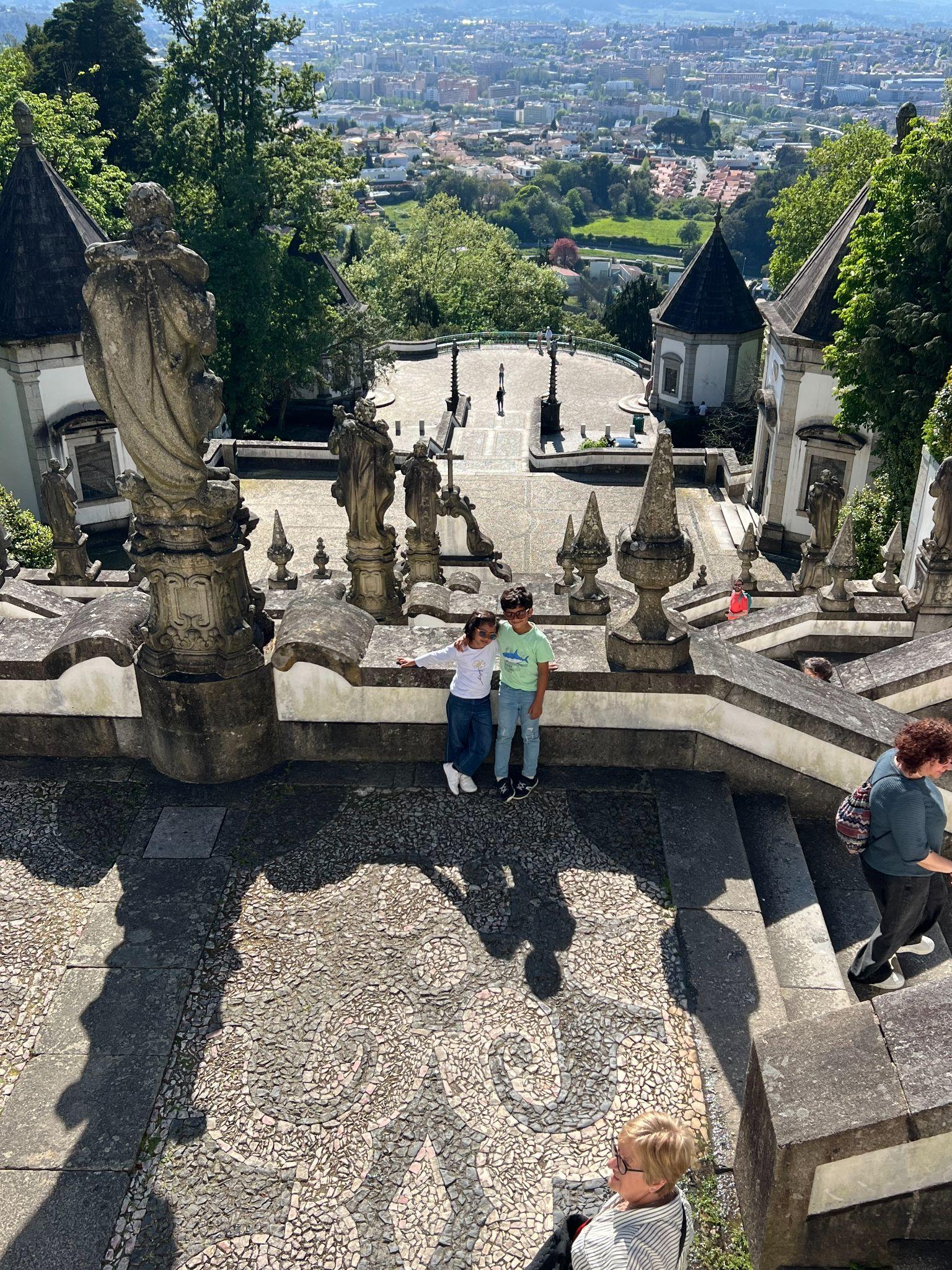
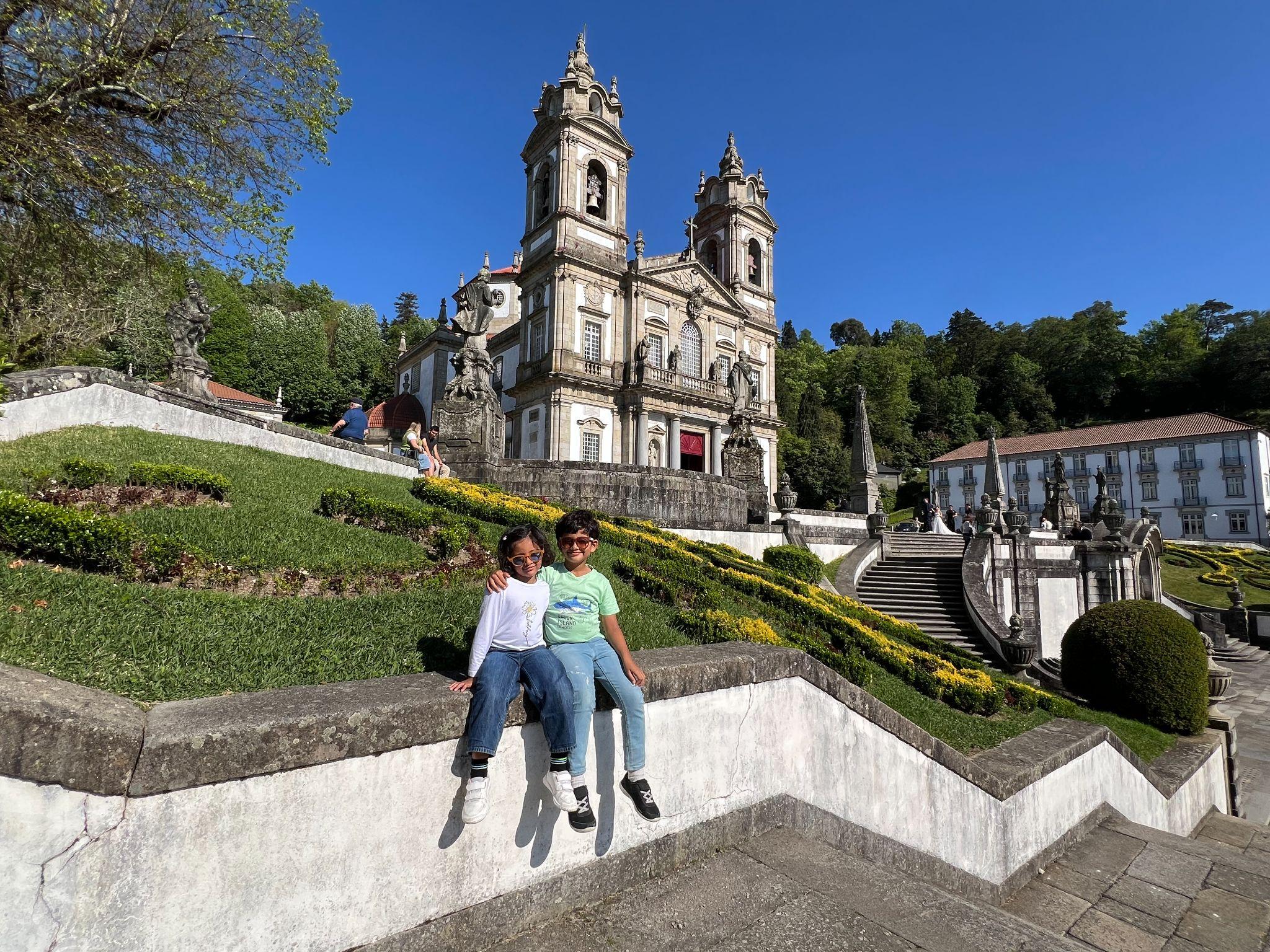
Our next stop was a town called Braga. Its famous Bom Jesus church sits high up on a hill with 577 steps leading all the way to the top. You can take a funicular train up the slope too. The stairs were built in a special zigzag shape, and along the way there were many statues watching over us as we climbed. From the top , we could see the whole town of Braga spread out far below us. The church was very tall, with two towers that looked like twins. Inside, the walls were filled with colourful murals and beautifully carved decorations that add to the splendour of the church.
After climbing back down the stairs, we drove to our house in Porto for the night. A city house, it was small, but super comfy. We also had a balcony, overlooking the neighbouring shops and landmarks which we would visit. For dinner, we had Bacalhau which is a Portuguese dish made of dried and salted cod.
The next day, we woke up early for a long walk around Porto. Rebekah was complaining a lot as she dislikes city walking.
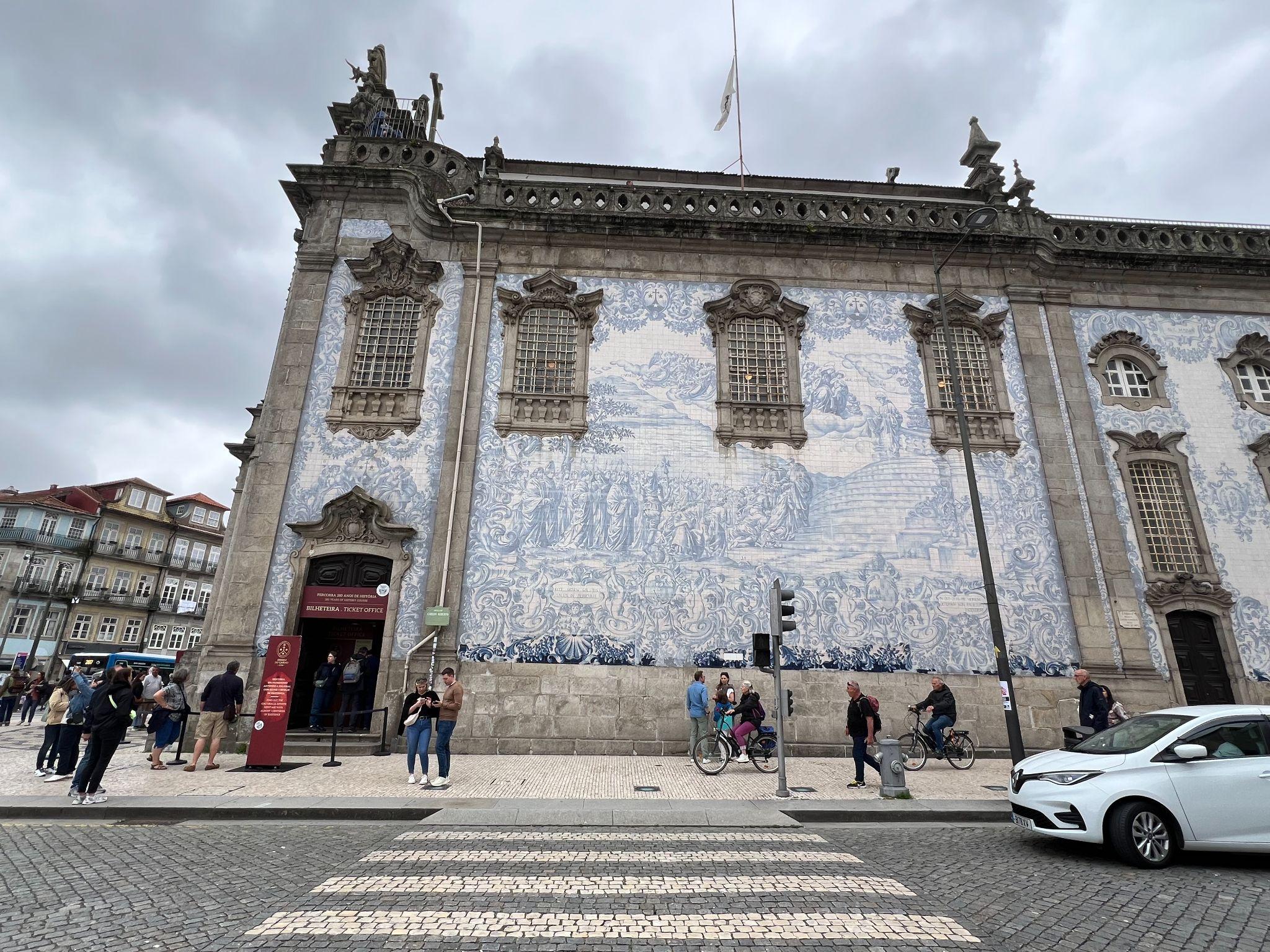
We started at the Igreja do Carmo, one of the many churches in Porto. What was really cool about this church was that the walls were covered in blue painted tiles. It looked like the full place was made out of China. This kind of tile art is called Azulejos and is very common in Portugal. We could see it everywhere we went, even the floor! Some of the tiles were covered under a large sheet of paper for restoration.
Our next stop was the Clérigos Tower, a tall bell tower with a clock in the middle, towering over all the buildings in Porto. We also passed the Portuguese Centre of Photography, and the São Bento train station. Like the Carmo church, the place was covered in Azulejos tile art but with much cooler pictures like soldiers on horses and in battle, and various farm animals and crop fields showing farmlife in Portugal.
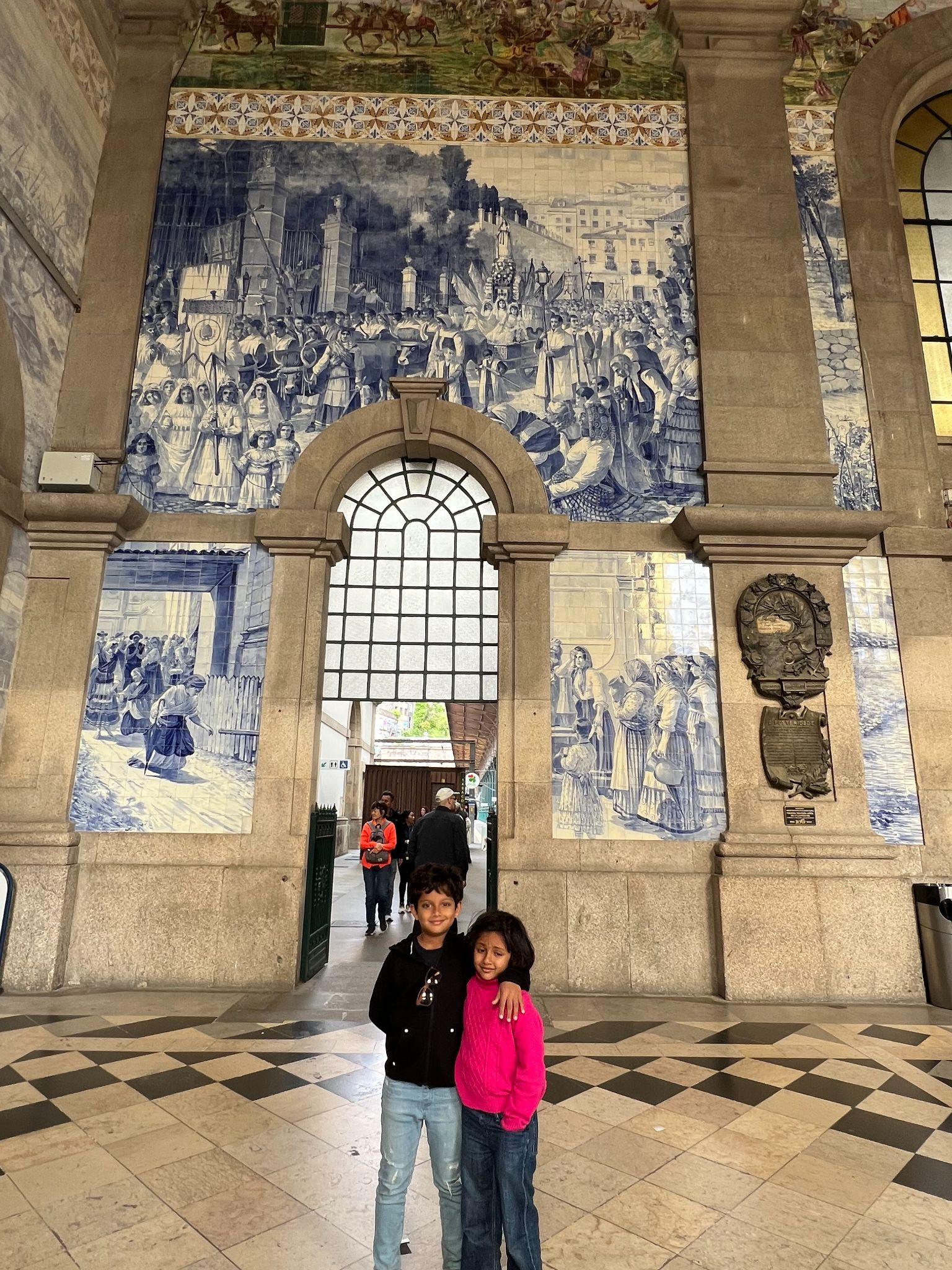
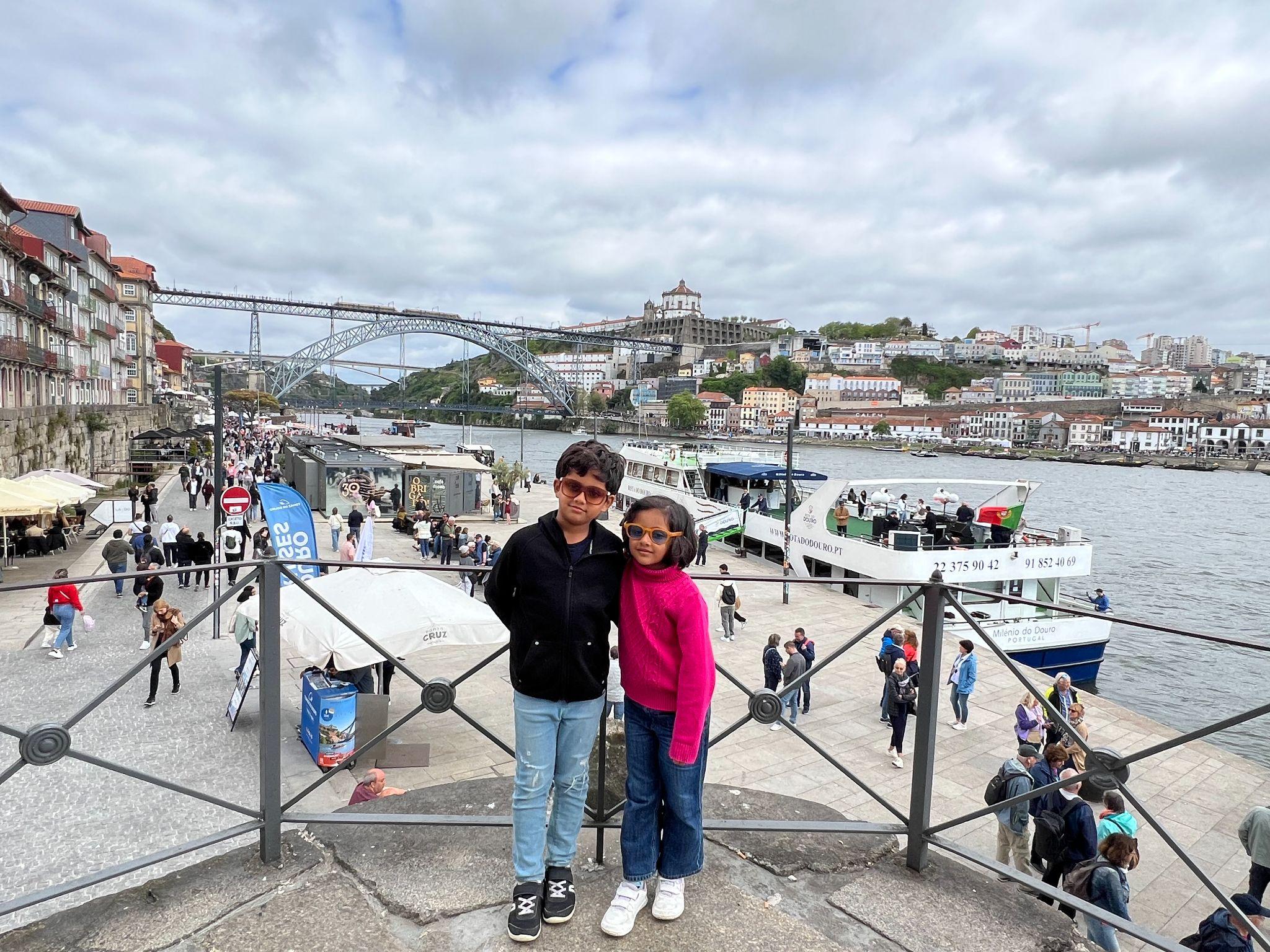
Next, we wandered down to the Ribeira, Porto’s lively riverfront. My dad paused to look up the name of the river, and to our surprise, it was the Douro River—the very same one that we saw in Douro Valley! I didn’t know it stretched on for so long!
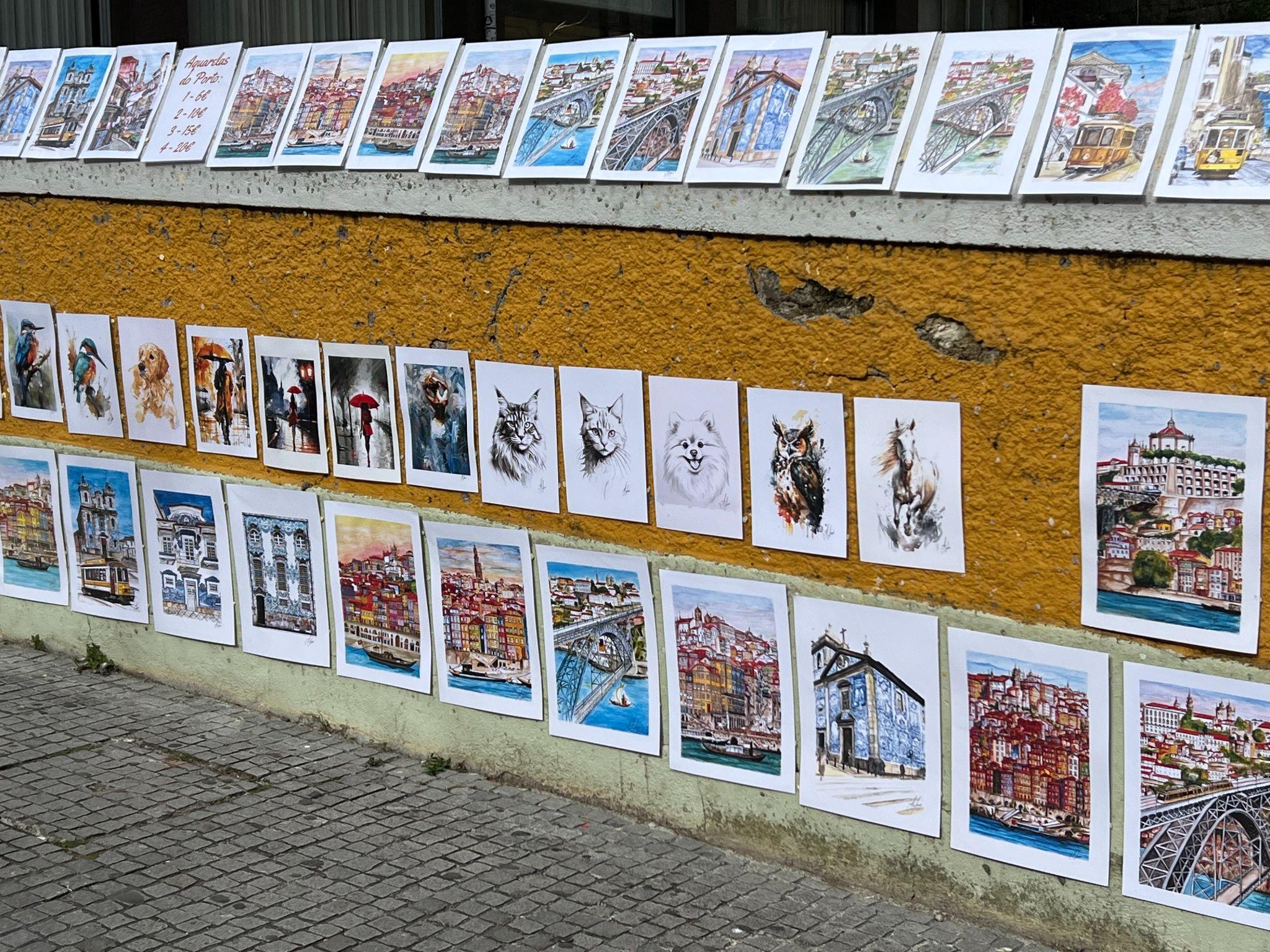
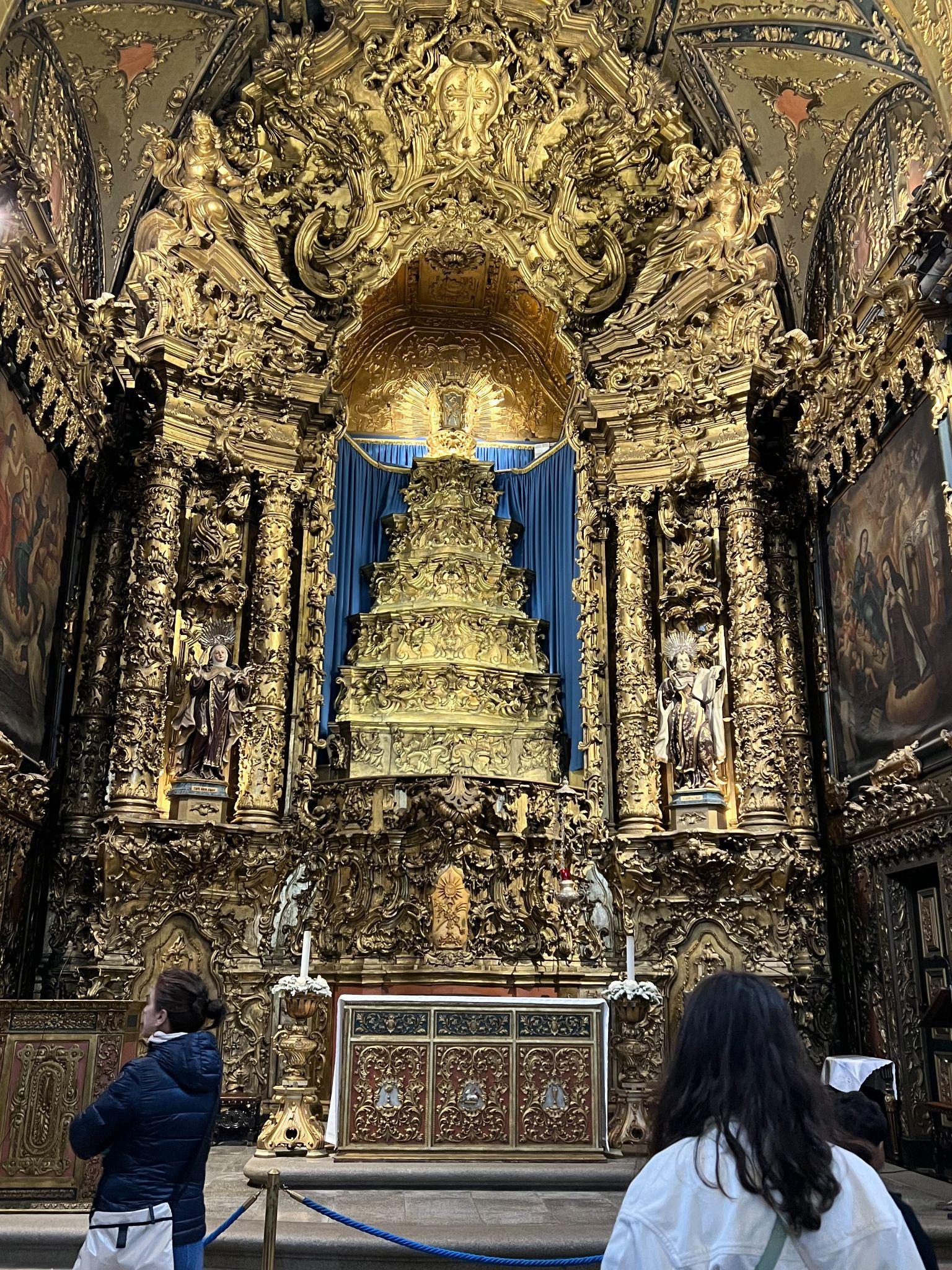
The Ribeira was alive with energy: bustling markets, small boats bobbing along the water, and magnificent bridges stretching across the river. We visited the nearby Sao Francisco church famous for having nearly 500 kilograms of gold that covered the walls from floor to ceiling.
After leaving, we strolled alongside the river and came across a bridge called Ponte de Luis, one of the four long bridges of the Ribeira. It had an impressive arch that held up the top of the bridge. We climbed to the top of the bridge and there were train tracks in the middle. Every time a train was approaching, there would be a honk and everyone would clear out of the way to let the train pass.
By the bridge, there was a break dance performance going on - my first time seeing this. All the moves looked so cool - backflips, cartwheels and super high jumps.
We decided to take a funicular and stairs to a higher part of the city to see the Muralha Fernandina, a fort built to protect Porto from potential attacks in medieval times. The climb was super tiring but the view was worth it, showing the town of Porto and the Atlantic ocean in the background.
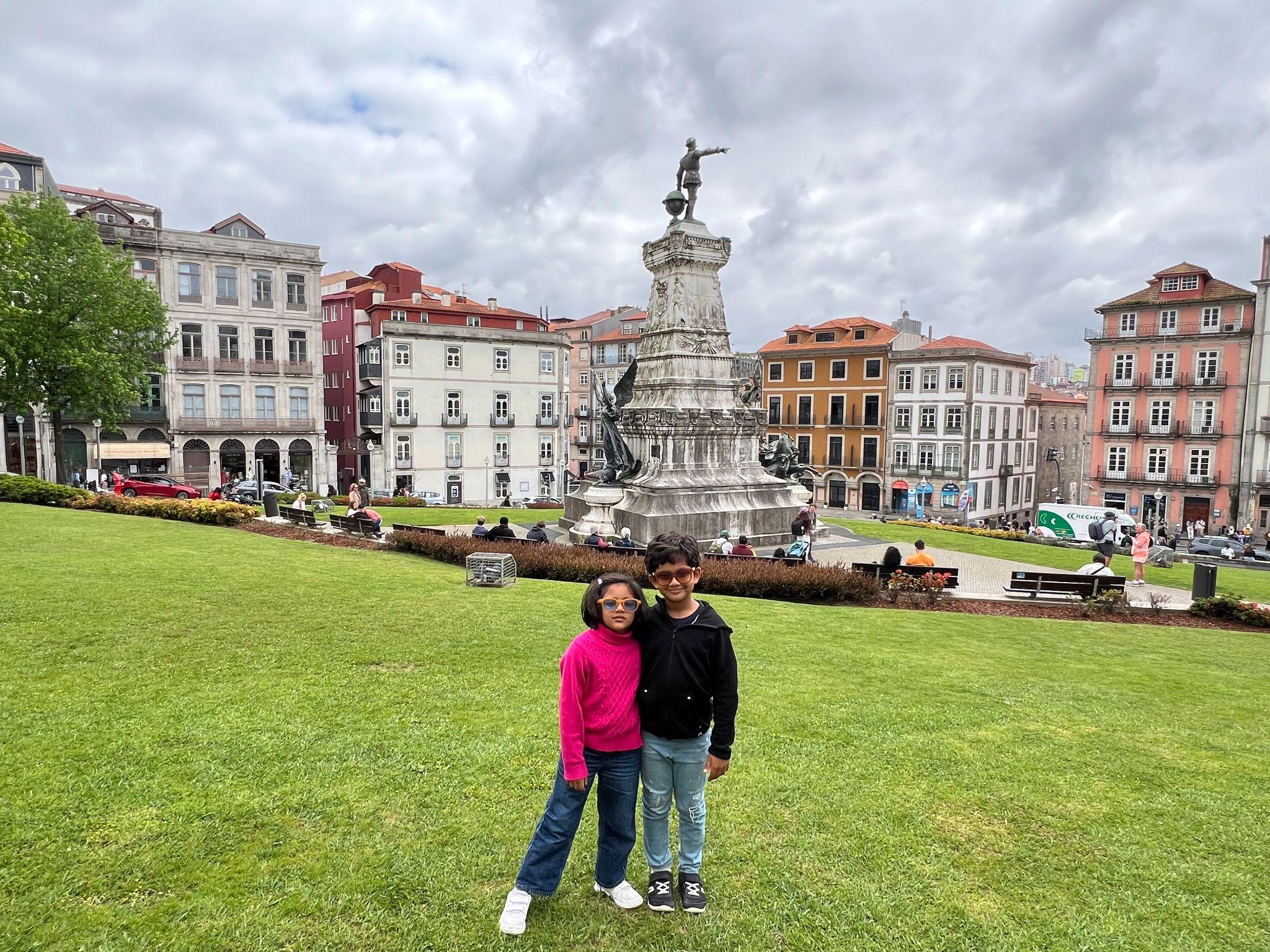
After climbing down, we visited the Sé Cathedral. The Cathedral looks more like a fort from the outside with its square shaped towers and brick layout. There was a special activity going on where all the couples were getting blessed.
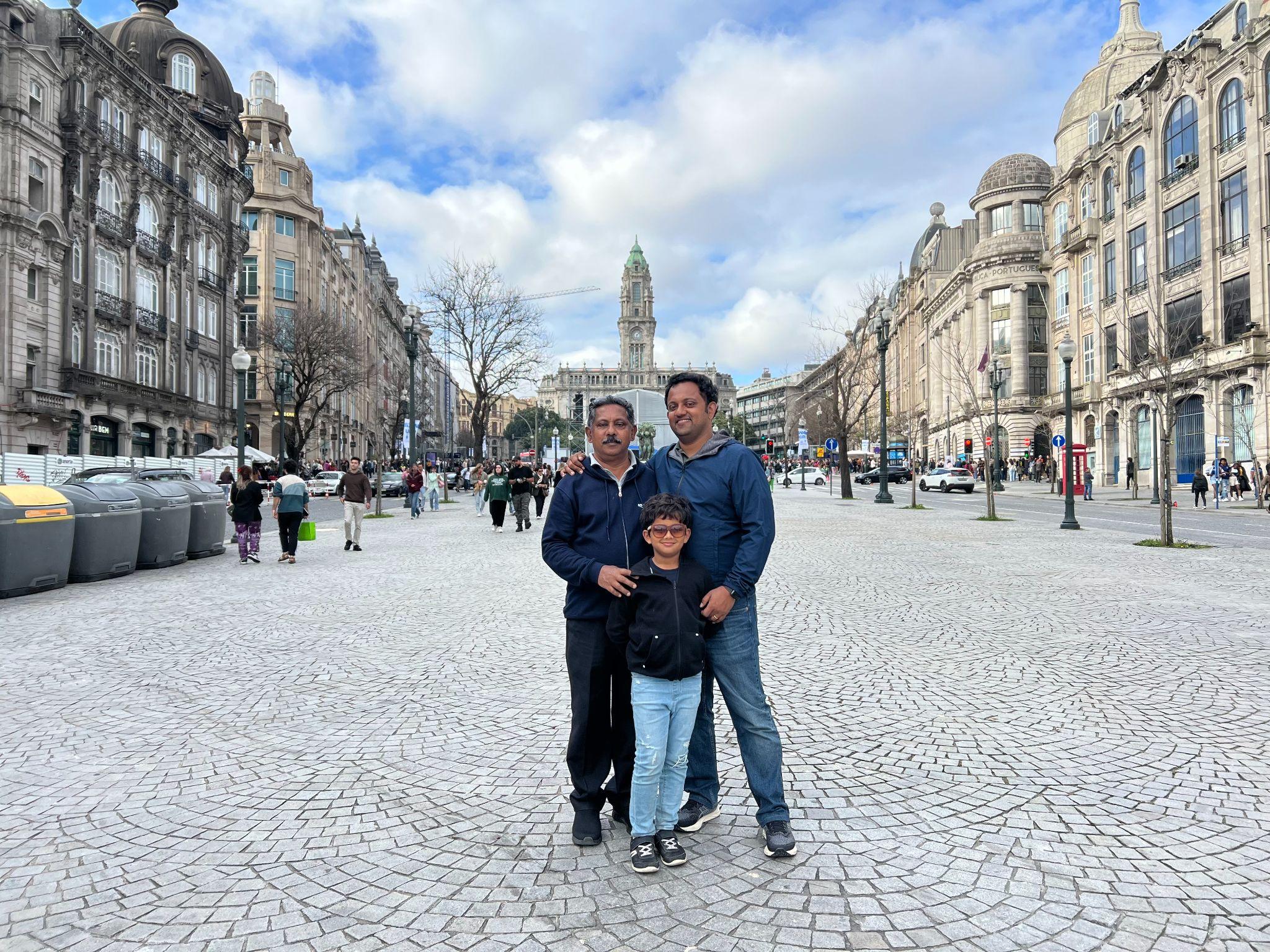
We finished at the Avenida dos Aliados, one of the main avenues in Porto, home to many important buildings such as the City Hall and the bank. There was a huge celebration going on as it was Freedom day in Portugal. There were singers up on stage with musicians and a large crowd of people singing and dancing along.
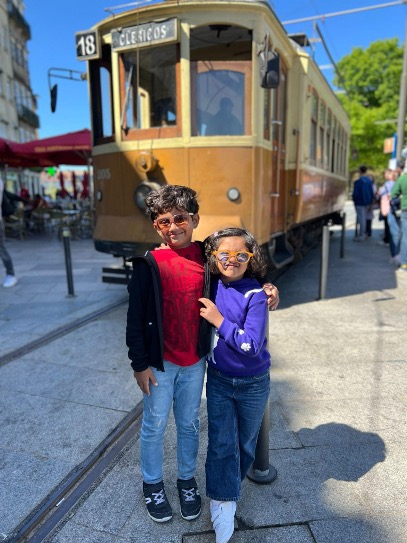
The next day, we woke up early to go to the seaside. The Atlantic Ocean was really wild, and the huge waves were smashing into the rocks. It looked a little scary, so we didn’t go too close and watched it from far away. Then we took a fun tram ride by the ocean on the famous Tram No. 1, known for its drive through Porto’s historic centre. The water was bright blue behind us, and we could see all the places we had walked past the day before.
By now, it was afternoon so we hurried to the airport to catch our flight to Barcelona where we would be spending the night before going back to Singapore in the morning.
Overall, Spain and Portugal are lovely countries and I would really miss them. Some of my favourite places this trip were Alhambra and Douro Valley. I loved Alhambra as it was a huge place with lots of different palaces and types of architecture. I also liked Douro because of its beautiful scenery. The rolling hills, the winding river and lush greenery are things that I’ll never forget. Spanish and Portuguese food is great. I really enjoyed the cheesy croquettes and creamy egg tarts. Spain and Portugal were wonderful stays for us and I really look forward to coming back to these places.